


ENCOUNTER WITH ORANGUTANS MERYL AND LYKKE
Post-release monitoring allows us to observe orangutans in the wild. Recent sightings of Meryl and Lykke in TNBBBR show both female orangutans actively foraging and displaying excellent nest-building skills.


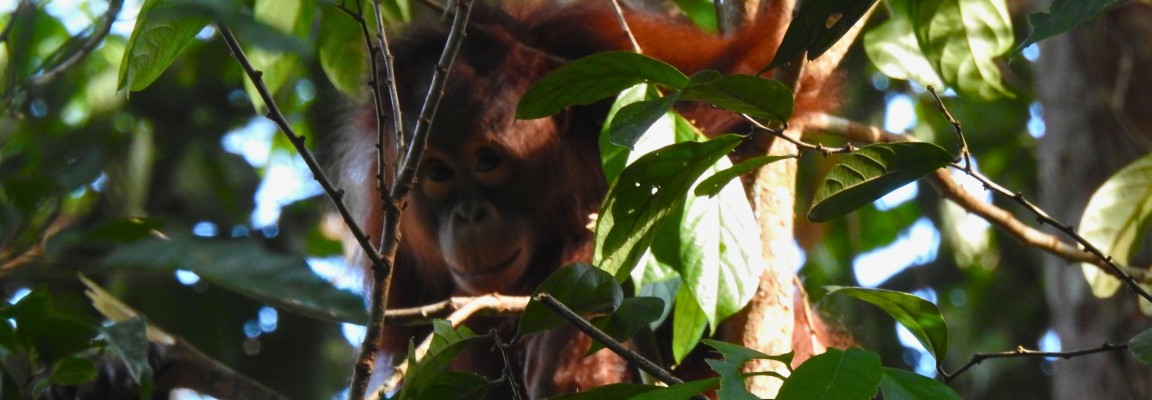
Just like humans, orangutans go through various life stages: from infancy and childhood to adolescence and adulthood. Each phase is marked by distinct characteristics and behavioural changes. Adolescence is one of the most fascinating stages, as orangutans begin learning how to live independently, gradually separating from their mothers and exploring the forest on their own.
In Bukit Batikap Protection Forest, Central Kalimantan, our Post-Release Monitoring (PRM) team has observed a particularly outstanding teenage orangutan. This young individual is the third offspring of Inung also Indro's older sibling, a long-term resident female orangutan in the forest. Based on observations, Indie is estimated to be around 6 years old. A critical age when orangutans begin developing their independence.
Read also: AGIS BRINGS GOOD NEWS FROM THE FORESTS OF TNBBBR
With a still-small body size, Indie is incredibly agile, swiftly moving between tree branches. The PRM team often finds it challenging to track her in the dense canopy due to her speed. To monitor his behaviour more effectively, they frequently rely on binoculars and camera equipment.
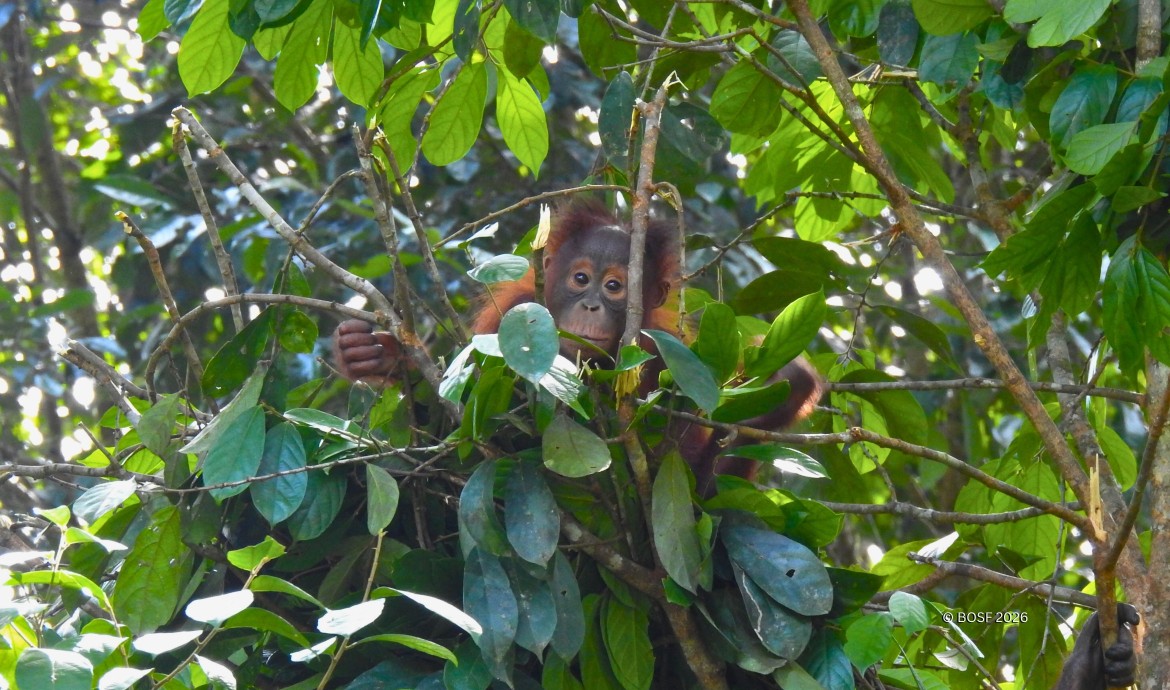
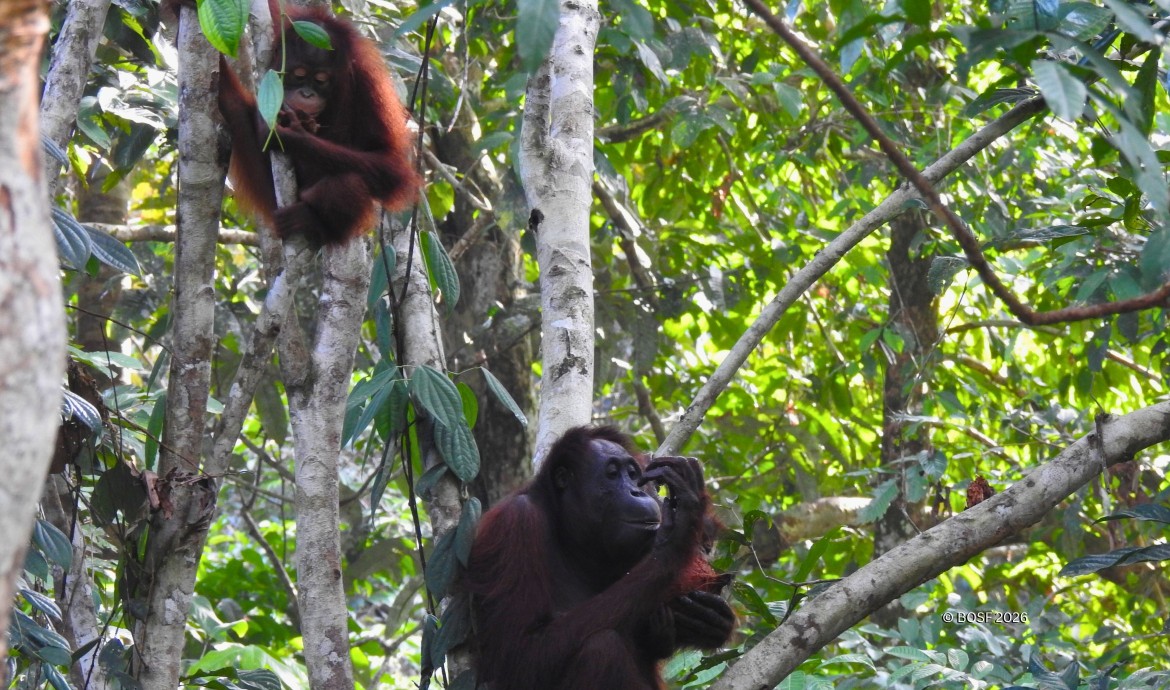
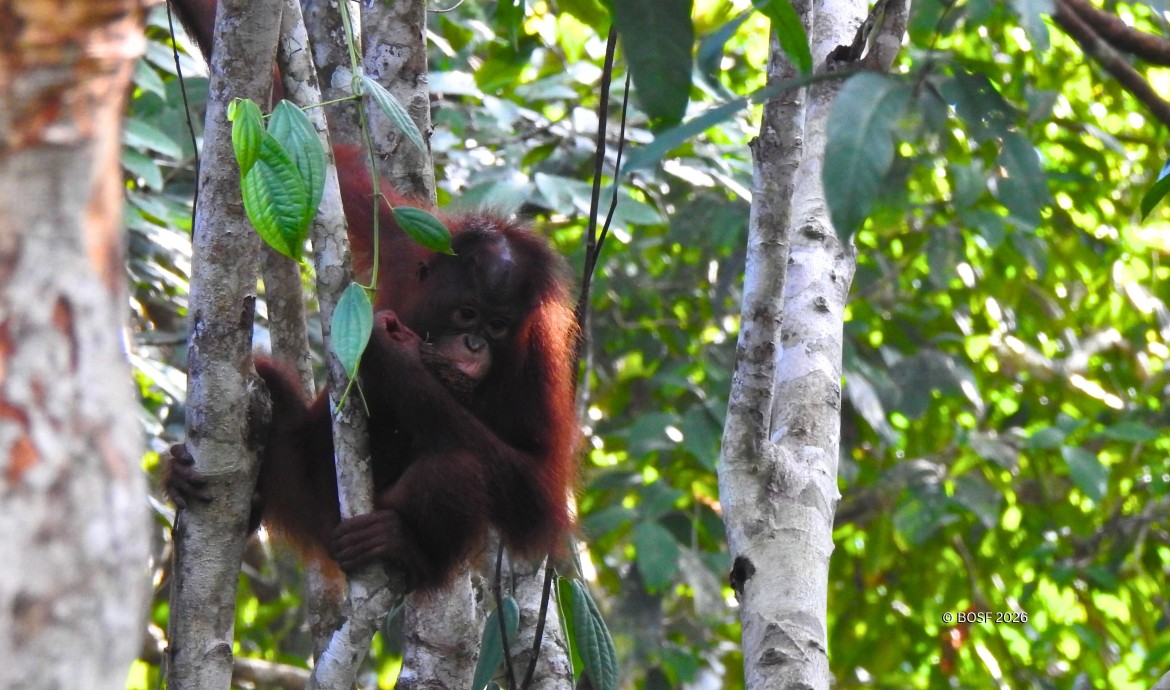
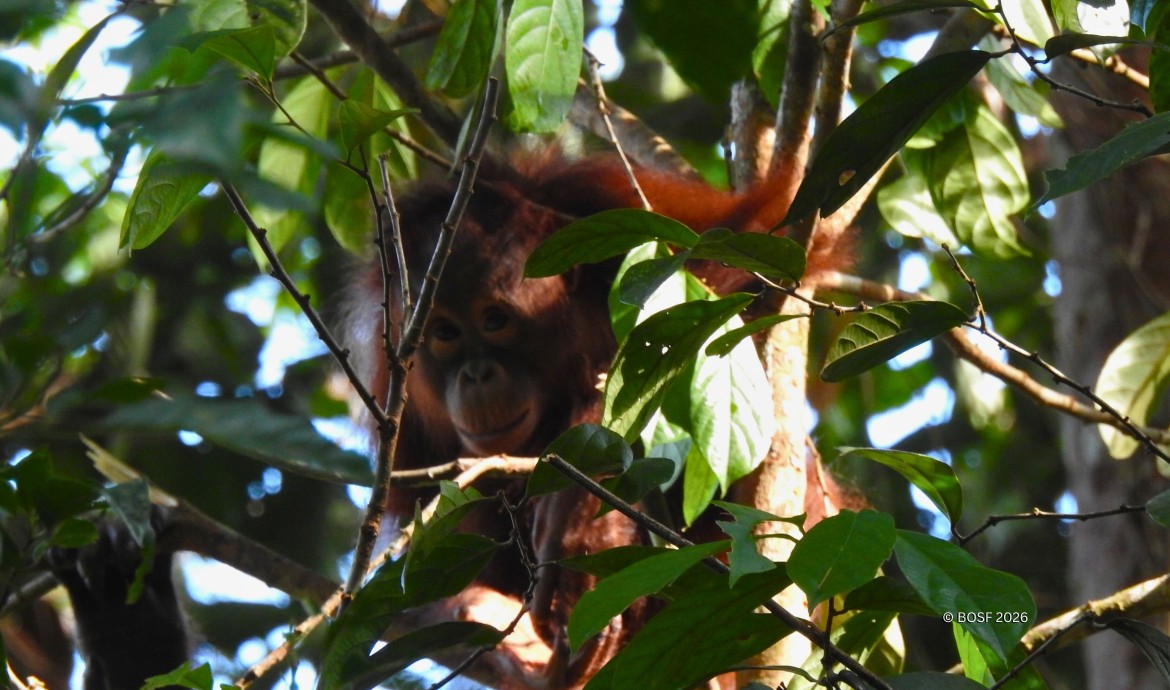
Various natural behaviours have been recorded during observation. The orangutan eagerly feeds on young leaves, flowers, and even tree bark. She also travels between trees using all four limbs to swing and climb with demonstrating classic orangutan arboreal skills. At one interesting moment, Indie also slept separately from Inung and made a nest close to her mother and brother.
Read also: A NEW LIFE IN THE BATIKAP FOREST
As a wild-born individual, this adolescent orangutan exhibits completely natural behaviours. She has learned everything directly from her mother, Inung, and her surrounding environment. There has been no human intervention in her upbringing, allowing her to develop survival skills instinctively and authentically within his natural habitat.
The presence of this young orangutan is a hopeful symbol for conservation. It proves that when forests are protected and habitats remain intact, orangutans can grow up healthy, learn naturally, and give rise to a new generation of resilient wild individuals. Every movement she makes in the treetops reflects a future made possible by conservation. A future where humans and nature coexist in balance.


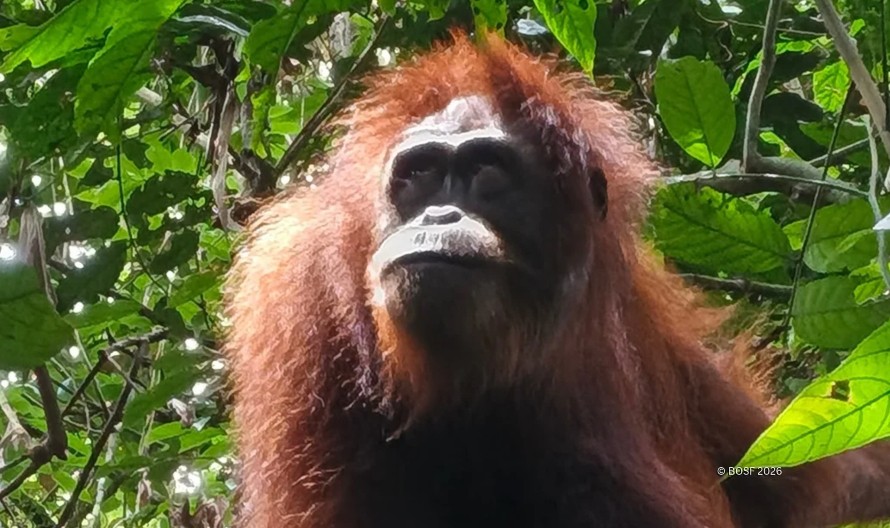
Post-release monitoring allows us to observe orangutans in the wild. Recent sightings of Meryl and Lykke in TNBBBR show both female orangutans actively foraging and displaying excellent nest-building skills.
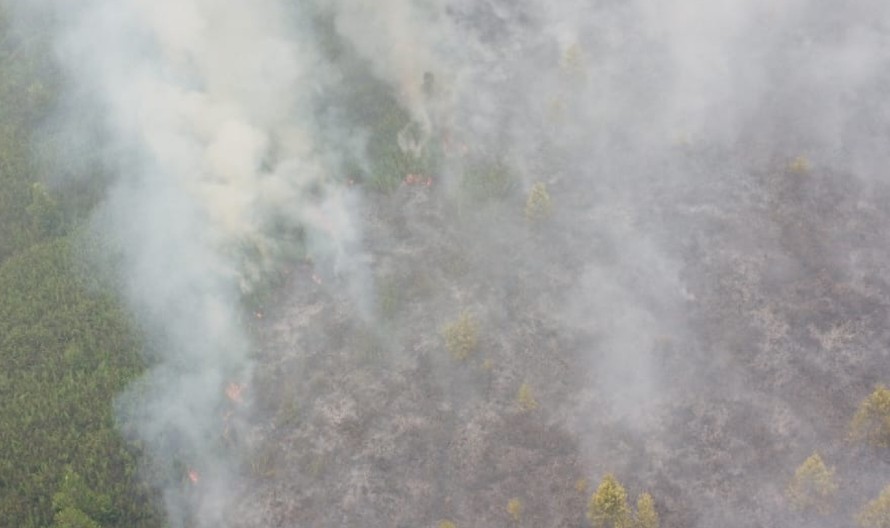
Forest fires create a hidden crisis for wildlife. Beyond destroying habitats, smoke exposure threatens orangutans' health, restricts food and water, and violates core animal welfare principles across Kalimantan's ecosystems.
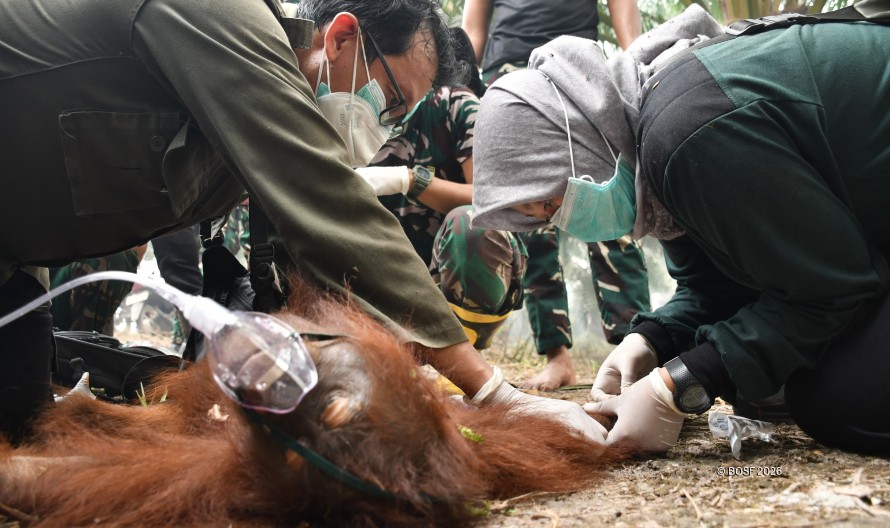
When forest fires strike, orangutans face a deadly fight for survival. Trapped atop a burning tree in Central Kalimantan, baby orangutan Novita was rescued through a joint emergency effort by BKSDA, BOS Foundation, TNI AD, and local residents.
