


ROAD PAVING IN SAMBOJA LESTARI
The BOS Foundation feels that to improve the quality of care for animals at the rehabilitation centres, supporting infrastructure ensuring the smooth delivery of food and supplies is essential.


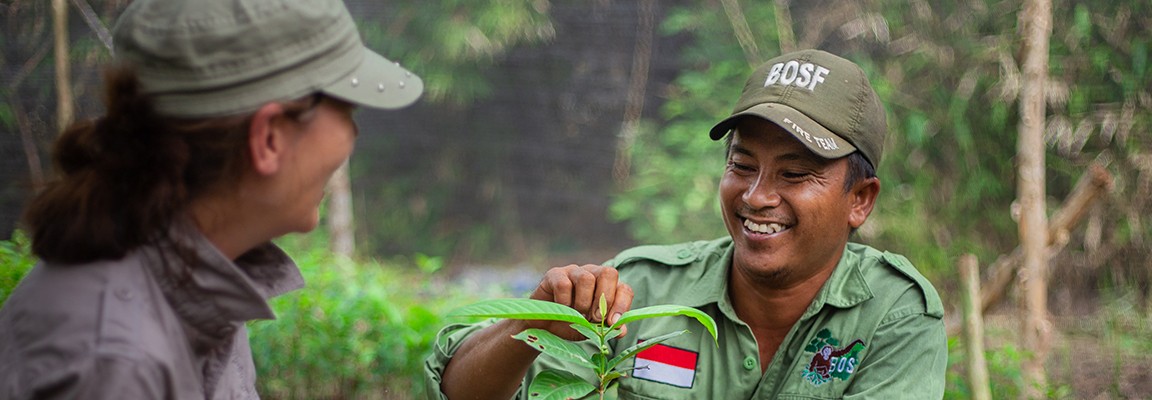
The Mawas Conservation Program is a proven model for large-scale forest restoration. With our project partner Weleda, our teams on the ground are actively assisting in the management of 309,000 hectares of peatland to reduce the risk of forest fires, strengthen the local communities, and protect habitat for the Bornean Orangutan.
The 309,000 hectare Mawas Conservation Area in Central Kalimantan is one of the BOS Foundation’s key program sites on the island of Borneo. The history of the site is one of the most devastating examples of a failed, large-scale rice cultivation project.
Today, the area is home to one of the largest Bornean orangutan populations in the world, composed of approximately 2,550 wild orangutans. The peatland on which it sits is a globally significant store of carbon.
Since 2006, the BOS Foundation has been working in partnership with local communities and the local government to lead a major restoration program for this heavily degraded forest area. Also, in collaboration with support of university scientists, the Tuanan Research Station carries out ground-breaking research in the fields of wild orangutan behaviour and peatland ecology.
EVOLVING PARTNERSHIP
In 2019, Weleda, a leading manufacturer of organic cosmetics and pharmaceuticals, in partnership with BOS Germany, joined the BOS Foundation efforts in supporting orangutan and habitat conservation in the Mawas Conservation Area. The collaboration represents a multi-faceted project, combining approaches that include community empowerment, reforestation, peat restoration, forest fire management, and biodiversity monitoring, among other activities.
NEW ORANGUTAN HABITAT
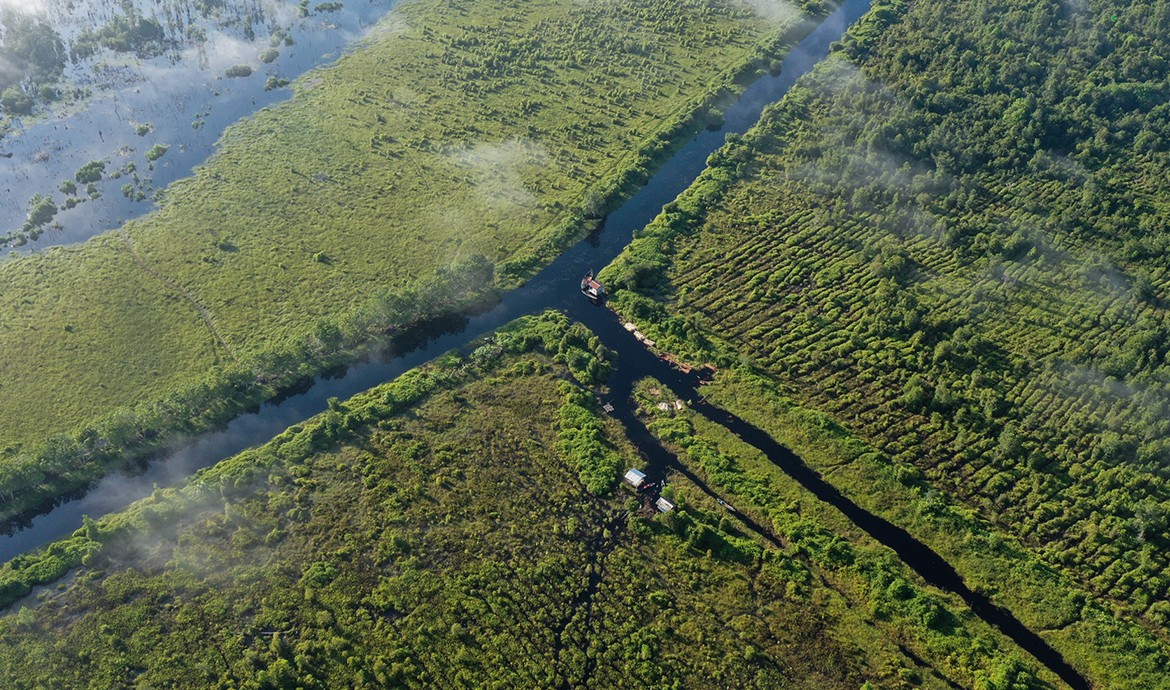
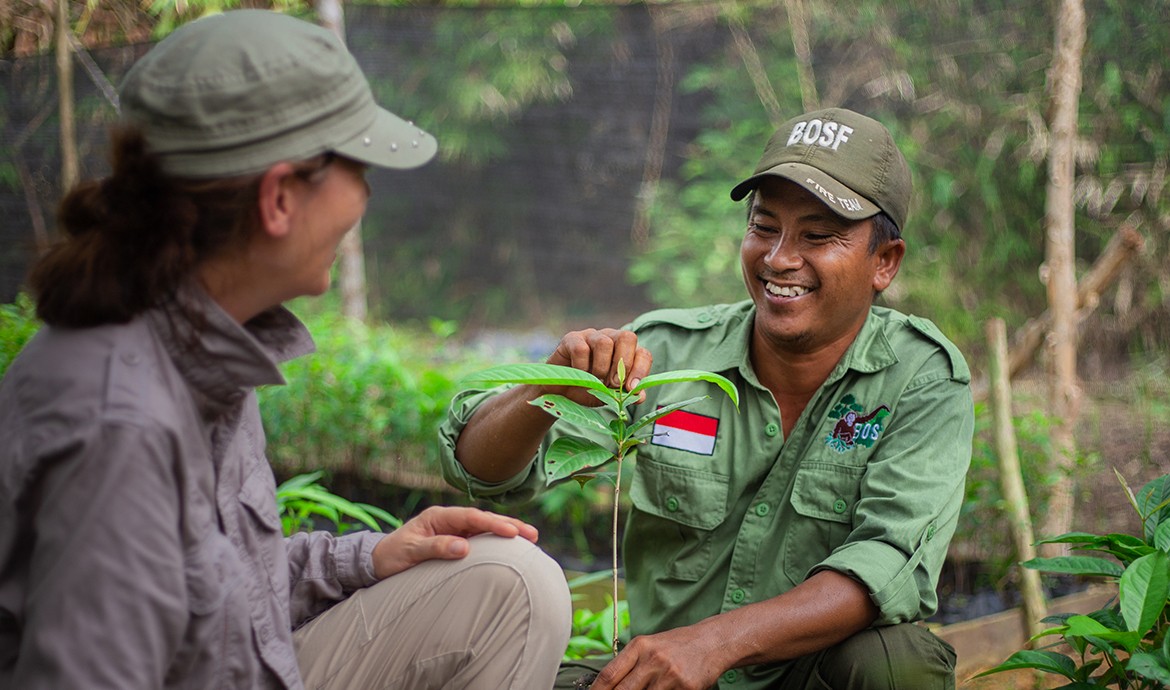
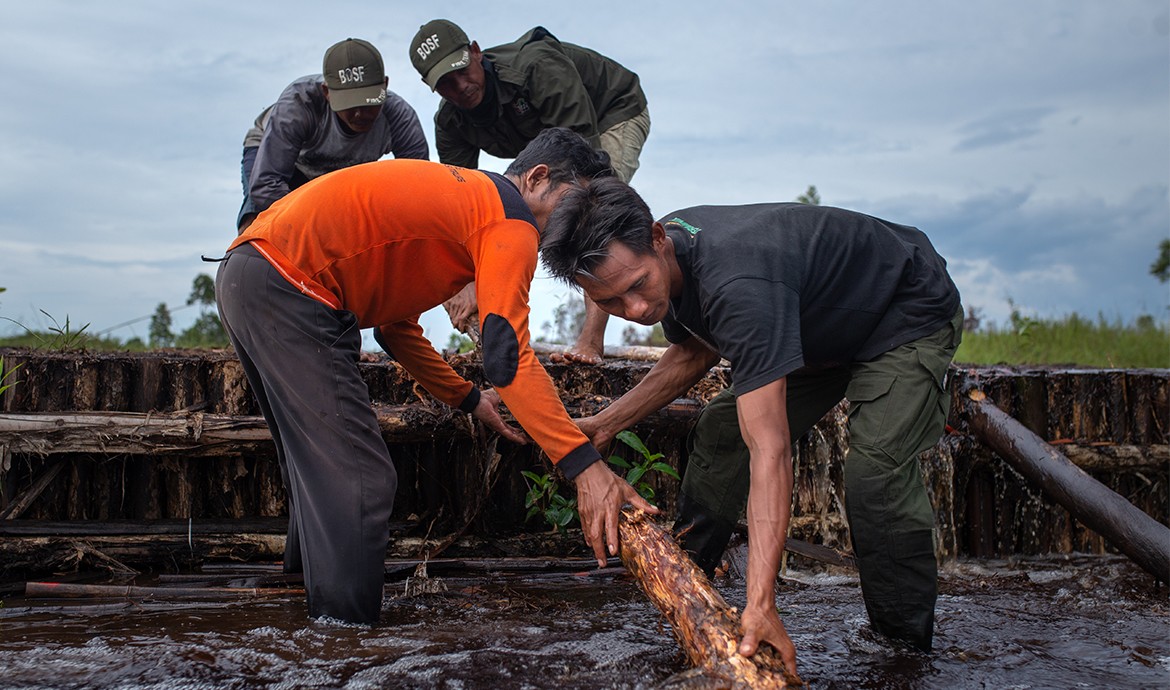
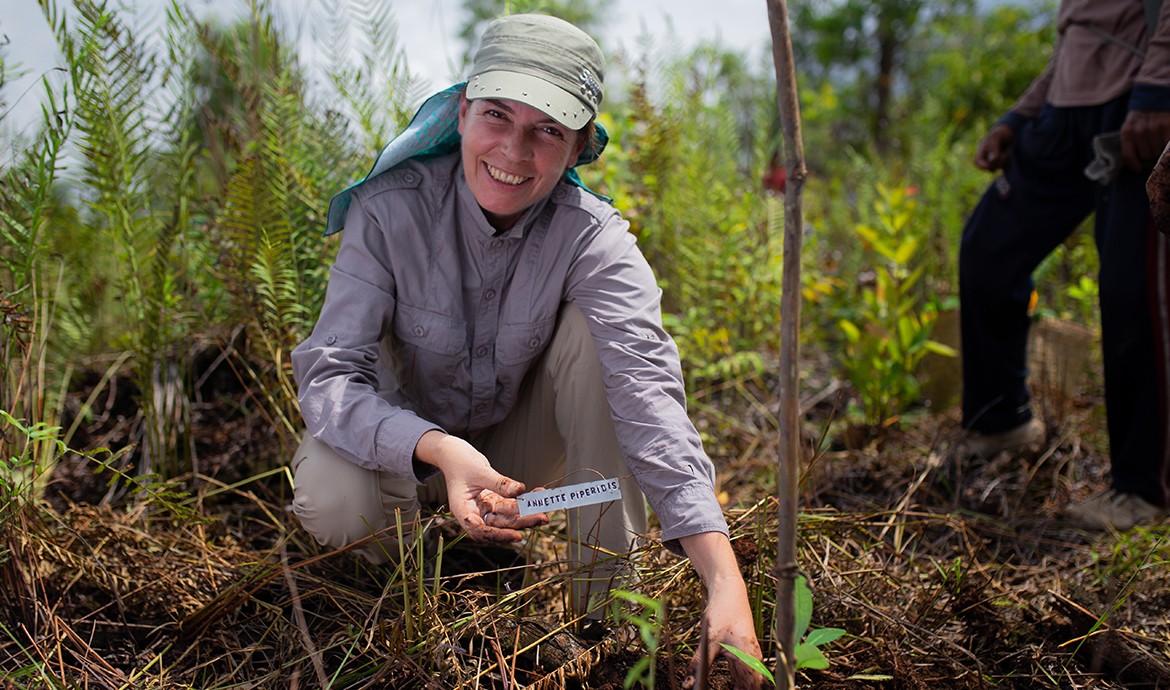
The collaboration focusses on long-term efforts to rehabilitate the unique Mawas peat swamp forest by blocking man-made canals to restore the natural water table levels on the site and by reforesting bare shrublands with rainforest tree species. By mid-2021, teams had already planted more than 55,000 trees and constructed 16 dams at the Weleda project site. The dams are going to have a dramatic effect. Reforestation sites will be submerged in water, which enables the peat ecosystem to effectively regenerate on its own while significantly reducing the risk of fire.
Additionally, to prevent any further drainage, fire and natural resource management patrols are strengthened by regular engagement from local community members during the dry season.
INVESTING IN LOCAL COMMUNITIES
A key aspect of the partnership is to work with the surrounding communities that rely on the landscape for their livelihoods and to foster strong relationships with them, ensuring their interests are acknowledged through a participatory process.
Following several participatory assessments of needs in the village community, as well as the mapping and formalization of village lands, the project now focuses on the implementation of sustainable development initiatives.
Current efforts include building the capacity and knowledge of local people in the project area in terms of natural resource stewardship, and engaging in livelihood strategies that decrease the risk of negative environmental impacts while providing income to the local population at the same time.
MEASURABLE IMPACTS
This collaboration has already started to yield phenomenal results, which to date include:

The BOS Foundation feels that to improve the quality of care for animals at the rehabilitation centres, supporting infrastructure ensuring the smooth delivery of food and supplies is essential.
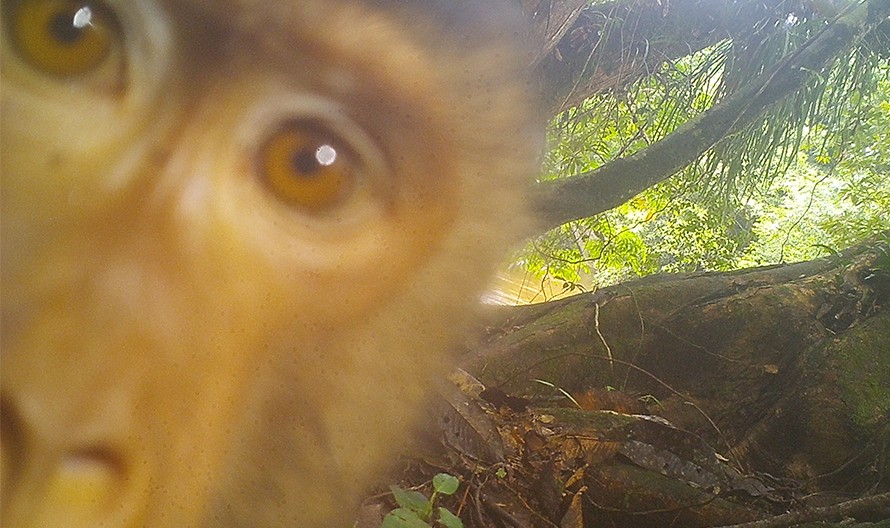
In collaboration with the Institut Pertanian Bogor (IPB University) and the University of British Columbia, a camera trap project aims to answer questions about the distribution of orangutans after being released in the Bukit Batikap Protection Fores
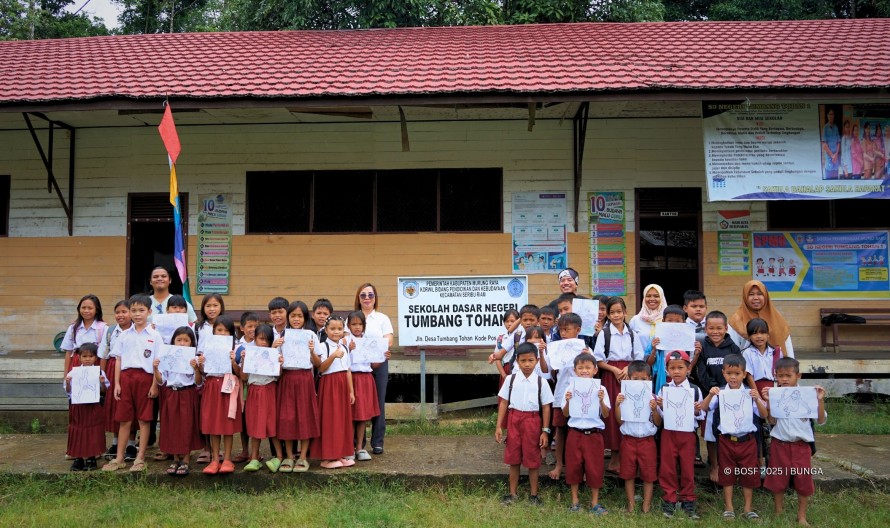
The Borneo Orangutan Survival (BOS) Foundation remains committed to orangutan conservation efforts by involving local communities.
