


ENCOUNTER WITH ORANGUTANS MERYL AND LYKKE
Post-release monitoring allows us to observe orangutans in the wild. Recent sightings of Meryl and Lykke in TNBBBR show both female orangutans actively foraging and displaying excellent nest-building skills.


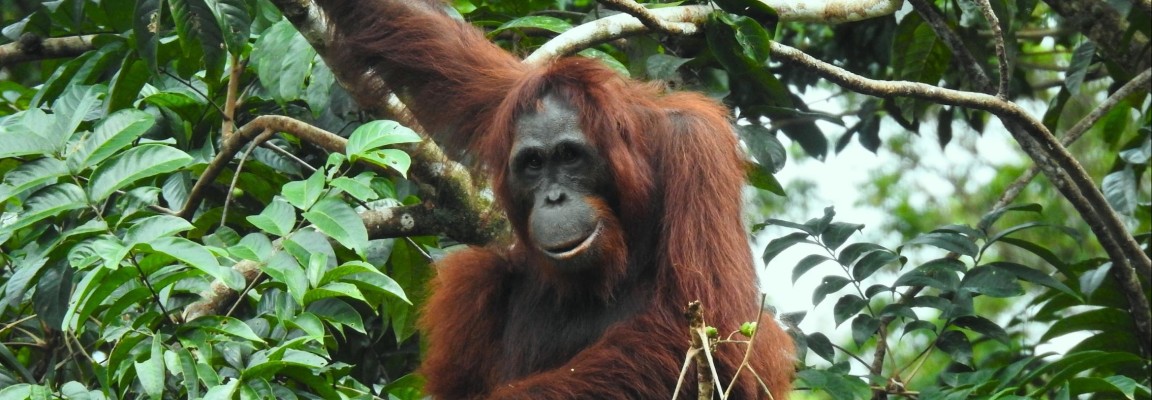
Dipterocarp forests are among the most majestic tropical ecosystems in Southeast Asia. Characterized by towering tree species from the Dipterocarpaceae family, these forests are more than just carbon sinks or biodiversity hotspots—they are vital habitats for some of the world's most iconic and endangered wildlife, including the Bornean orangutan (Pongo pygmaeus).
What sets Dipterocarp forests apart is their multi-layered canopy and dense vegetation. Trees such as Shorea, Dipterocarpus, Anisoptera, and Hopea can grow up to 70 meters tall, creating a vertical habitat structure that supports a wide array of forest life. For orangutans, these forests are ideal: the high canopy offers food, shelter, and safety.
Read also: THE ART OF ORANGUTAN NEST BUILDING
On the forest floor and mid-story, plant diversity flourishes with ferns, Elingera, and various understorey shrubs that contribute to a balanced ecosystem. The availability of fruits, flowers, and young leaves from Dipterocarp trees forms the dietary backbone for orangutans, enabling them to thrive in their natural environment.
Dipterocarp forests are distributed across Sumatra, Kalimantan, and parts of Sulawesi. Kalimantan, in particular, boasts the most extensive Dipterocarp forest cover and serves as a stronghold for the Bornean orangutan. However, these vital habitats are under serious threat.
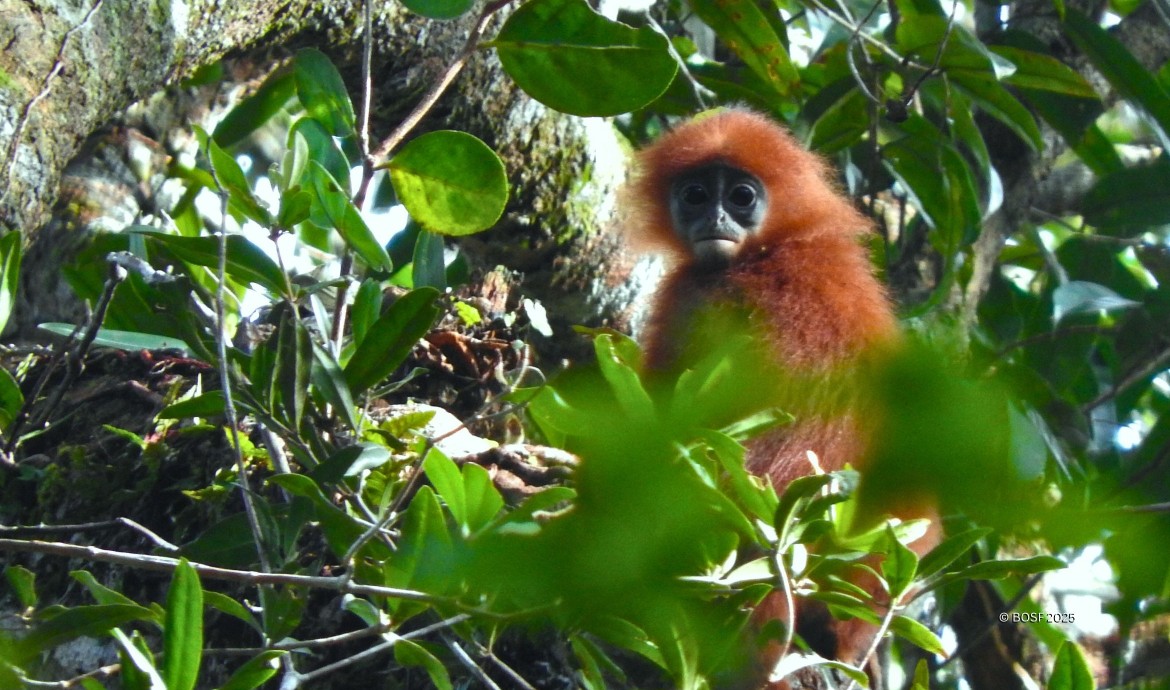
Maroon leaf monkey (Prebystis rubicunda)
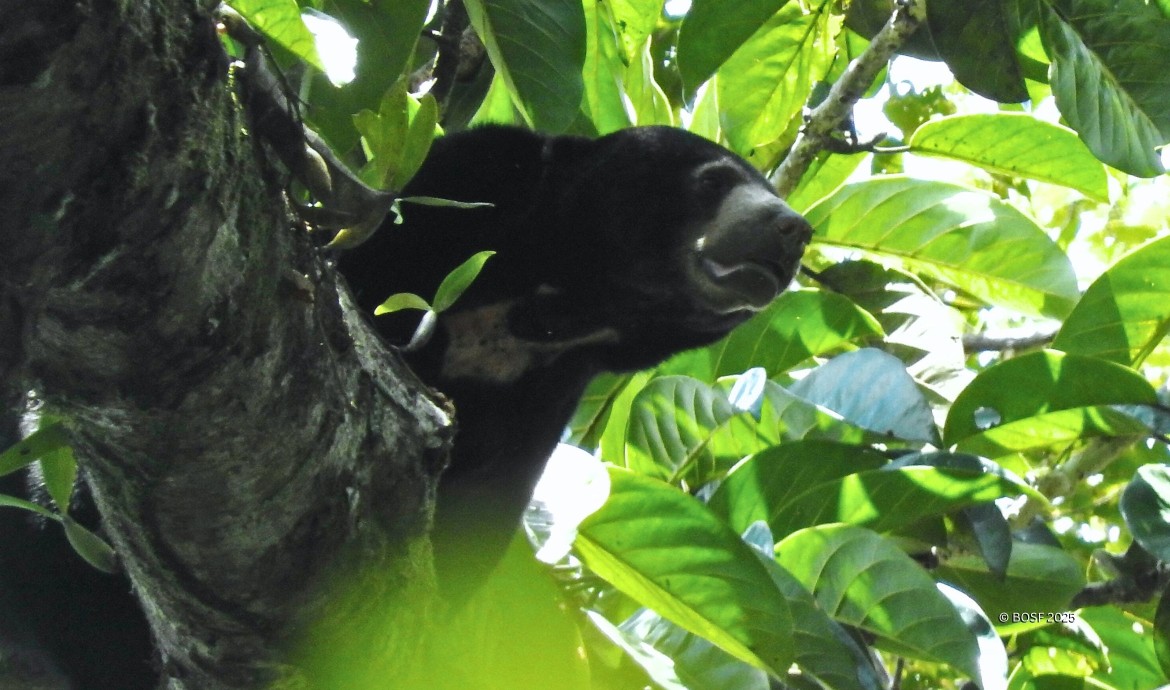
Sun bear (Helarctos malayanus)

Müller's gibbon (Hylobates muelleri)
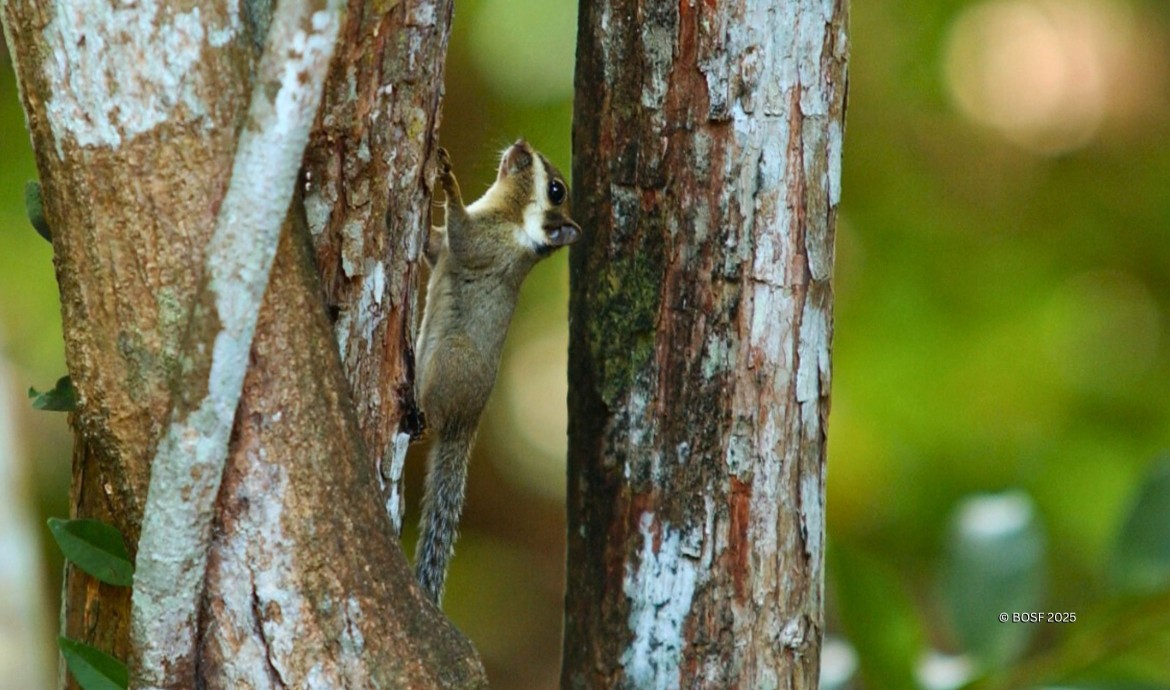
Black-eared squirrel (Nannosciurus melanotis)

Philippine slow loris (Nycticebus menagensis)
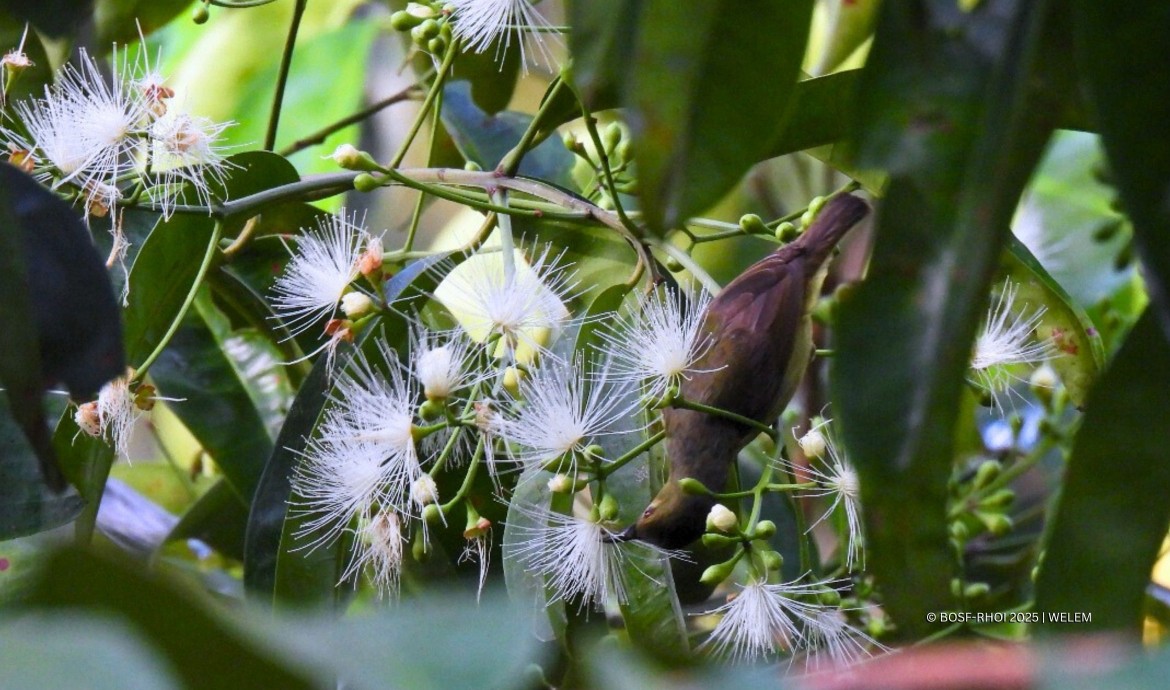
Thick-billed Spiderhunter (Arachnota crassirostris)
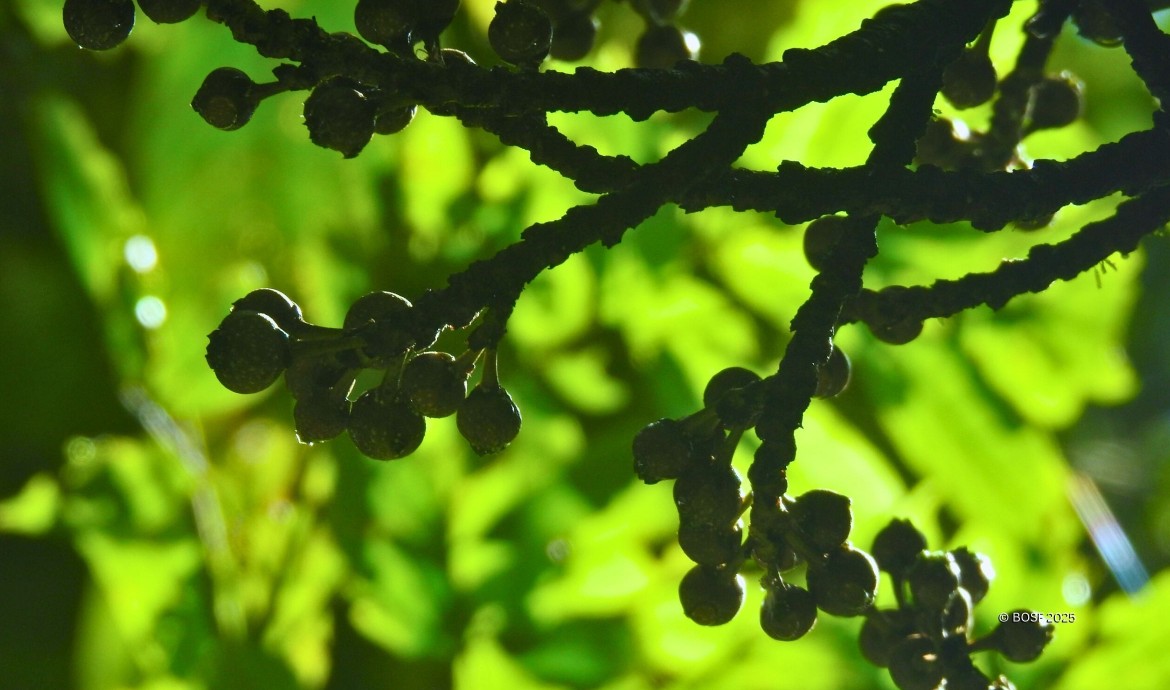
Bayeh (Oncosperma horridum)
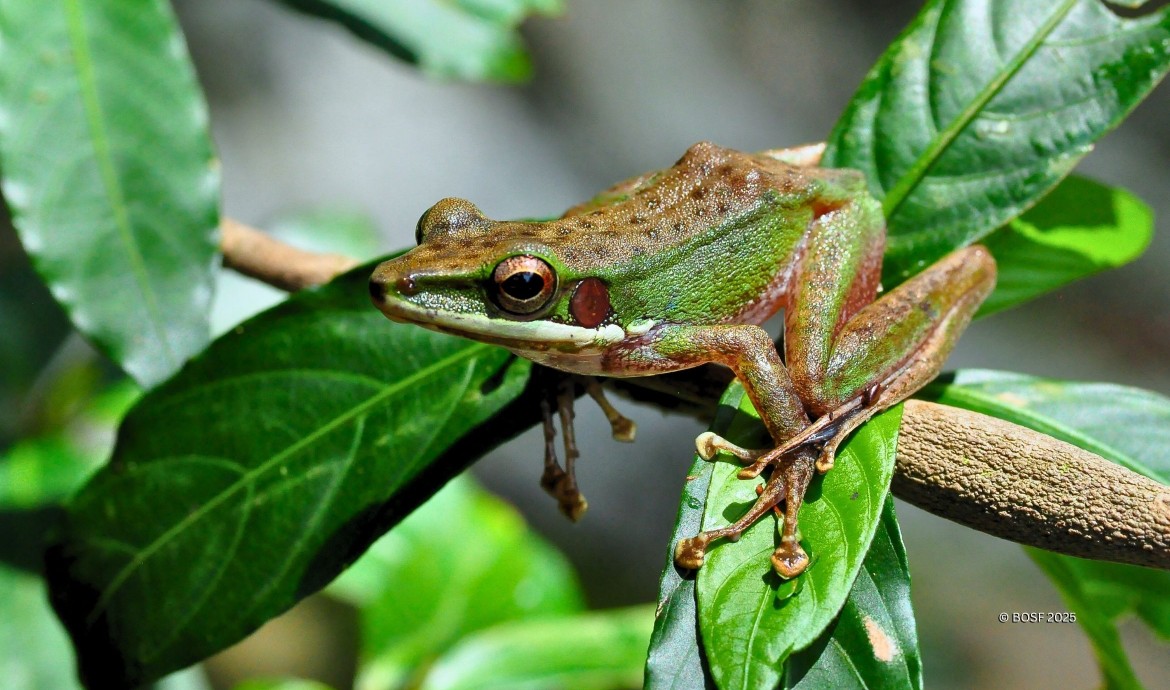
Hylarana chalconota
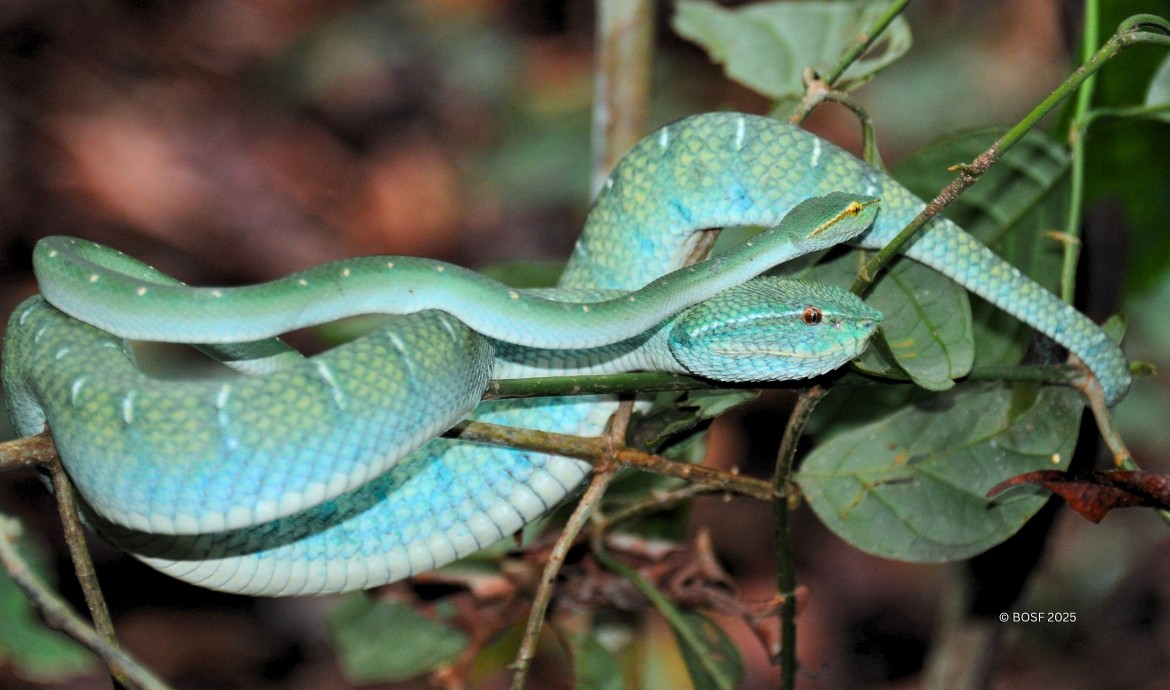
Bornean keeled green pit viper (Tropidolaemus subannulatus)

Rhinoceros hornbill (Buceros rhinoceros)
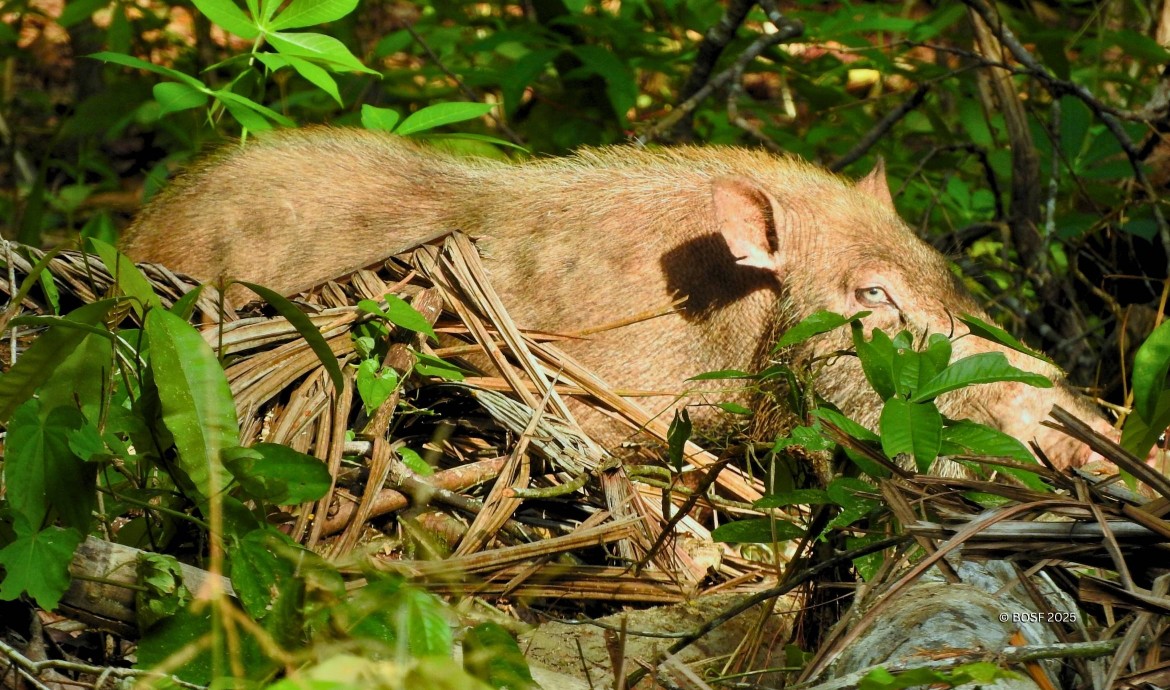
Bornean bearded pig (Sus barbatus)
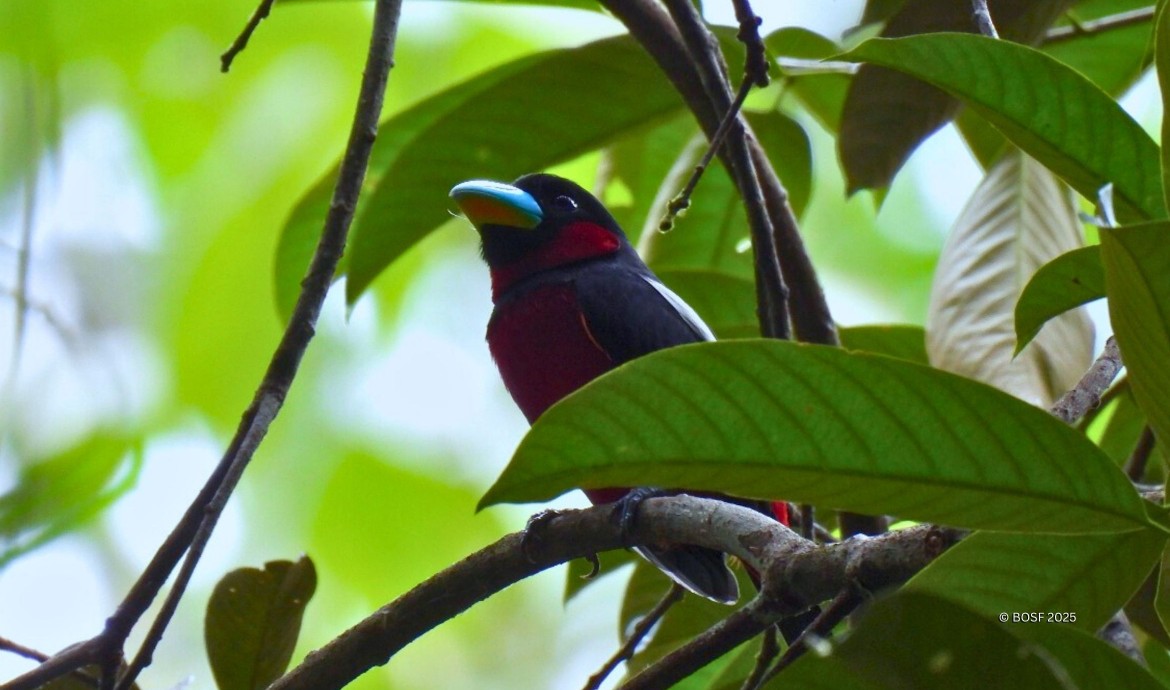
Cymbhirhinchus macrorhyncos

Kehje Sewen Forest
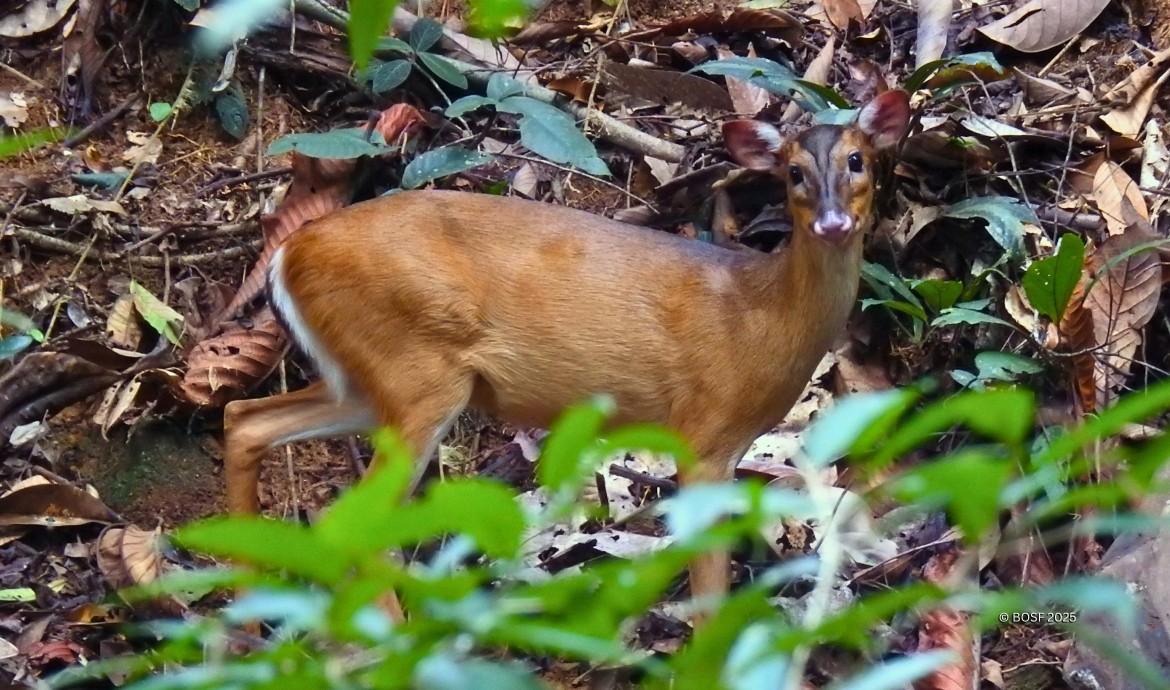
Muntjac

Manouria emys-emys
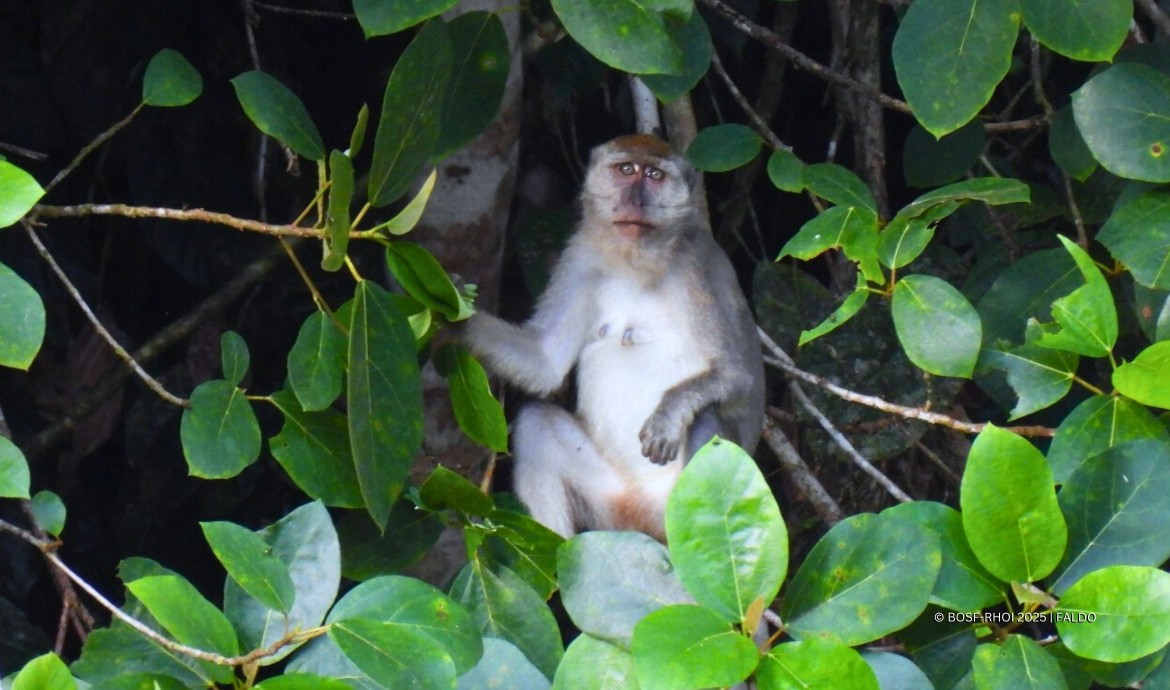
Crab-eating macaque (Macaca fascicularis)

Forest Canopy
According to Global Forest Watch, Indonesia lost more than 32.0 million hectares of tree cover between 2001 and 2024, with East Kalimantan among the regions experiencing the highest rates of deforestation. This loss fragments orangutan populations, reduces access to food and nesting sites, and increases the risk of conflict with humans.
Orangutans are not just inhabitants of Dipterocarp forests—they are key players in maintaining them. By consuming fruits and dispersing seeds through their feces, orangutans help regenerate the forest. This natural process supports biodiversity and enhances the forest’s resilience against climate change and ecological degradation.
Read also: ORANGUTANS MAKE FOR FINE FOREST FORAGERS
Studies show that Dipterocarp forests store significant amounts of carbon, regulate water cycles, and prevent soil erosion. As one of the most biologically productive ecosystems (Whitmore, 1984; Meijaard, 2006), these forests support over 50% of the tree species found in parts of Southeast Asia.
Conservation efforts are essential to protect and restore Dipterocarp forests. Initiatives like forest area protection, reforestation, and orangutan rehabilitation and reintroduction play a key role. In East Kalimantan, the Kehje Sewen Forest exemplifies how Dipterocarp ecosystems can serve as safe havens for rehabilitated orangutans, while also providing living laboratories for scientific research and environmental education.
Safeguarding Dipterocarp forests means securing the future of the Bornean orangutan and countless other species. These forests are not just green expanses; they are vibrant, interconnected systems that embody the fragility and resilience of tropical ecosystems. Through collaborative conservation involving governments, local communities, conservationists, and the private sector, we can ensure that these vital habitats endure for generations to come.


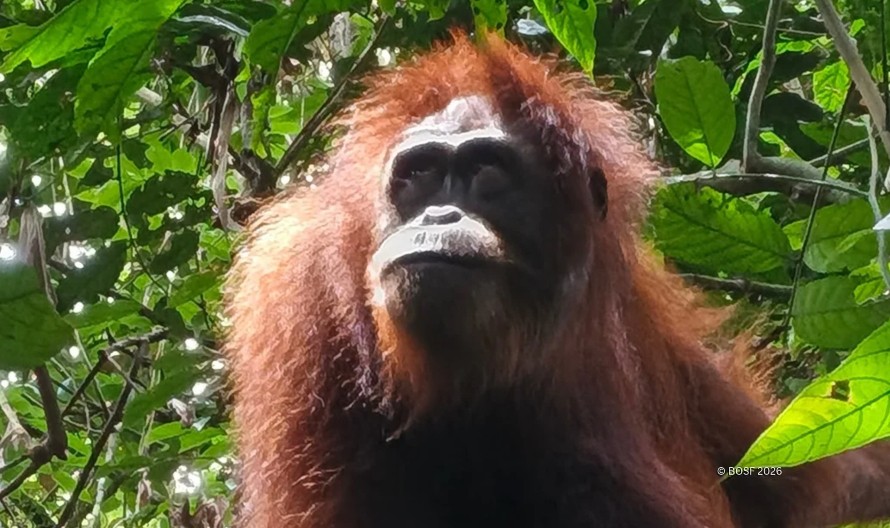
Post-release monitoring allows us to observe orangutans in the wild. Recent sightings of Meryl and Lykke in TNBBBR show both female orangutans actively foraging and displaying excellent nest-building skills.
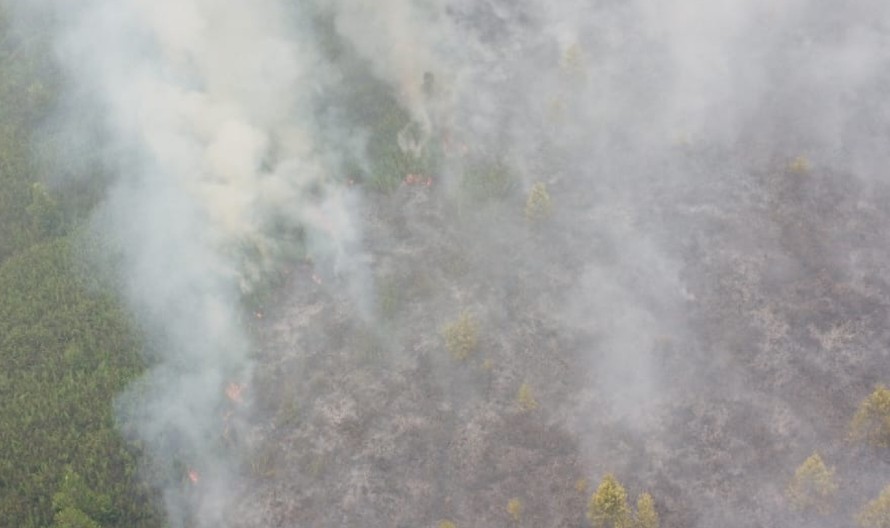
Forest fires create a hidden crisis for wildlife. Beyond destroying habitats, smoke exposure threatens orangutans' health, restricts food and water, and violates core animal welfare principles across Kalimantan's ecosystems.
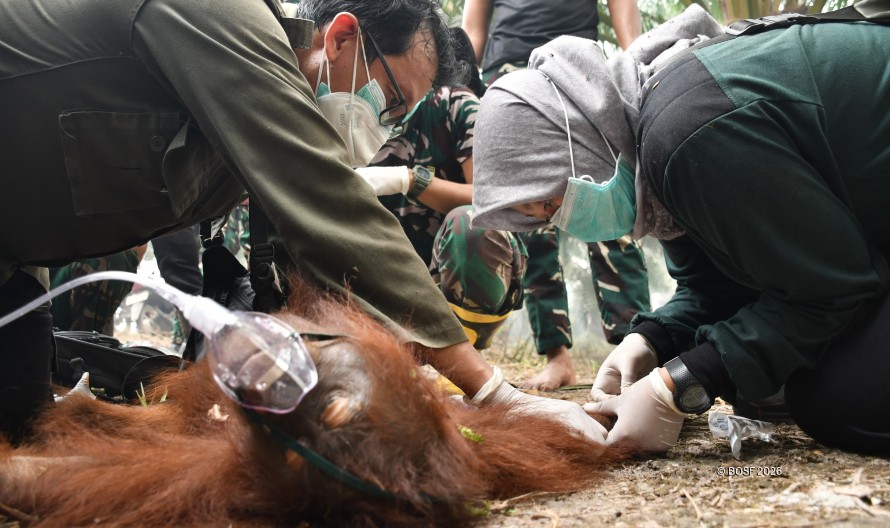
When forest fires strike, orangutans face a deadly fight for survival. Trapped atop a burning tree in Central Kalimantan, baby orangutan Novita was rescued through a joint emergency effort by BKSDA, BOS Foundation, TNI AD, and local residents.
