


ENCOUNTER WITH ORANGUTANS MERYL AND LYKKE
Post-release monitoring allows us to observe orangutans in the wild. Recent sightings of Meryl and Lykke in TNBBBR show both female orangutans actively foraging and displaying excellent nest-building skills.


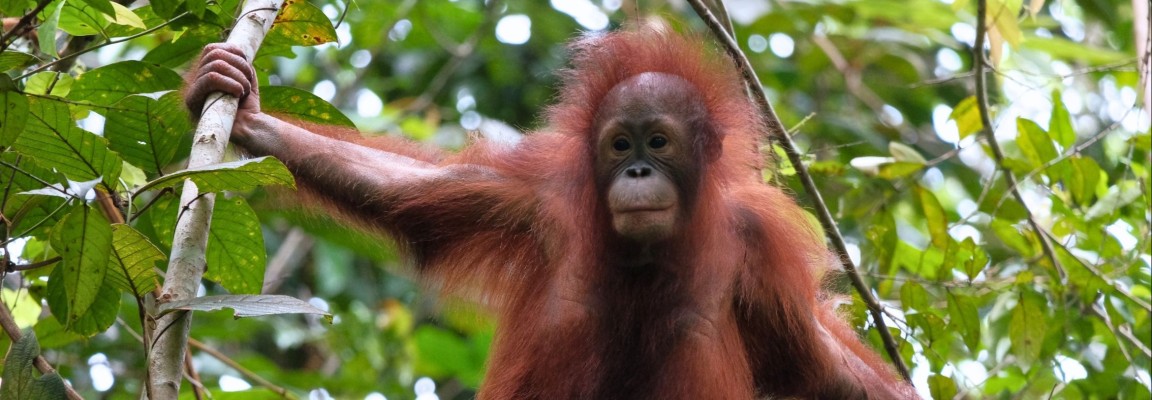
Every orangutan rescue carries a story of struggle, recovery, and the chance for a new beginning. The following is a recap of several young orangutans rescued throughout this year who are now undergoing the reintroduction process at the BOS Foundation’s rehabilitation centres in both Central and East Kalimantan.
Jenny was rescued early this year from Pendamaran Village, Kutai Kartanegara. After some time being held by local residents, she was handed over to BKSDA SKW II Tenggarong and transported to the Samboja Lestari Rehabilitation Centre. Upon arrival, Jenny was in fairly good condition and immediately underwent a medical examination.
Read also: JENNY’S PROGRESS AT THE SAMBOJA LESTARI
She is now adjusting to her new surroundings, joining other infants in the Nursery Group. Jenny has slowly begun showing her natural behaviours, such as climbing and exploring. Thus promising signs that she is ready to progress further in her rehabilitation journey.
In the first quarter of this year, two infant orangutans, Esa and Indri, were rescued at around the same time. They arrived at Samboja Lestari under different conditions. Indri, in particular, had sustained injuries from a dog bite.
Read also: ESA & INDRI GROWING STRONGER TOGETHER
After receiving dedicated care and medical attention, both babies began showing encouraging progress. According to their caregivers, they are adapting well, eating enthusiastically, responding positively to human interaction, and gradually recovering from their early trauma. They are now part of the Nursery Group, learning to recognize their new safe environment.
Nia was brought to the Nyaru Menteng Rehabilitation Centre after being found by residents near Tumbang Mahop. When rescued, she was very young and showed signs of trauma, including wounds from being tied.
Read also: A NEW ARRIVAL AT NYARU MENTENG REHABILITATION CENTRE
Despite her condition, Nia has shown remarkable adjustment. One thing her surrogate mothers quickly noticed was her strong curiosity. During quarantine, she began climbing, playing, and seeking comfort near her caregiver. These small but meaningful steps mark the beginning of her long journey toward recovery.
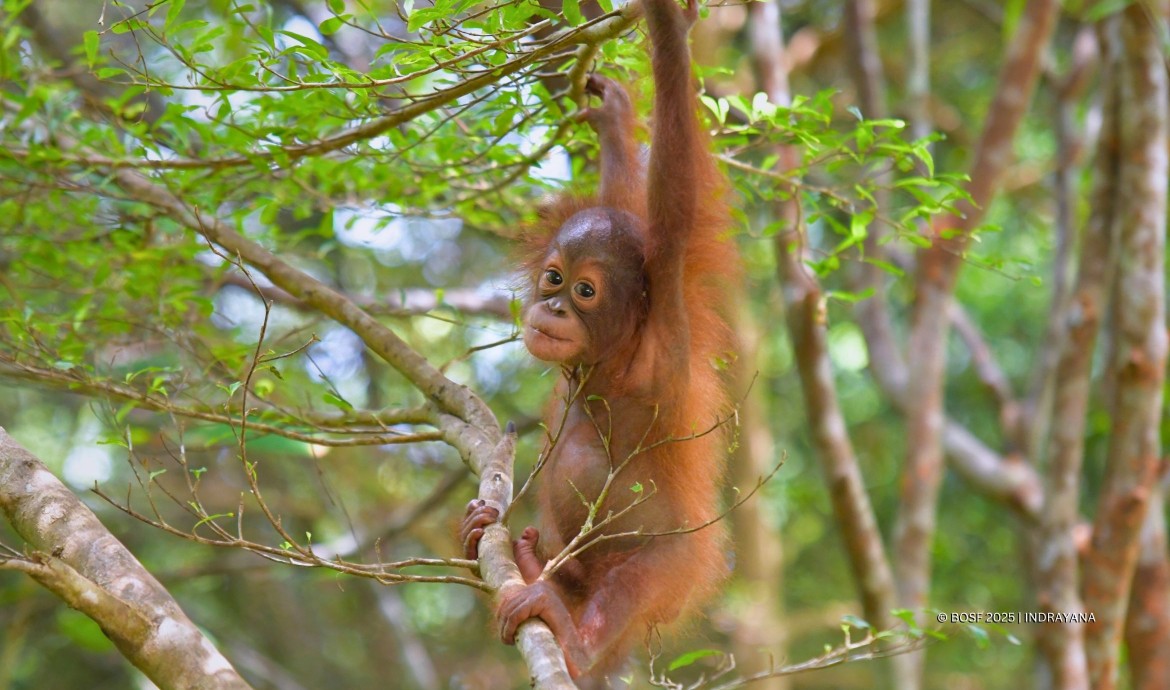
Momo
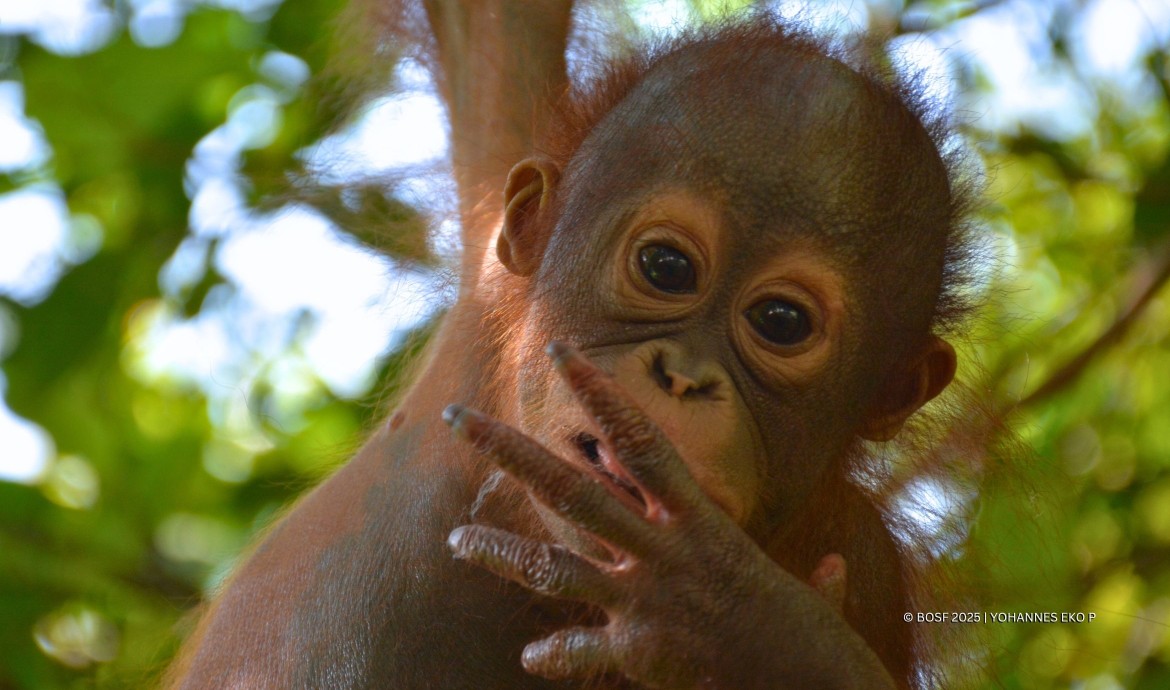
Nia
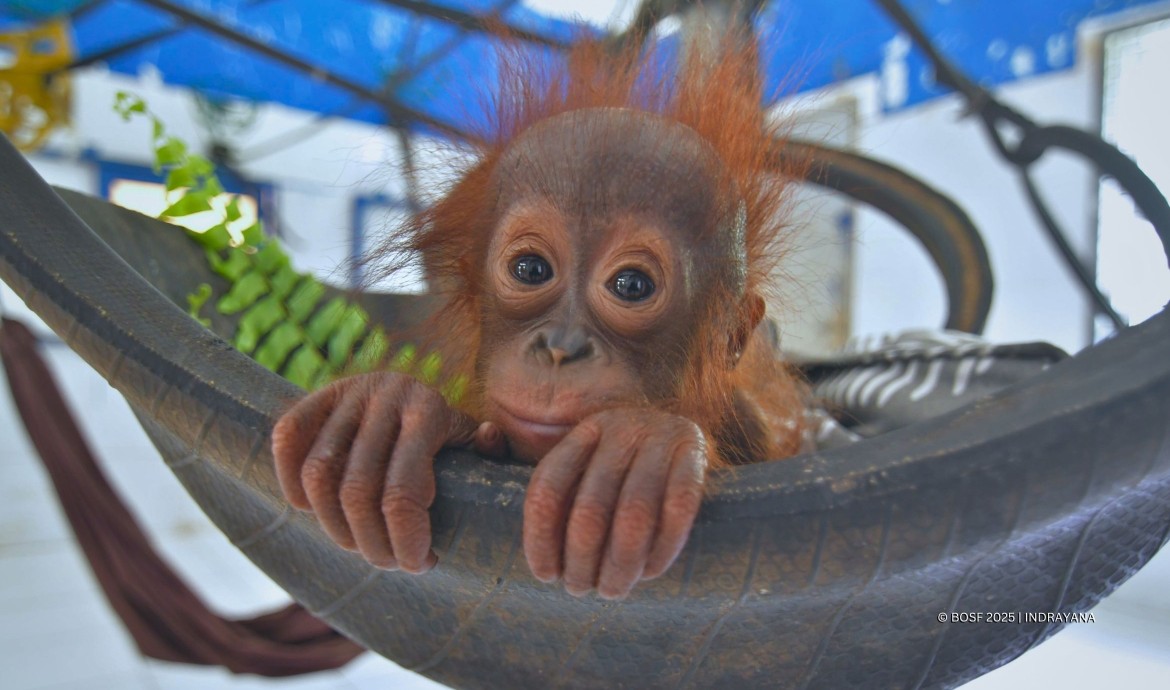
Pororo
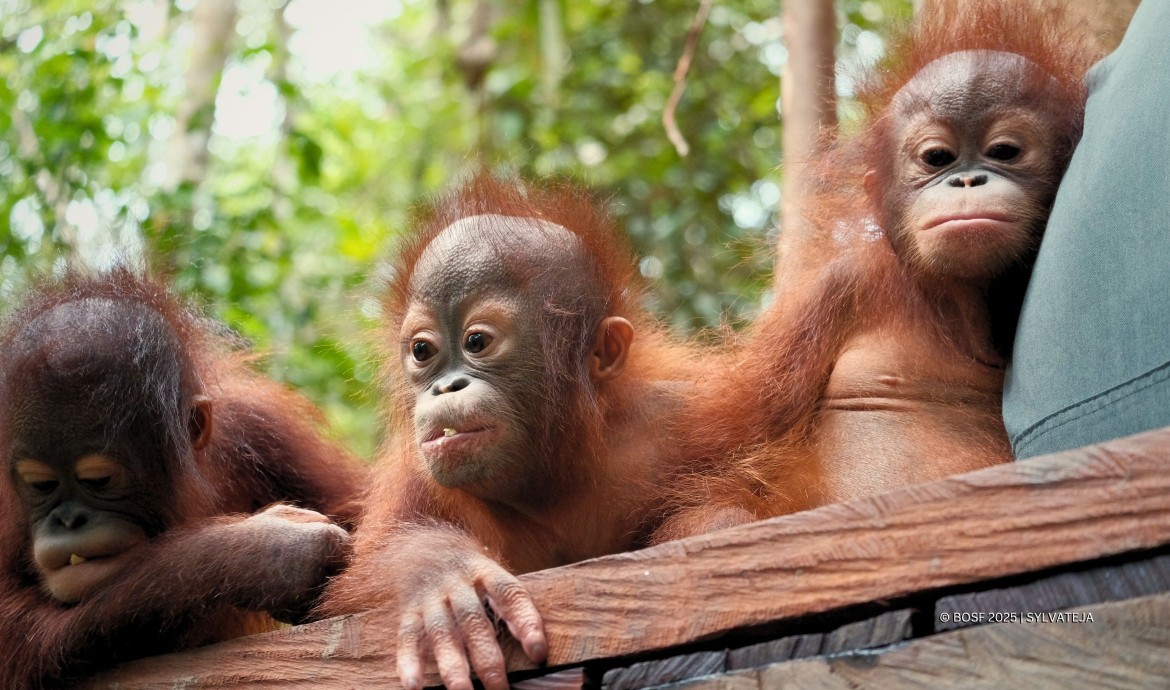
Kayla, Indri, & Esa
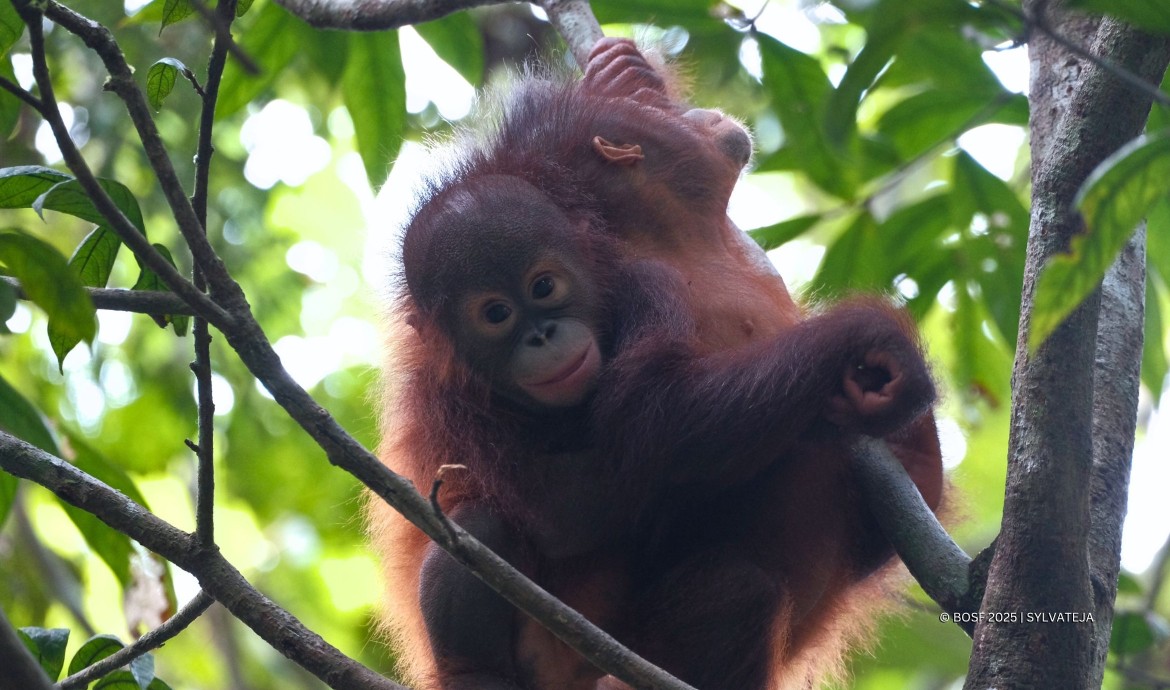
Esa
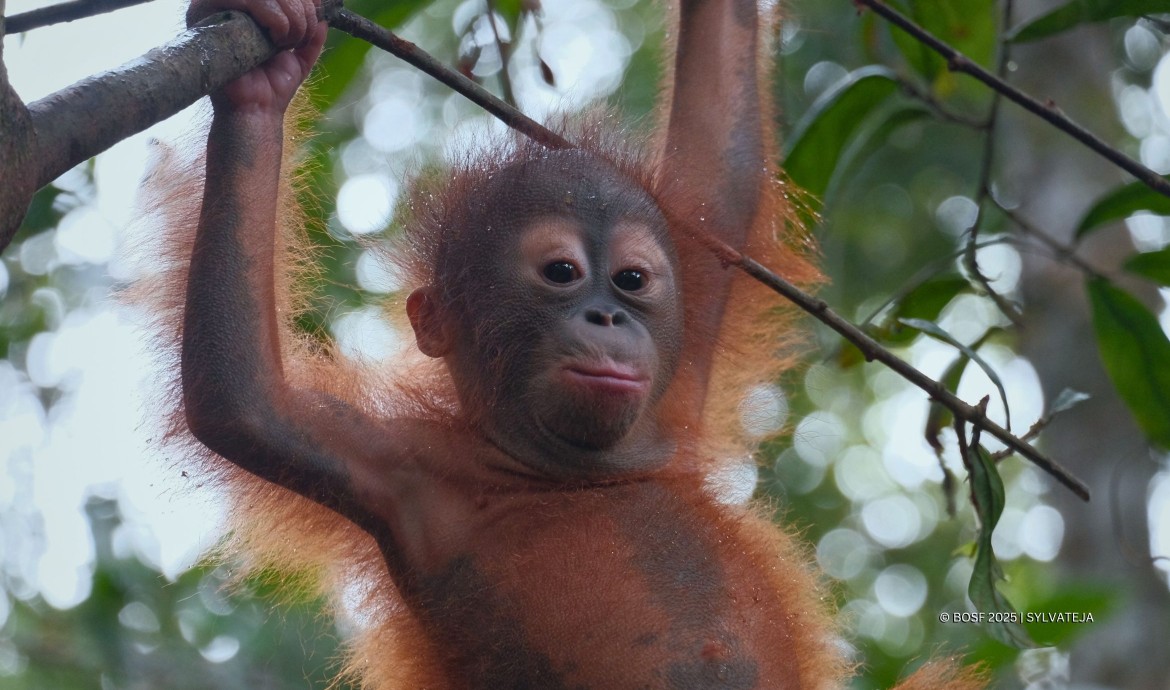
Kayla
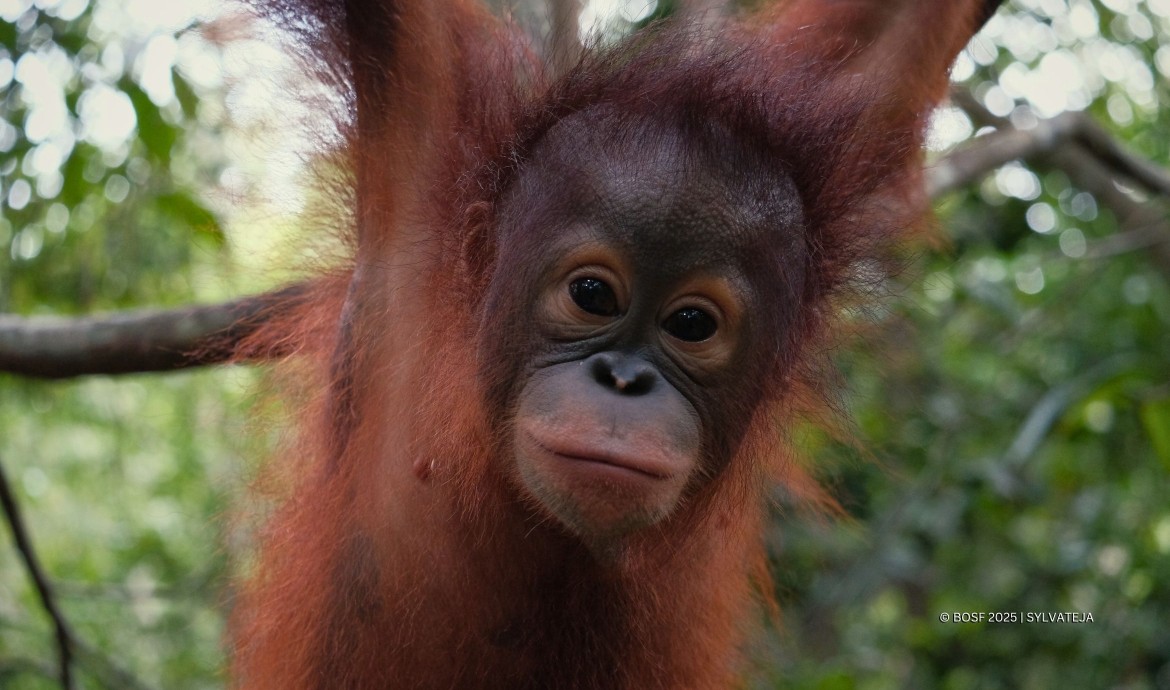
Indri
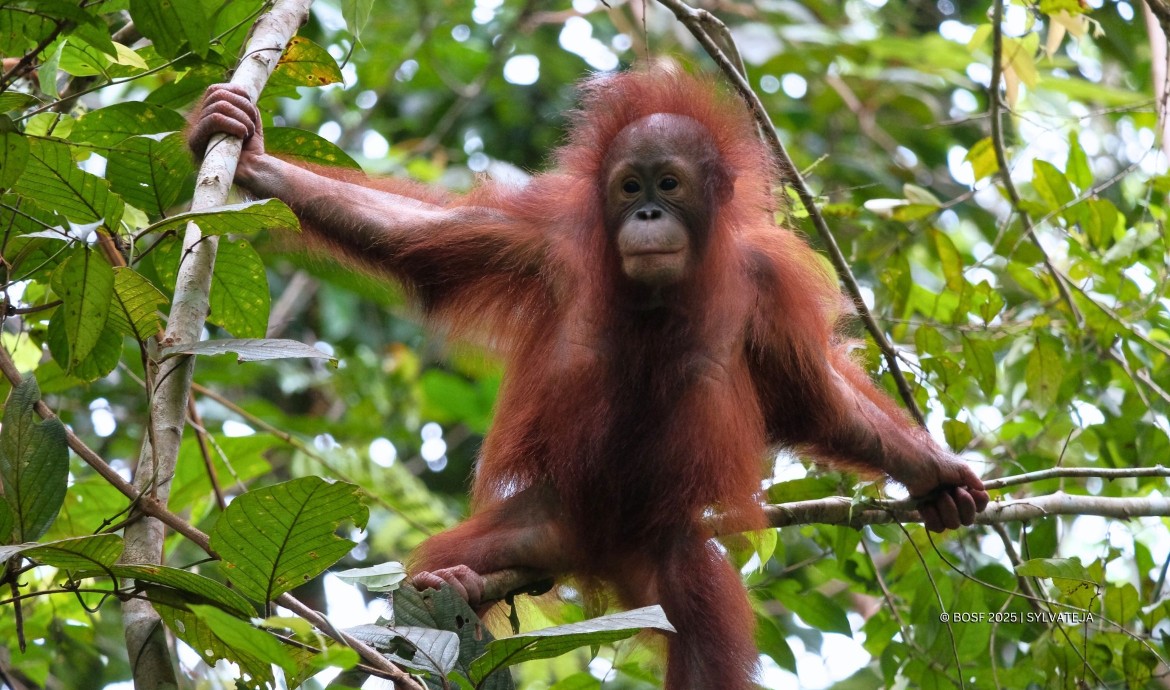
Jenny
Momo was rescued from Kuala Kurun in a condition that required special attention. She had a fever and an old fracture in one of her toes. Fortunately, with proper medical treatment and quarantine, her condition gradually improved.
Read also: THE RESCUE JOURNEY OF A YOUNG ORANGUTAN FROM KUALA KURUN
Today, Momo is eating well and enjoying playtime. She has also started showing the confidence to climb and explore her surroundings. These are an important milestone in her rehabilitation process.
Kayla, a young female orangutan from Kongbeng, was rescued in mid-2025 and transported to Samboja Lestari. When she arrived, her condition was relatively stable, although she had experienced a mild fever.
Read also: ORANGUTAN RESCUED FROM KONGBENG ARRIVES AT SAMBOJA LESTARI
Kayla is now in the Nursery Group, learning to interact with other orangutan infants. Although still in her adaptation phase, she has shown steady improvement and is becoming more active each day.
Pororo was one of the most recent rescues of the year at the Nyaru Menteng Rehabilitation Centre. When she arrived, she was extremely weak, with a body weight far below normal. A medical examination revealed that she was suffering from malaria and needed immediate intensive treatment.
Read also: A FRAGILE START BECOMING A STRONGER TOMORROW
Before long, her symptoms began to subside. Pororo slowly regained energy, started eating well, and showed curiosity toward her surroundings. Although her recovery journey is still long, these early improvements offer hope for her future.
Jenny, Esa, Indri, Nia, Momo, Kayla, and Pororo are now all in stable condition, though still in the early adaptation stages within their small forest school groups at the BOS Foundation rehabilitation centres. They represent a new generation as one we hope will grow strong, master essential survival skills, and one day become forest school graduates ready to help protect the forests of Kalimantan.
These stories remind us that every rescued orangutan is more than just a number; each one restores hope for the survival of the species and the ecosystems they depend on.


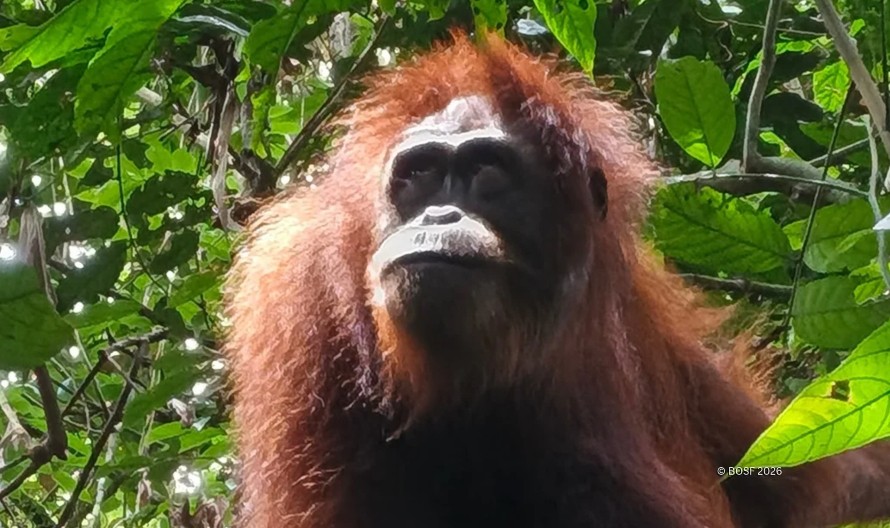
Post-release monitoring allows us to observe orangutans in the wild. Recent sightings of Meryl and Lykke in TNBBBR show both female orangutans actively foraging and displaying excellent nest-building skills.
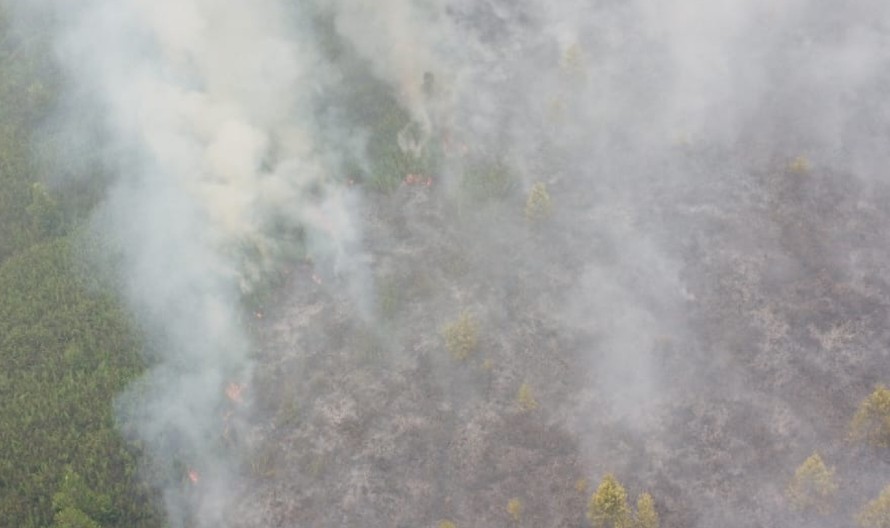
Forest fires create a hidden crisis for wildlife. Beyond destroying habitats, smoke exposure threatens orangutans' health, restricts food and water, and violates core animal welfare principles across Kalimantan's ecosystems.
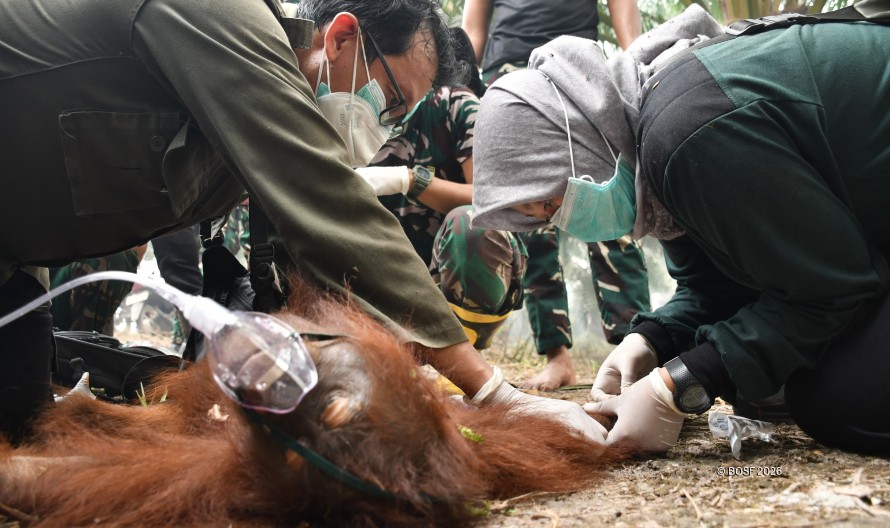
When forest fires strike, orangutans face a deadly fight for survival. Trapped atop a burning tree in Central Kalimantan, baby orangutan Novita was rescued through a joint emergency effort by BKSDA, BOS Foundation, TNI AD, and local residents.
