


RESCUING ROSE, FOUND IN A WEAKENED STATE
When habitat changes force sun bears into human settlements, swift rescue efforts are vital. Meet Rose, a young sun bear rescued in a weakened state, now receiving intensive care at Samboja Lestari.


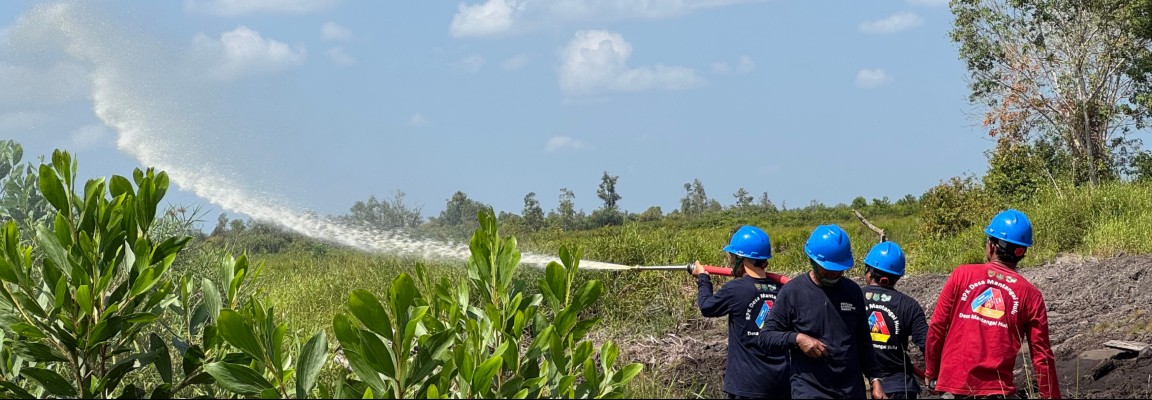
The dry season brings unique challenges to peatland ecosystems. As rainfall decreases and the ground gradually loses moisture, the risk of wildfire increases. For this reason, fire prevention begins long before flames appear.
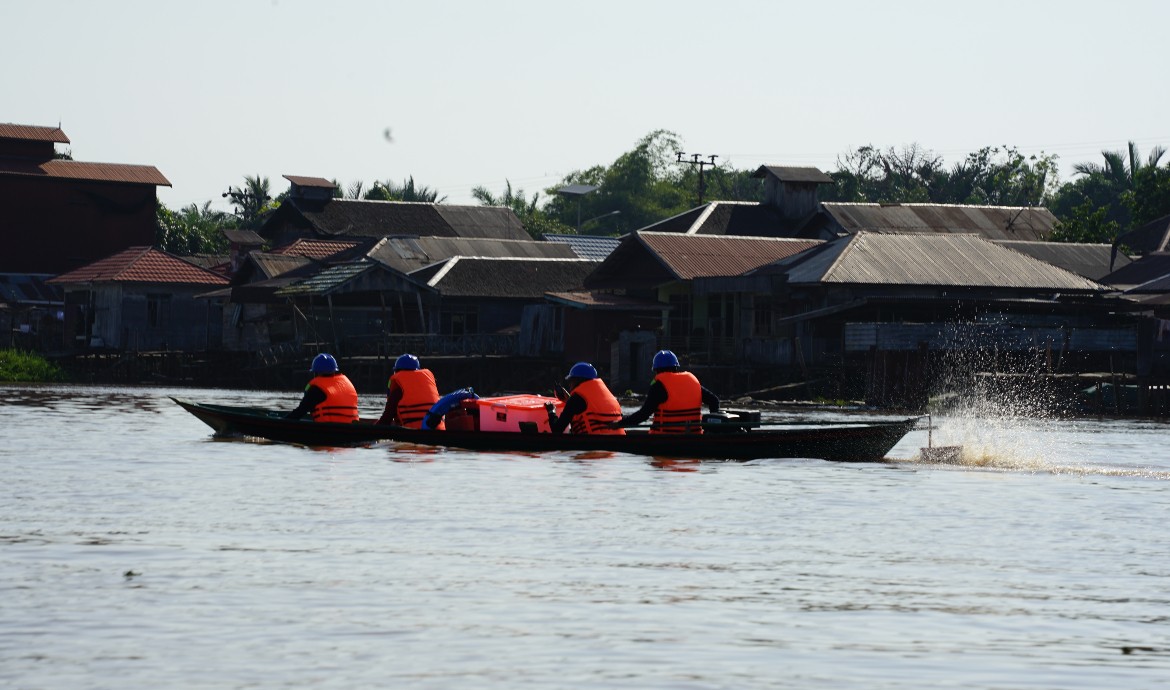
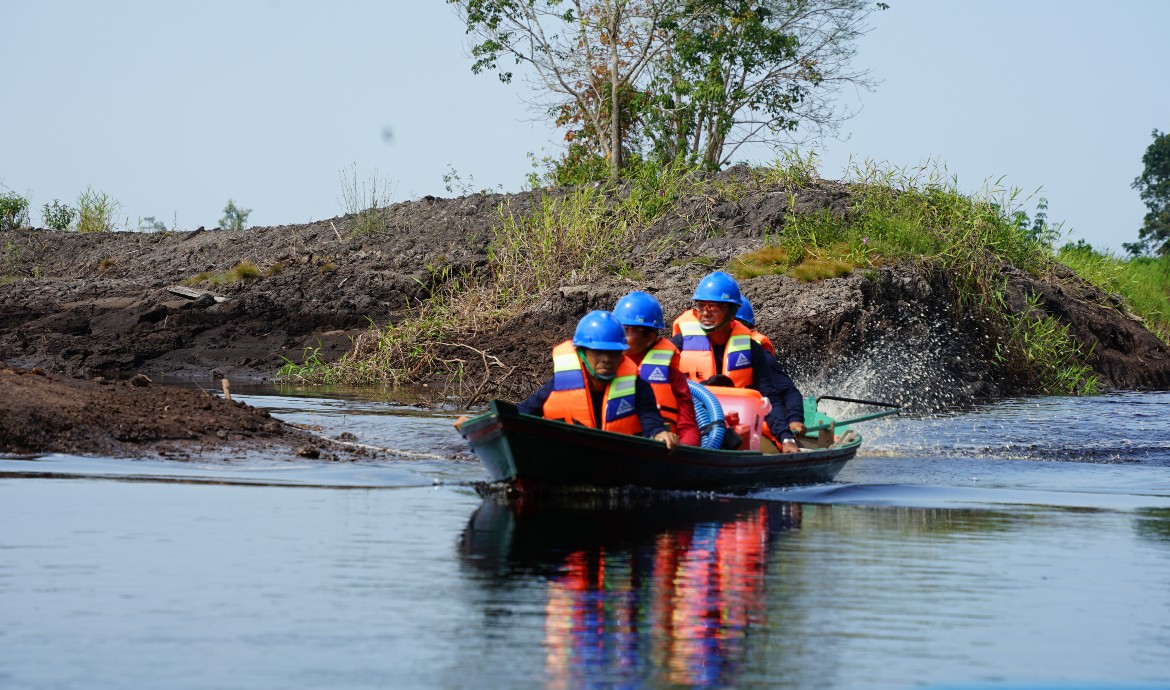
One of the routine activities carried out by BOS Foundation's Village Fire Team (RPK) in the Mantangai area is river patrols combined with peatland rewetting, an important effort to help keep peat soils moist throughout the dry season.
Each patrol begins in the morning. Travelling by klotok, the traditional wooden boats commonly used on Kalimantan's rivers, the team follows waterways that provide access to peatland areas. From the boat, members observe vegetation along the riverbanks while looking for smoke or other early signs of wildfire.
River patrols also allow the team to identify areas that are beginning to dry out, enabling preventive action before a fire has the chance to start.
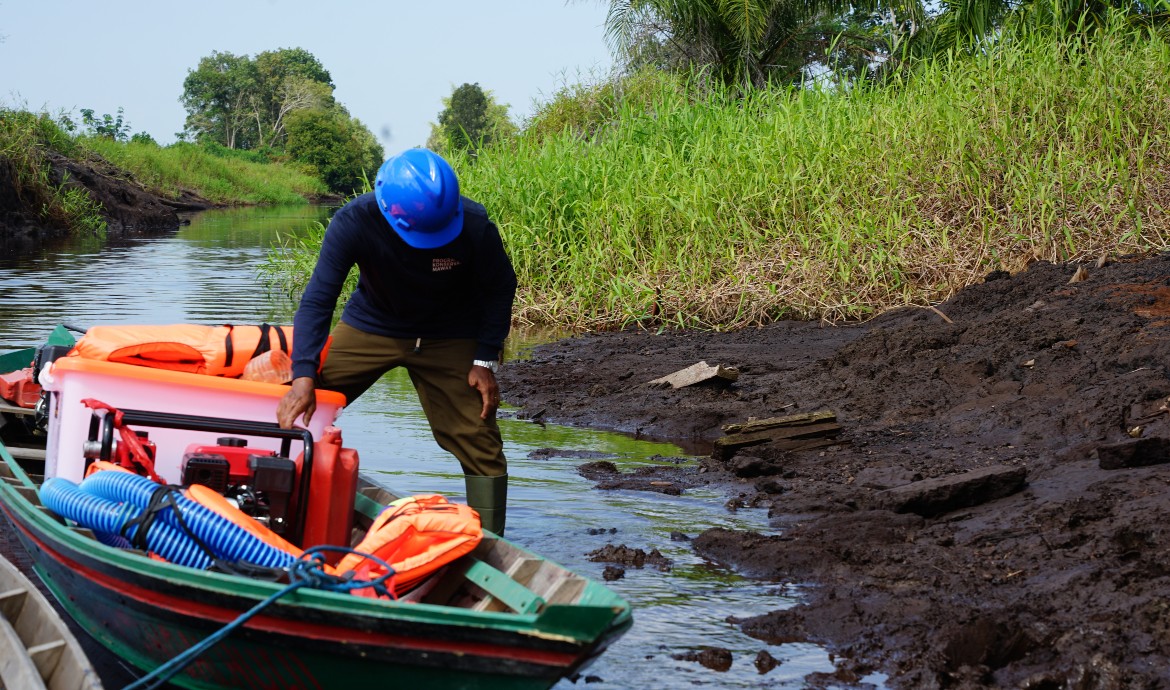
Every patrol carries portable water pumps, hoses, nozzles, communication equipment, navigation devices, and personal protective equipment, ensuring the team is ready to respond quickly if a wildfire is reported.
When patrols identify peatland that has started to dry, the team carries out rewetting activities. Water is pumped from nearby rivers or canals and sprayed across the peat surface to help restore and maintain moisture.
This preventive action is important because wet peat is far less likely to ignite than dry peat.
Rewetting has become one of the key approaches to peatland management, particularly during the dry season when water availability declines.
Peat is formed from layers of partially decomposed plant material that have accumulated over thousands of years in waterlogged environments. Under natural conditions, peat acts like a giant sponge, storing large amounts of water and playing an important role in regulating hydrological processes and the global climate.
However, when peat dries out, its organic material becomes highly flammable. Unlike fires in mineral soils, peat fires can spread beneath the surface as ground fires, making them much more difficult to detect and extinguish.
This is why maintaining peat moisture is one of the most effective ways to reduce wildfire risk.
River patrols and peatland rewetting are routine preventive measures carried out throughout the dry season. These activities help the team detect potential risks early while maintaining the moisture needed to reduce the likelihood of fire.
Behind every patrol is a commitment to protecting peatland forests and the extraordinary biodiversity they support. In conservation, success is measured not only by the fires that are extinguished, but also by the fires that never happen because effective prevention was already in place.
Peatlands store enormous amounts of carbon. When they remain wet, much of this carbon stays locked underground. However, when peatlands burn, carbon that has accumulated over thousands of years can be released into the atmosphere, contributing to climate change.


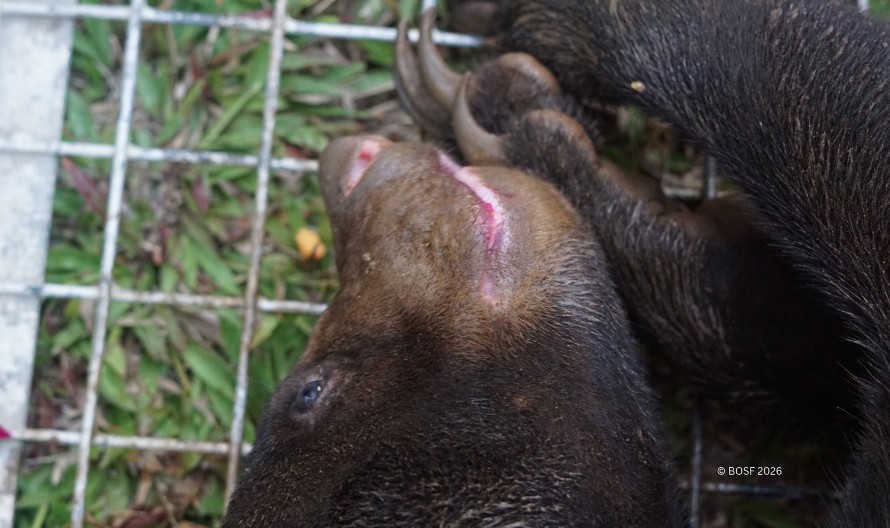
When habitat changes force sun bears into human settlements, swift rescue efforts are vital. Meet Rose, a young sun bear rescued in a weakened state, now receiving intensive care at Samboja Lestari.
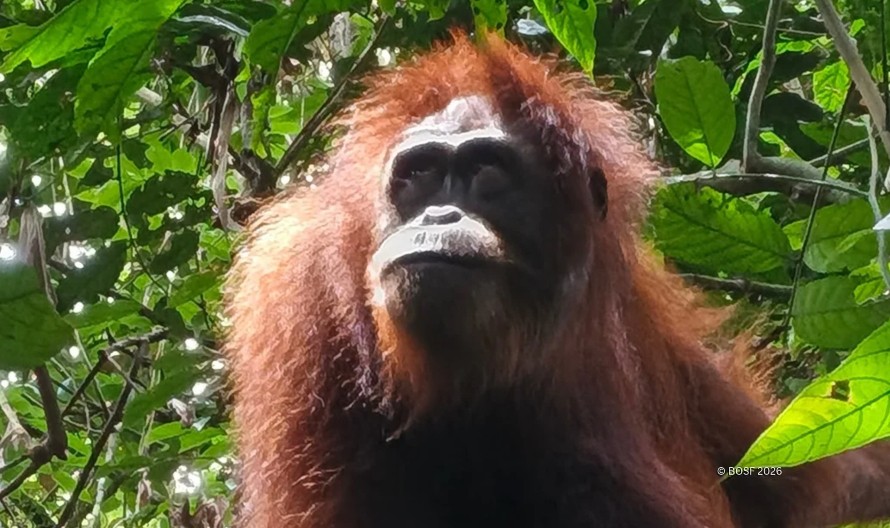
Post-release monitoring allows us to observe orangutans in the wild. Recent sightings of Meryl and Lykke in TNBBBR show both female orangutans actively foraging and displaying excellent nest-building skills.
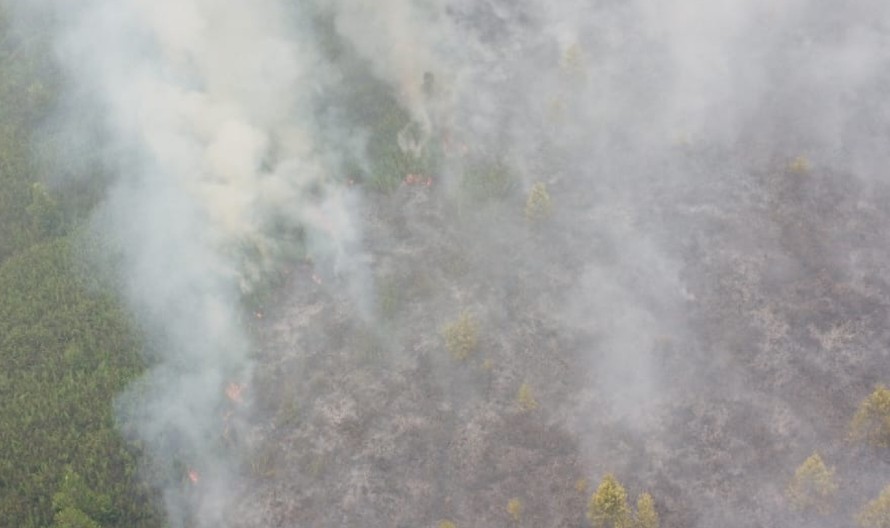
Forest fires create a hidden crisis for wildlife. Beyond destroying habitats, smoke exposure threatens orangutans' health, restricts food and water, and violates core animal welfare principles across Kalimantan's ecosystems.
