


RESCUING ROSE, FOUND IN A WEAKENED STATE
When habitat changes force sun bears into human settlements, swift rescue efforts are vital. Meet Rose, a young sun bear rescued in a weakened state, now receiving intensive care at Samboja Lestari.


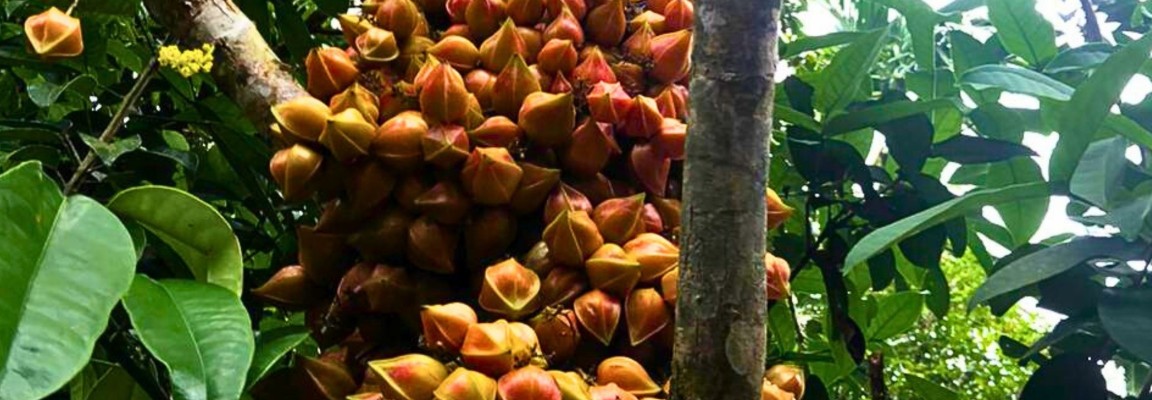
World Wildlife Day 2026 carries the theme Medicinal and Aromatic Plants: Conserving Health, Heritage, and Livelihoods. This theme highlights the vital role of medicinal and aromatic plants in supporting human health, preserving traditional knowledge, and sustaining the livelihoods of communities that depend on nature.
This theme strongly aligns with the long-standing efforts of the Borneo Orangutan Survival Foundation (BOS Foundation) through its community empowerment programs involving Indigenous Peoples and Local Communities (IPLCs) in Central and East Kalimantan.
For Indigenous Peoples and local communities, forests are not merely living spaces. They are sources of food, medicine, knowledge, and cultural identity. Yet these communities are often marginalized, facing limited access to land and natural resource rights, while also bearing the pressures of landscape change and large-scale development.
Read also: RUBBER TREES AS A COMMUNITY HERITAGE
Through its community empowerment programs, BOS Foundation works alongside 28 communities in Central and East Kalimantan to strengthen local institutional capacity, support the recognition of rights over forest areas and traditional lands, and encourage active community involvement in sustainable forest protection and management. This approach goes beyond wildlife conservation but also prioritizes the long-term well-being of the people who have safeguarded these forests for generations.
From the assistance provided to these 28 communities, approximately 115 local plant species have been documented, including food crops, medicinal plants, and non-timber forest products. These plants are not merely inventory data; they represent living knowledge passed down through generations and still actively used by local communities according to their functions.
One example is the young leaves of putat (Planchonia valida), which are traditionally used as herbal remedies for gastritis and bloating, respiratory problems such as bronchitis, and for maintaining healthy hair. These leaves are also rich in calcium, phosphorus, and vitamin B, and are often consumed as fresh vegetables due to their antioxidant, antibacterial, and anti-inflammatory properties that help relieve gum inflammation and reduce stress. Another example is the parijoto (Medinilla speciosa), which is high in antioxidants and is believed to enhance fertility, support the immune system of pregnant women, and help treat diarrhea and mouth ulcers. In addition, pasak bumi (Eurycoma longifolia) is widely known as a herbal plant that boosts stamina and male vitality.
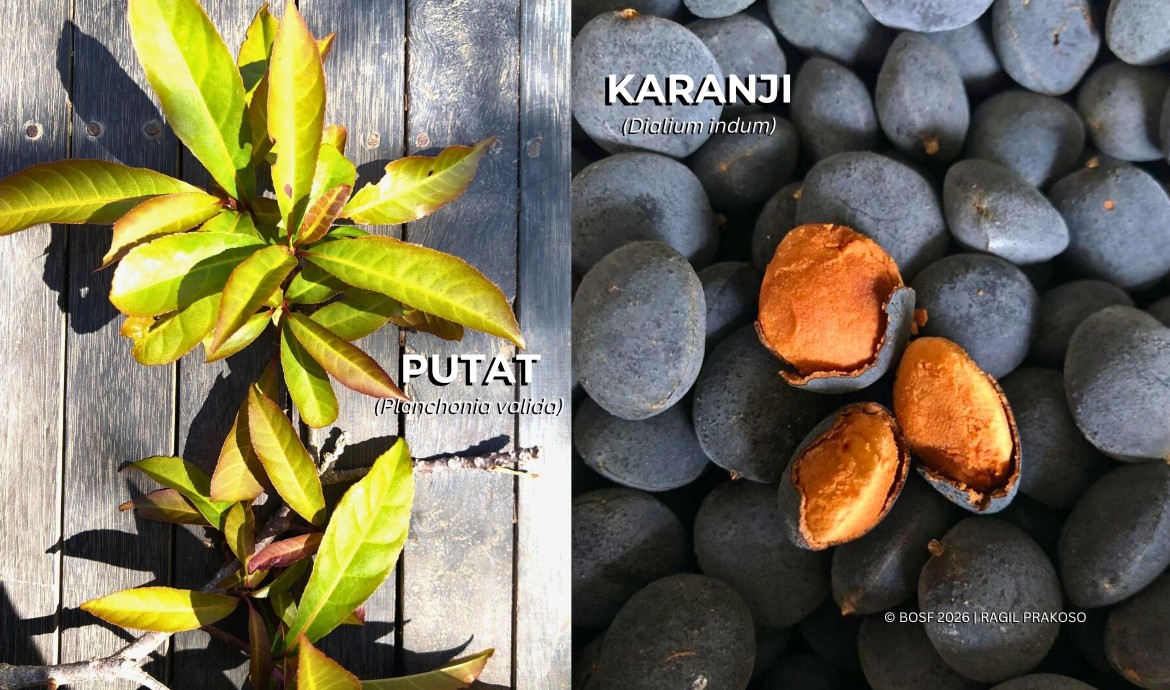
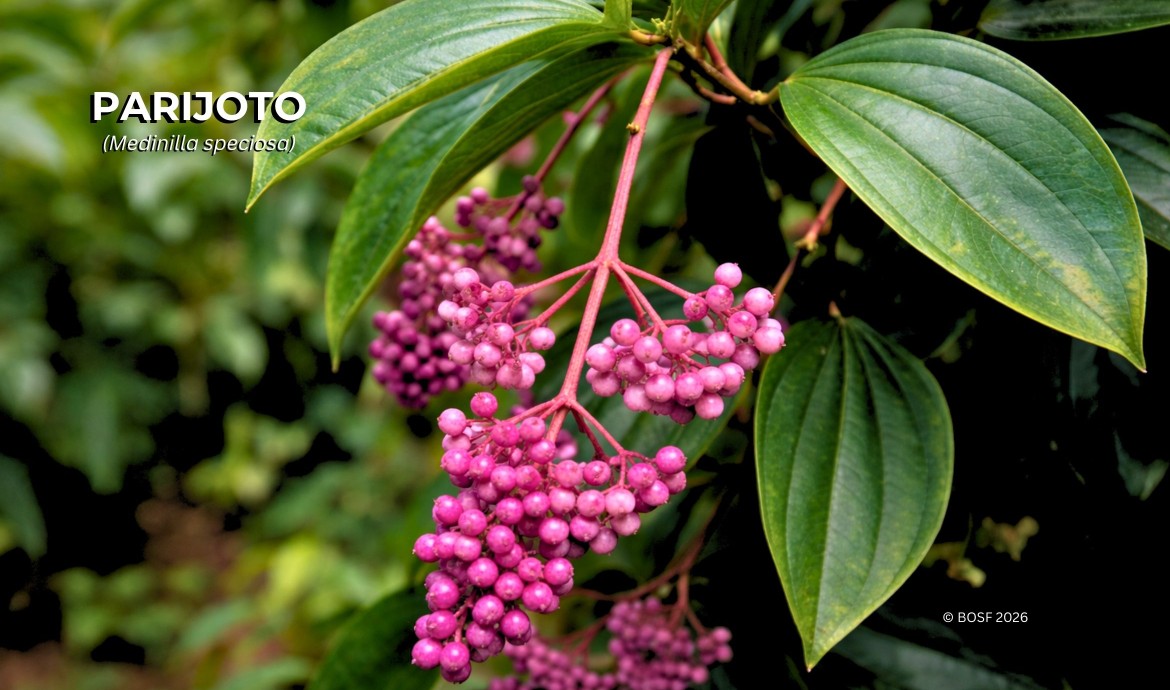
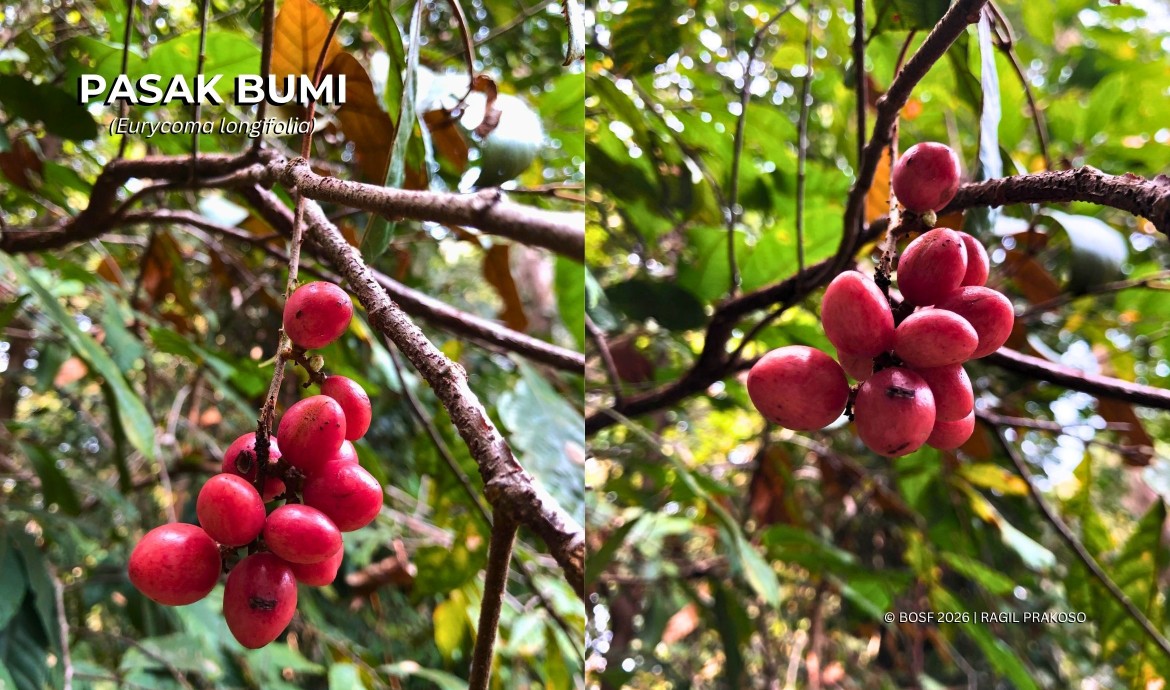
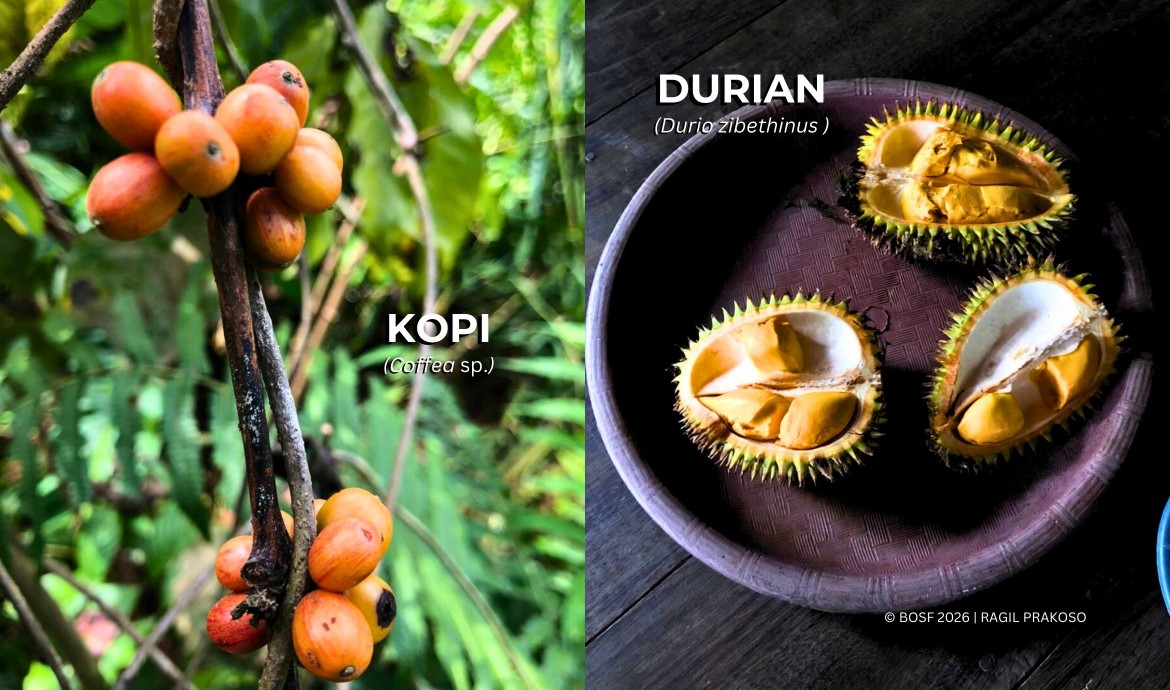
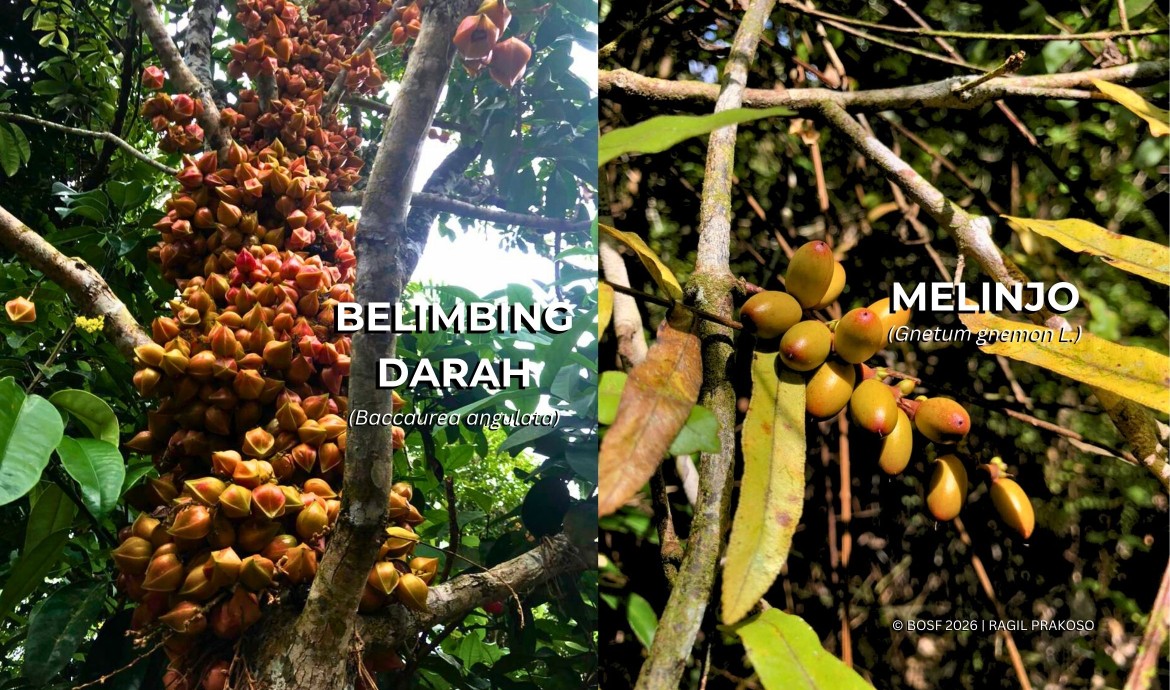
In line with the theme of World Wildlife Day, BOS Foundation’s empowerment programs position medicinal plants and non-timber forest products as a bridge connecting health, cultural heritage, and sustainable livelihoods. By strengthening community capacity to document, manage, and sustainably utilize natural resources, communities not only preserve ancestral knowledge but also open up environmentally friendly economic opportunities.
Read also: EMPOWERING COMMUNITIES WHILE PROTECTING FORESTS
This approach ensures that conservation does not stand apart from human well-being. On the contrary, forest protection becomes stronger when the communities that depend on it have fair roles, rights, and benefits.
By strengthening IPLCs, BOS Foundation promotes an inclusive conservation model in which Indigenous Peoples and local communities become key actors in protecting forests, conserving biodiversity, and safeguarding traditional knowledge that remains relevant to contemporary challenges, including health and resilience.
On this World Wildlife Day, stories from Central and East Kalimantan remind us that protecting wildlife and medicinal plants also means protecting people, cultures, and our shared future. Because when forests are cared for with awareness and respect, their benefits continue to flow from nature to sustain life.


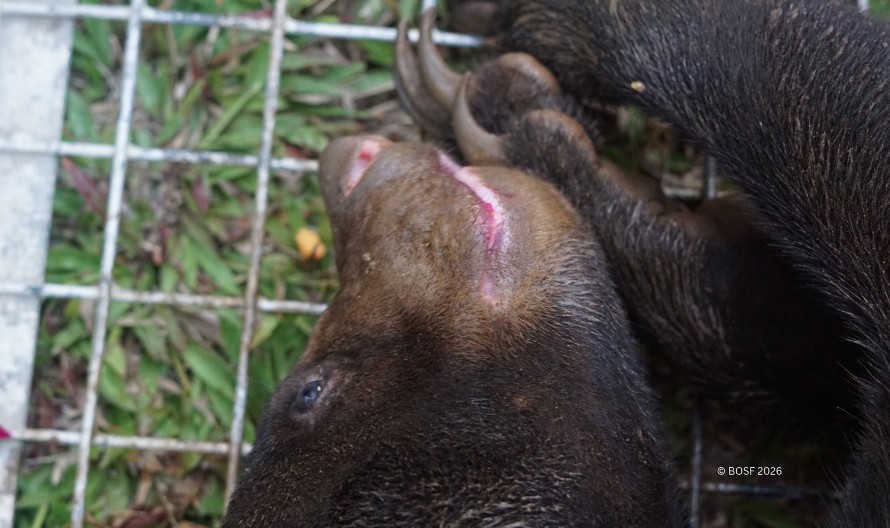
When habitat changes force sun bears into human settlements, swift rescue efforts are vital. Meet Rose, a young sun bear rescued in a weakened state, now receiving intensive care at Samboja Lestari.
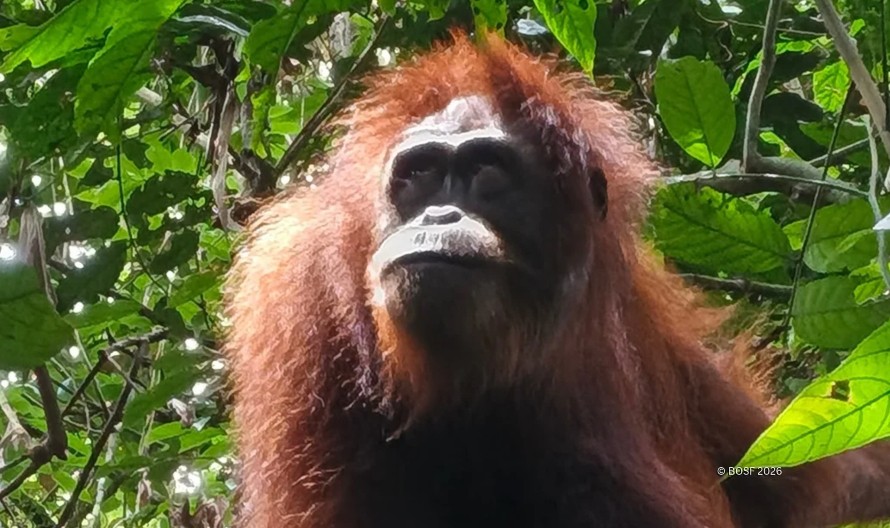
Post-release monitoring allows us to observe orangutans in the wild. Recent sightings of Meryl and Lykke in TNBBBR show both female orangutans actively foraging and displaying excellent nest-building skills.
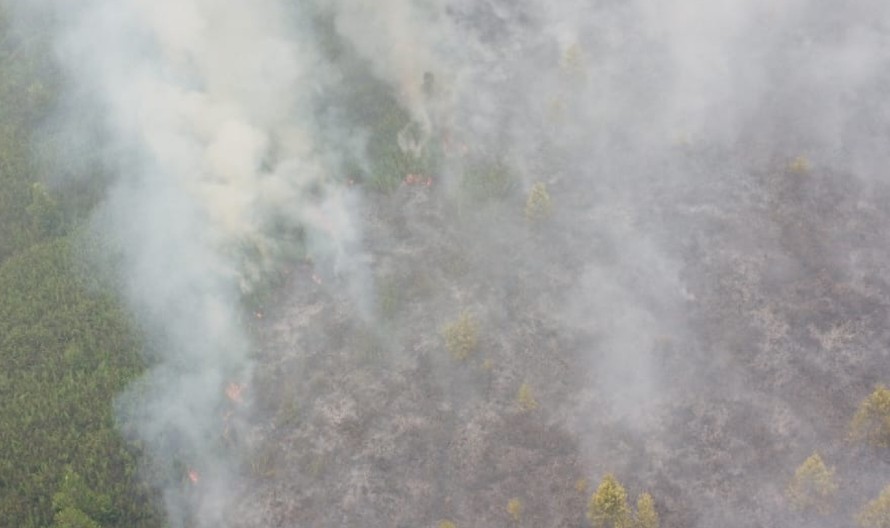
Forest fires create a hidden crisis for wildlife. Beyond destroying habitats, smoke exposure threatens orangutans' health, restricts food and water, and violates core animal welfare principles across Kalimantan's ecosystems.
