


ENCOUNTER WITH ORANGUTANS MERYL AND LYKKE
Post-release monitoring allows us to observe orangutans in the wild. Recent sightings of Meryl and Lykke in TNBBBR show both female orangutans actively foraging and displaying excellent nest-building skills.


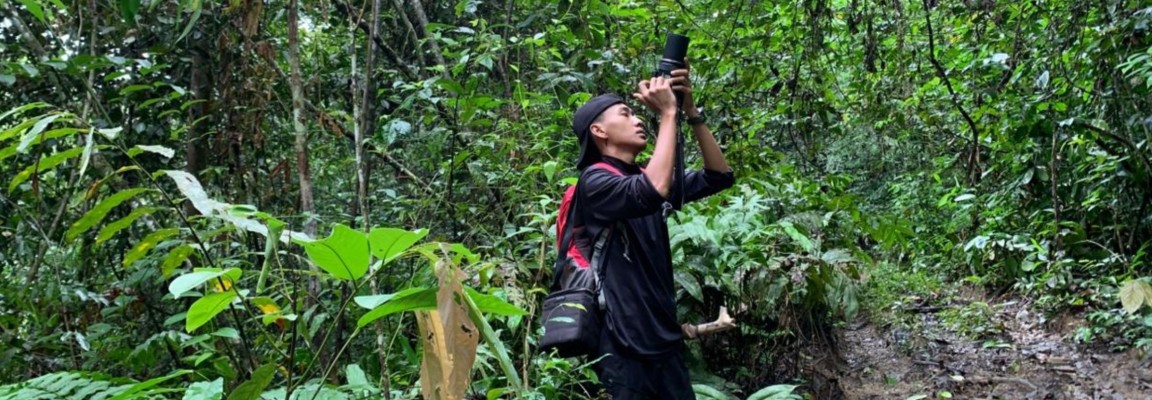
Behind the dense canopy of Kehje Sewen Forest, there is a group of people who walk not for adventure, nor for recognition. They walk to ensure that the forest continues to hold life, and that every creature living within it still has a home to return to. They are the Biodiversity Division team of Restorasi Habitat Orangutan Indonesia Programme ( PT. RHOI), a combined team from Post Release Monitoring (PRM) and Research and Biodiversity (RB).
This team carries a significant responsibility: monitoring individual orangutans, recording orangutan nests, and conducting biodiversity inventories, including observing various bird species that live freely in the forest canopy. For them, protecting the forest also means protecting all life that depends on it.
The expedition began on February 8, 2026, when the team started preparing their equipment. Every backpack they packed contained not only logistics but also responsibility. The following day, February 9, 2026, the team began their journey into the forest within the PT. RHOI concession area toward the campsite location.
The journey to the campsite was not short. They walked along forest trails while discussing and remembering the other team members who often supported operations through river routes using boats. In every conservation activity, many people are involved to ensure that operations run safely, including the boat operators who help transport people and supplies through the rivers.
By late afternoon, after walking for many kilometers, the team finally arrived at the campsite and began setting up their tents. That evening was spent cooking simple meals from their supplies while carefully planning the next day’s work.
The expedition team consisted of eight members: four observation team members, two navigators who also served as trailblazers, and two camp keepers who were responsible for staying at camp and preparing meals. The PRM observation team focused on recording orangutan presence and nests, including measuring various parameters such as nest height, tree height, tree diameter, and surrounding environmental conditions. Meanwhile, the Research and Biodiversity (RB) team focused on collecting bird data at designated monitoring stations.
In the forest, there is no rooster crowing to signal the morning. However, their bodies were already accustomed to waking up before sunrise. The morning began with preparing breakfast and packed lunches. At exactly 08:00, work began with the goal of reaching transect L1, a new route that would be opened for monitoring activities.
The journey began by clearing small pathways so they could pass more easily. At first, they thought the route would not be too far, but in reality, the journey was long and exhausting. They had to walk along rivers, cross small springs, and climb steep hills that drained their energy.
After a long journey, the team finally reached the entrance of transect L1. The navigators moved ahead first to open the path and save time, while the rest of the team stayed alert and observed the surrounding environment. Around 15:00, they reached the end of the transect. However, the weather suddenly changed. Strong winds arrived followed by heavy rain that poured through the forest.
For safety reasons, the team decided to return to camp as quickly as possible so they would remain fit for the next day’s activities.
Interestingly, the return journey felt much faster. They arrived at camp around 17:00, completely soaked, but grateful that everyone remained healthy and unharmed.
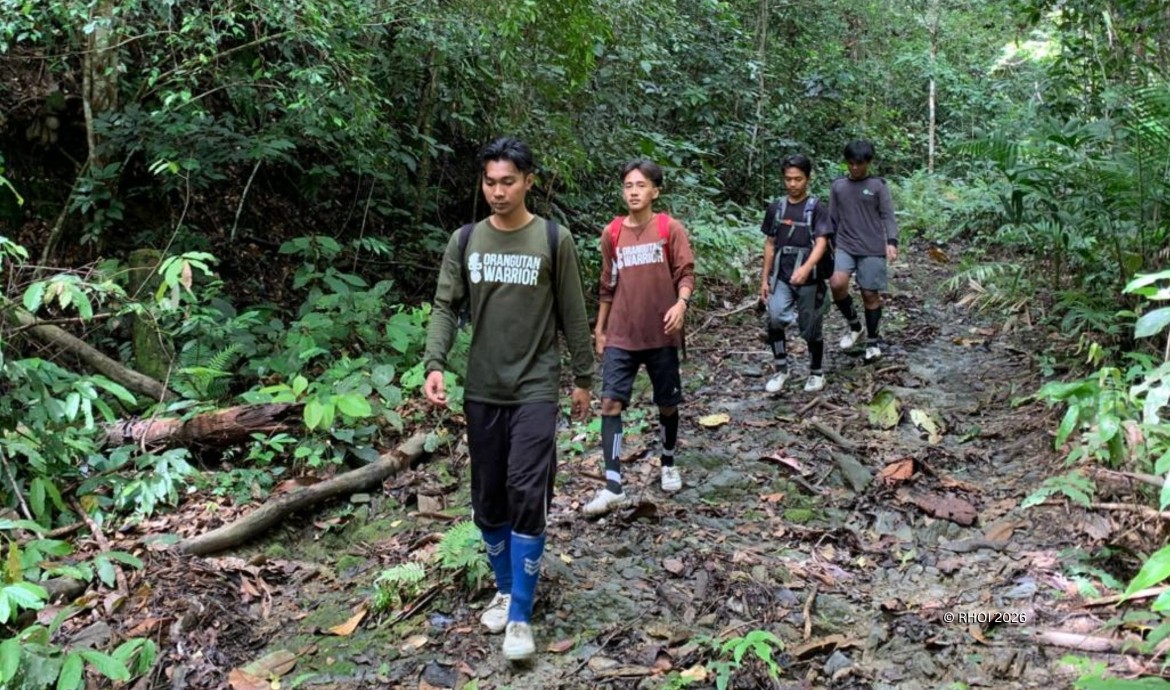
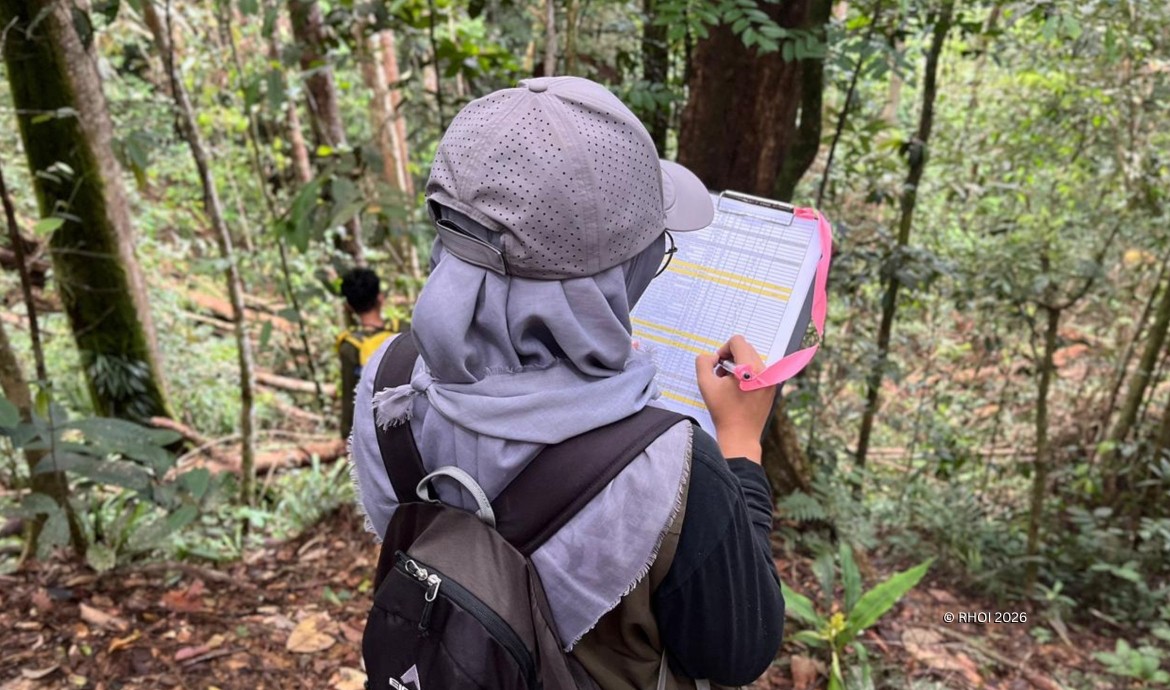
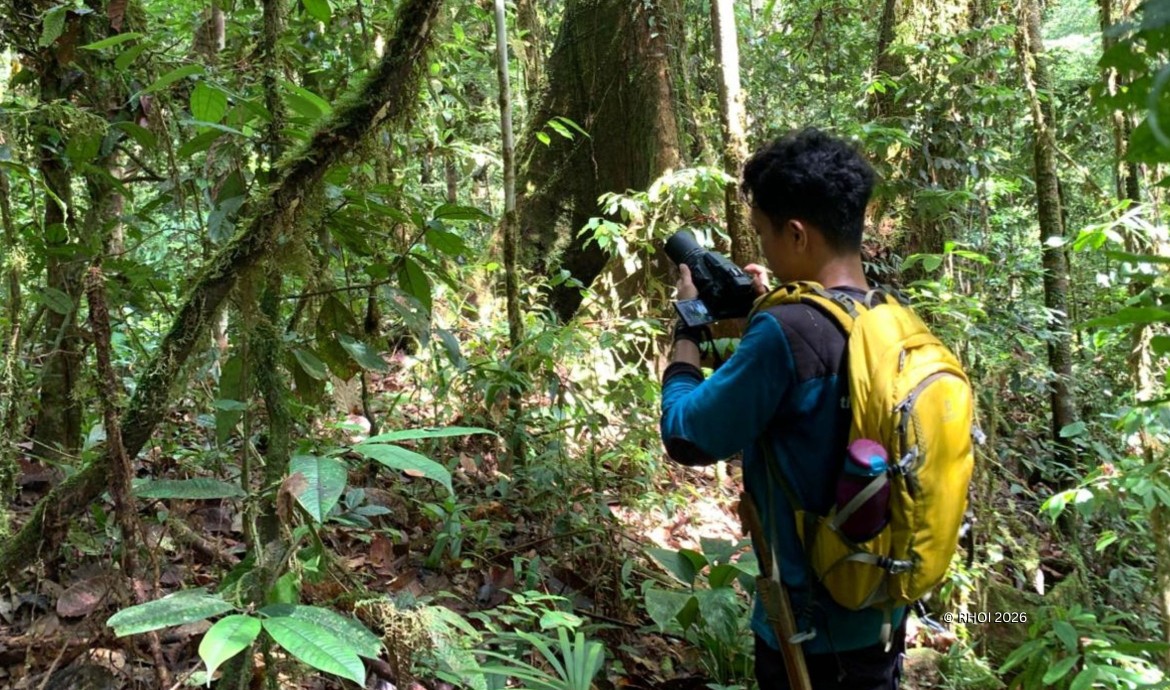
The next day, February 10, 2026, the team prepared to open another transect, K1. The route to the transect entrance was not too far from camp, which made the start of the journey feel lighter.
The working method remained the same: the navigators walked ahead to open the path, while the rest of the team followed and conducted observations along the way. In the middle of the journey, the team arrived at a very beautiful area—a vast field of ferns stretching as far as the eye could see. The scenery made them stop for a moment to rest and enjoy the calm atmosphere of the forest.
However, the journey did not go as planned. The GPS direction showed that the route they needed to follow led directly into the dense fern field surrounded by steep terrain. The navigators tried to find an alternative route and briefly found a path that seemed possible, but soon the path was blocked again by thick ferns on both sides.
The team had to move slowly through narrow gaps between tall and dense ferns. Hours were spent in the fern field, yet they still could not find the end of it. Time kept moving, and by 15:00, the team realized it would not be possible to reach the end of transect K1.
With disappointment, they finally decided to return to camp before dark. That day ended with exhaustion and disappointment because the target had not been achieved.
Orangutan monitoring expeditions and biodiversity inventories are not just about numbers, data sheets, or reports. Behind every piece of data collected, there are long journeys, difficult terrain, unpredictable weather, and the dedication and energy of the team.
However, all of this is part of a larger effort to ensure that released orangutans can continue to be monitored and that Kehje Sewen Forest remains a safe home for wildlife and plant life.
Sometimes plans do not go as expected, routes cannot always be completed, and targets are not always achieved. But like a forest that grows slowly, conservation work also requires patience, persistence, and collaboration.
Because in the end, every step they take in the forest has the same purpose: to ensure that the forest remains, and that all life within it continues to have a place to return home.


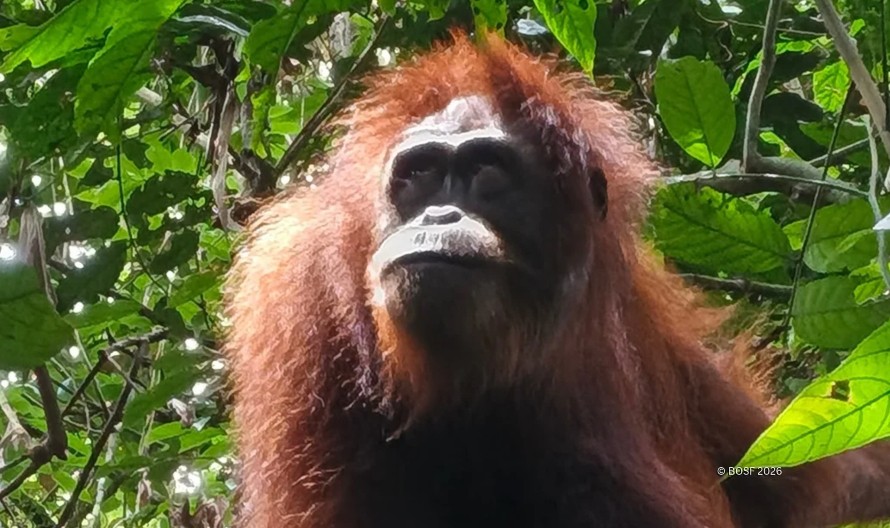
Post-release monitoring allows us to observe orangutans in the wild. Recent sightings of Meryl and Lykke in TNBBBR show both female orangutans actively foraging and displaying excellent nest-building skills.
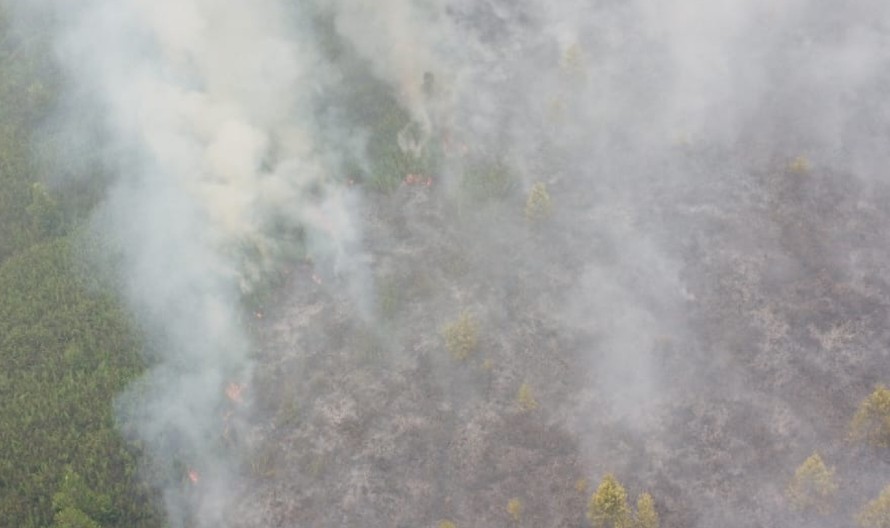
Forest fires create a hidden crisis for wildlife. Beyond destroying habitats, smoke exposure threatens orangutans' health, restricts food and water, and violates core animal welfare principles across Kalimantan's ecosystems.
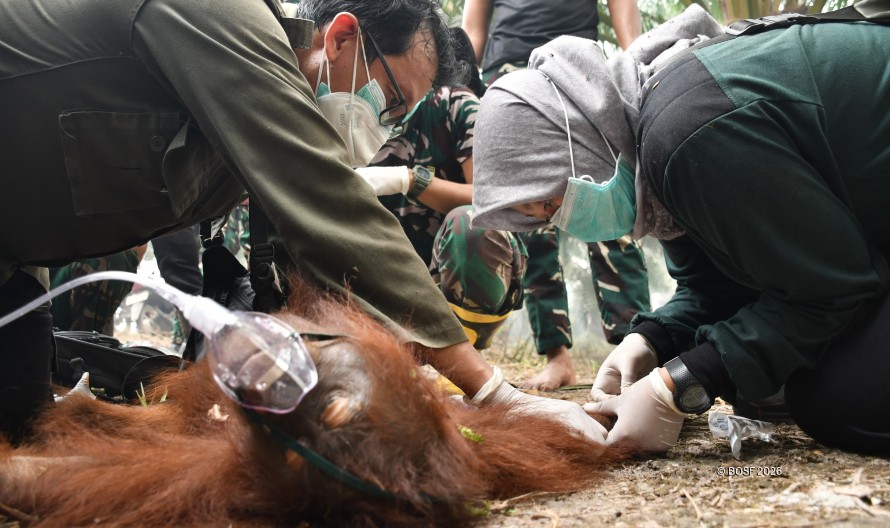
When forest fires strike, orangutans face a deadly fight for survival. Trapped atop a burning tree in Central Kalimantan, baby orangutan Novita was rescued through a joint emergency effort by BKSDA, BOS Foundation, TNI AD, and local residents.
