Forests store an abundance of resources that are highly valuable to humans, and many of which are yet to be discovered. On Juq Kehje Swen Island in East Kalimantan, our monitoring team has stumbled across something that has numerous benefits for humans. What could it be?
Located about 10 kilometres from the Kehje Sewen Forest, Juq Kehje Swen is a forested island covering an area of 82.84 hectares, made possible through a collaborative effort between the BOS Foundation and PT. Nusaraya Agro Palm Oil (NUSA). This island is utilised to accommodate orangutans who are undergoing the pre-release stage of rehabilitation. The island currently holds two orangutans: Desi and Kimi. Desi completed all levels of Forest School at Samboja Lestari and is currently undergoing the final stage of the rehabilitation process, while Kimi is a wild orangutan living in the island's forest.
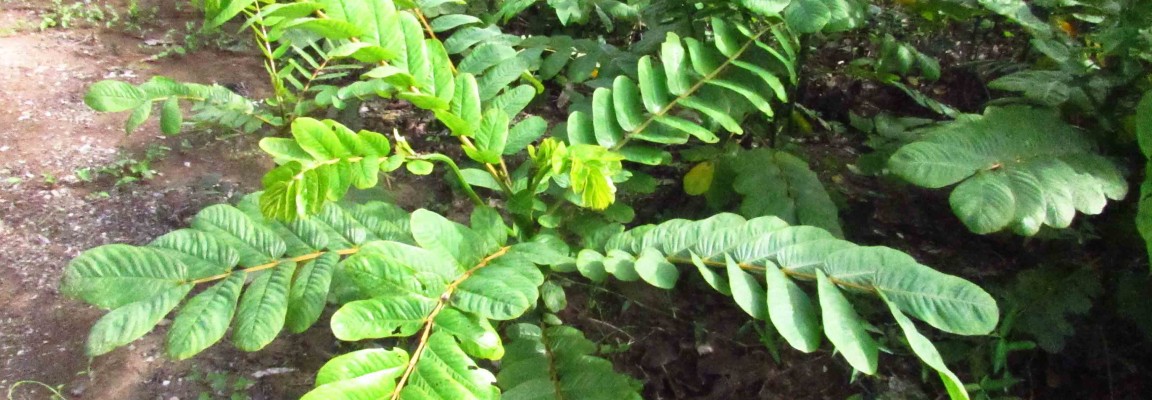
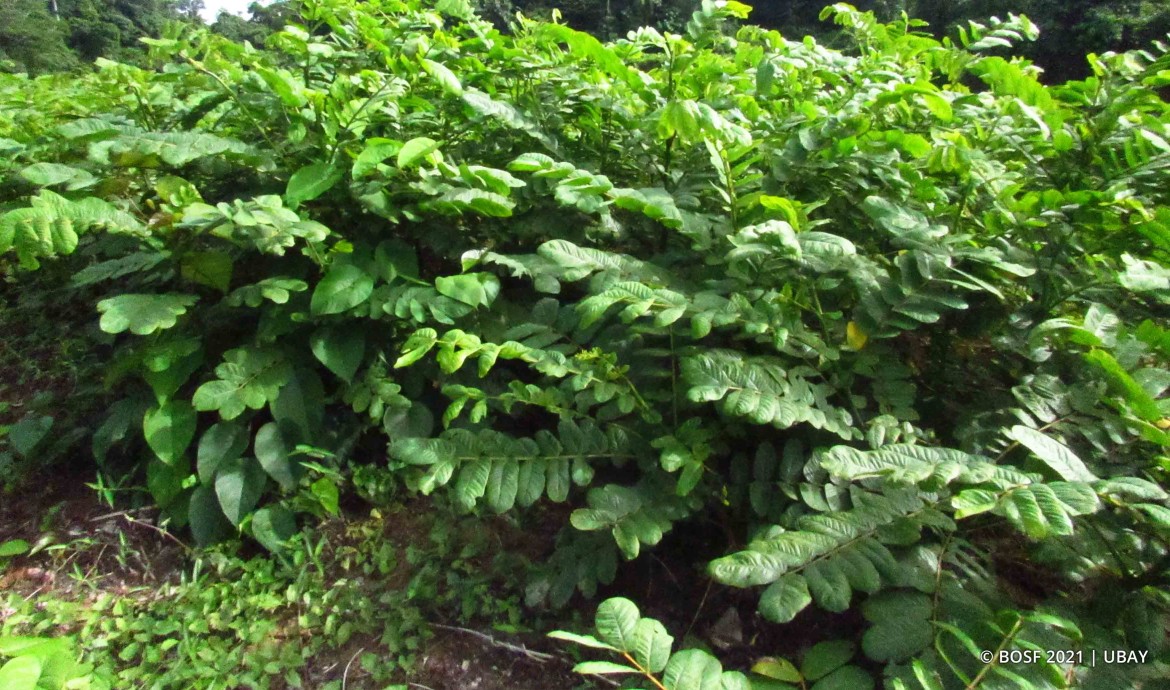
Our monitoring team at Juq Kehje Swen Island not only observes these two orangutans, but also regularly conducts phenological surveys to collect plant data and record development. While recently conducting this survey, our team members noted a hidden treasure on the island - a medicinal plant species with extraordinary benefits called Senna Alata, known locally as Ketepeng Cina. This plant is found along the banks of the Wahau River, but we suspect there are more places it is present.
According to multiple sources, the leaves of the Ketepeng Cina have extraordinary and diverse medical benefits. The leaves can be used as a laxative, anthelmintic (antiparasitic), antifungal, antidiabetic, anti-inflammatory, anticancer, and hepatoprotective (preventing liver damage). These diverse properties are thought to be due to the various chemicals and components found in fresh Ketepeng Cina, including tannins, phenolics, cinnamic acid, saponins, alkaloids, flavonoids, quinones, and anthraquinone glycosides.
There are still many studies being conducted to identify the full list of benefits this wild plant can offer to humans. However, local people have long used it to treat itchy skin, malaria, and sprues. The older generation in Kalimantan know how to warm a few leaves and then grind them into a paste, to be applied to itchy skin as treatment. For internal diseases or sprues, elders will boil the leaves, then drink the remaining water or gargle it as a medicine.
The various medicinal benefits of this plant show us that forests can be filled with treasures. Therefore, we must not overlook the preservation of our forests and all biodiversity within them!