


RESCUING ROSE, FOUND IN A WEAKENED STATE
When habitat changes force sun bears into human settlements, swift rescue efforts are vital. Meet Rose, a young sun bear rescued in a weakened state, now receiving intensive care at Samboja Lestari.


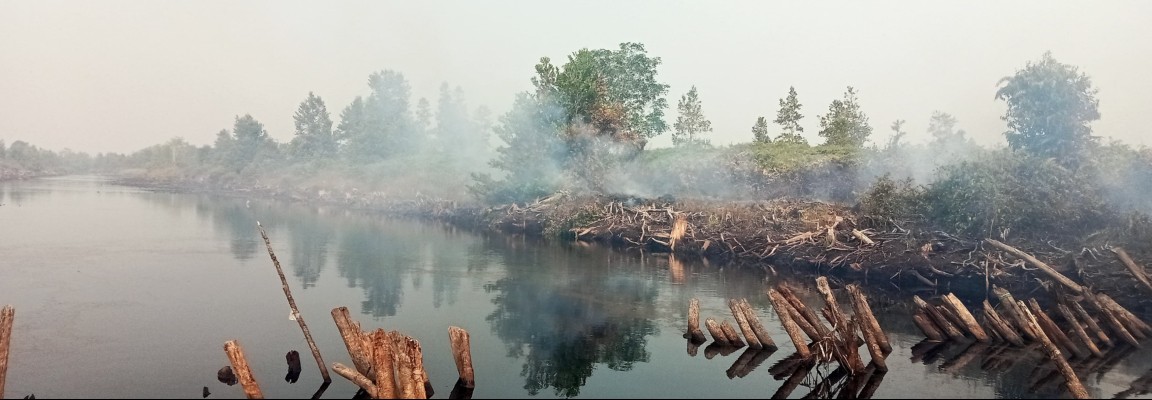
Condition of Orangutans, Habitats, and Forest and Land Fire Responses in Central Kalimantan and East Kalimantan | September 2026
Based on the latest monitoring results, the BOS Foundation (BOSF) orangutan rehabilitation centers and release sites remain operational and safe from the direct impact of forest and land fires (karhutla).
In Central Kalimantan, Nyaru Menteng as well as Kaja and Bangamat pre-release islands have not been directly affected by the fires. To date, no orangutan evacuations have been carried out due to direct threats or impacts from karhutla. In East Kalimantan, Samboja Lestari and the Kehje Sewen release site also remain in safe conditions. Likewise, according to recent monitoring, the Bukit Batikap Protection Forest and the release areas in Bukit Baka Bukit Raya National Park (TNBBBR) in Central Kalimantan currently face no direct threat of fire.
However, conditions in the Mawas Conservation Area remain a matter of serious concern. Approximately 49.5 hectares of the Mawas conservation area have been affected by fire. As a peatland landscape, Mawas requires special attention because fires in peatlands can be difficult to detect and extinguish, and can continue to smolder below the ground surface. Beyond causing direct loss of vegetation, fires can also alter the ecological functions of the forest, including food availability and habitat quality for orangutans and other wildlife.
The impact of karhutla is not limited to areas directly reached by flames. Smoke and haze can travel beyond fire zones and affect respiratory health, while prolonged smoke exposure can also influence the behavior and daily activities of wildlife.
The prolonged dry season has also affected water levels around the pre-release islands. As river levels recede, the reduced function of rivers as natural barriers allows some orangutans to leave the islands. To date, 11 orangutans have been safely evacuated and returned to the Nyaru Menteng Orangutan Rehabilitation Center for further care and monitoring.
Currently, 21 orangutans (see APPENDIX 1) display respiratory symptoms consistent with Acute Respiratory Tract Infections (ARI/ISPA), including coughing, sneezing, and nasal discharge. The BOSF veterinary and animal welfare teams continue to monitor their condition and provide appropriate care and treatment based on each individual's needs.
Forest School activities currently continue as usual, with orangutans spending up to seven hours in the forest. However, should haze conditions deteriorate, the duration of Forest School activities will be re-evaluated as a precautionary measure, with orangutan health and welfare as the primary consideration.
BOSF maintains high readiness across all operational areas. The team conducts regular hotspot monitoring using satellite data combined with ground observations, patrols fire-prone areas, inspects boundary lines and firebreaks, and monitors water sources, canals, and other infrastructure needed for firefighting efforts.
Fire response teams and firefighting equipment remain on standby, with resources deployed according to the risk level at each location. BOSF also continues to coordinate with relevant government agencies, local communities, and other stakeholders to strengthen early warning, prevention, and fire response systems.
BOSF’s approach is grounded in the principle that prevention and early detection are more effective than waiting until fires reach orangutan habitats or facilities. Therefore, monitoring focuses not only on the presence of fire, but also on conditions that could heighten fire risk, including prolonged droughts and haze.
In Central Kalimantan, the BOSF Fire Task Force is also supporting firefighting efforts in areas surrounding Palangka Raya, including locations situated more than 10 kilometers from the Nyaru Menteng Orangutan Rehabilitation Center. Thus, the team focuses not only on fire prevention and readiness within BOSF operational zones, but also assists the Central Kalimantan Natural Resources Conservation Agency (BKSDA Kalteng) and the Central Kalimantan Provincial Forestry Service in responding to fires in various locations.
This support includes firefighting efforts both within designated conservation areas (KSA/KPA)—such as wildlife sanctuaries and other zones specifically earmarked for conservation—and outside these areas, where fires still pose a threat to surrounding forests, communities, and ecosystems.
Through this collaboration, BOSF field teams contribute their experience, personnel, and firefighting capacity to support broader landscape-scale karhutla responses in Central Kalimantan.
|
Date |
Name |
Group |
Observed Symptoms |
Observation Time |
Handling |
|
16-Aug-2026 |
Dana |
Quarantine |
Sneezing and coughing |
|
|
|
17-Aug-2026 |
Dana |
Quarantine |
Sneezing and coughing |
Morning |
Vitamin C administration |
|
Rabia |
Forest School |
Sneezing and coughing |
Morning |
Vitamin C administration |
|
|
Hanua |
Forest School |
Sneezing with nasal discharge |
Afternoon |
Vitamin C administration |
|
|
Sepanser |
Forest School |
Sneezing with nasal discharge |
Afternoon |
Vitamin C administration |
|
|
18-Aug-2026 |
Rambo |
Forest School |
Sneezing with nasal discharge |
Afternoon |
Vitamin C administration |
|
20-Aug-2026 |
Hanua |
Forest School |
Sneezing with nasal discharge |
Late afternoon |
Vitamin C administration |
|
Dana |
Quarantine |
Coughing |
Late afternoon |
Vitamin C administration |
|
|
Rumba |
Forest School |
Coughing |
Late afternoon |
Vitamin C administration |
|
|
Momo |
Forest School |
Dry cough |
Night |
Right lung auscultation slightly coarse |
|
|
21-Aug-2026 |
Rambo |
Forest School |
Sneezing with nasal discharge |
Afternoon |
Vitamin C administration |
|
22-Aug-2026 |
Momo |
Forest School |
Sneezing with nasal discharge |
Morning |
Active |
|
Selvi |
Forest School |
Sneezing with nasal discharge |
Morning |
Active |
|
|
Dui/Edoy |
Enklosur |
Coughing |
Late afternoon |
Vitamin C administration |
|
|
Sandra |
Enklosur |
Dry cough |
Morning |
Vitamin C administration |
|
|
23-Aug-2026 |
Ninik |
Forest School |
Frequent sneezing |
Afternoon |
Honey administration |
|
25-Aug-2026 |
Hercules |
Enklosur |
Coughing |
Morning |
Vitamin C administration |
|
Sebabi |
Enklosur |
Coughing |
Morning |
Vitamin C administration |
|
|
26-Aug-2026 |
Yutris |
Enklosur |
Coughing |
Late afternoon |
(-) |
|
Jojon |
Forest School |
Coughing |
Morning |
(-) |
|
|
Pororo |
Forest School |
Coughing |
Morning |
(-) |
|
|
Rumba |
Forest School |
Coughing |
Late afternoon |
(-) |
|
|
27-Aug-2026 |
Selfie |
Forest School |
Coughing |
Morning |
Vitamin C administration |
|
Jojon |
Forest School |
Sneezing |
Late afternoon |
(-) |
|
|
28-Aug-2026 |
Uncul |
Enklosur |
Coughing |
Morning |
(-) |
|
Popeye |
Enklosur |
Coughing |
Morning |
(-) |
|
Date |
Name |
Group |
Observed Symptoms |
Observation Time |
Handling |
|
|
Rambo |
Forest School |
Sneezing with nasal discharge |
Morning-afternoon |
Vitamin C administration |
|
Muni |
Forest School |
Coughing |
Afternoon |
Vitamin C administration |
|
|
Rumba |
Forest School |
Coughing |
Late afternoon |
Vitamin C administration |
|
|
Dana |
Forest School |
Coughing |
Morning-afternoon |
Vitamin C administration |
|
|
29-Aug-2026 |
Hanua |
Forest School |
Coughing |
Morning |
(-) |
|
Rambo |
Forest School |
Sneezing with nasal discharge |
Morning-afternoon |
Vitamin C administration |
|
|
Pororo |
Forest School |
Sneezing |
Afternoon |
Vitamin C administration |
|
|
Selfie |
Forest School |
Coughing |
Late afternoon |
Vitamin C administration |
|
|
30-Aug-2026 |
Dana |
Forest School |
Sneezing |
Morning |
(-) |
|
Pororo |
Forest School |
Coughing |
Morning-late afternoon |
Vitamin C administration |
|
|
Laura |
Enklosur |
Coughing with nasal discharge |
Morning |
(-) |
|
|
|
|
|
|
|
|
|
TOTAL ORANGUTANS |
21 |
|
|
||


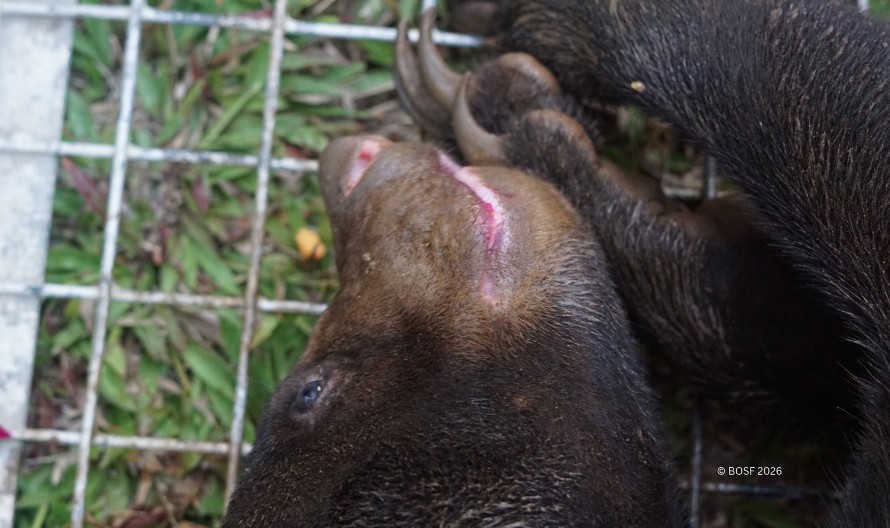
When habitat changes force sun bears into human settlements, swift rescue efforts are vital. Meet Rose, a young sun bear rescued in a weakened state, now receiving intensive care at Samboja Lestari.
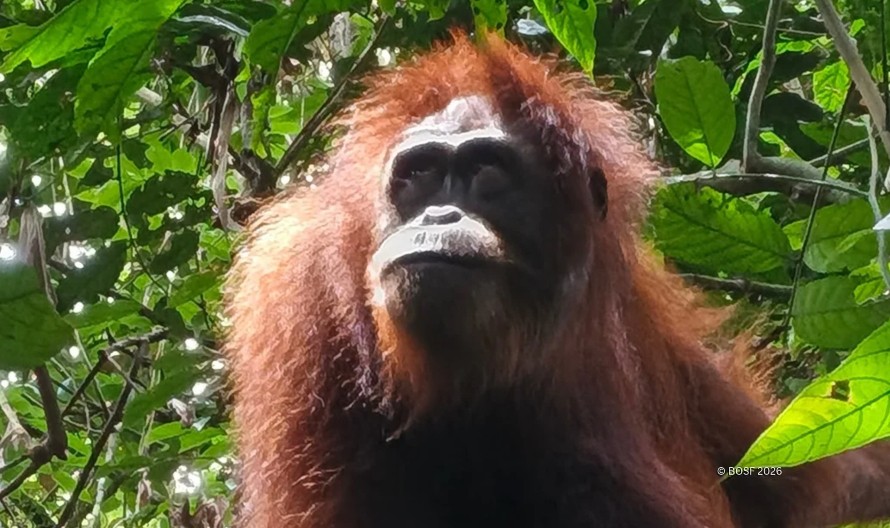
Post-release monitoring allows us to observe orangutans in the wild. Recent sightings of Meryl and Lykke in TNBBBR show both female orangutans actively foraging and displaying excellent nest-building skills.
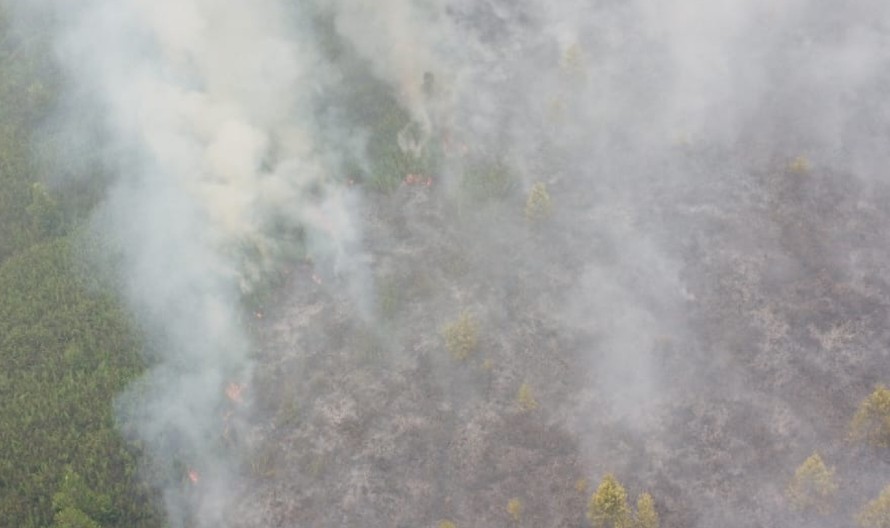
Forest fires create a hidden crisis for wildlife. Beyond destroying habitats, smoke exposure threatens orangutans' health, restricts food and water, and violates core animal welfare principles across Kalimantan's ecosystems.
