


RESCUING ROSE, FOUND IN A WEAKENED STATE
When habitat changes force sun bears into human settlements, swift rescue efforts are vital. Meet Rose, a young sun bear rescued in a weakened state, now receiving intensive care at Samboja Lestari.


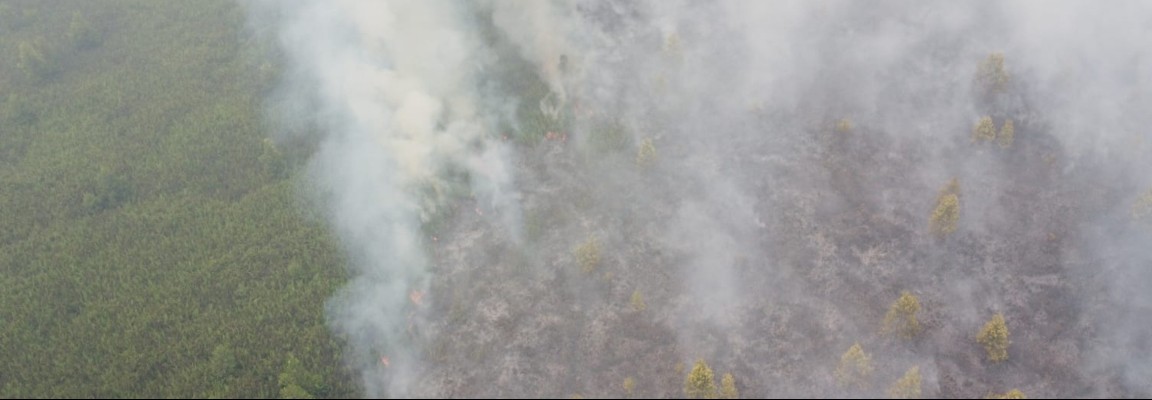
When forest and land fires (karhutla) occur, attention is generally focused on the extent of the burned area and the resulting economic impact. Yet, there is another crisis felt by wildlife and orangutans. Fires not only threaten their habitat, but can also disrupt their health, access to food and water, and their ability to carry out natural behaviors.
An equally dangerous threat comes from smoke, which can spread far beyond the burned areas, following wind direction and conditions.
The impact of karhutla is not felt only in the burned territories. Smoke can be carried by the wind and affect surrounding areas, including habitats not directly impacted by fire. For wildlife exposed to smoke over long periods, this condition can cause health issues, particularly in the respiratory system.
The impacts of fires can also last much longer than the presence of the fire itself. As vegetation burns and food sources diminish, orangutans and other wildlife may face difficulties finding food. Habitat damage can also reduce water availability and force animals to relocate to find remaining resources.
This situation becomes even more complex in peatland ecosystems. Peat fires can spread and persist beneath the soil surface, making them difficult to detect and fully extinguish. Even when surface fires have been successfully controlled, subterranean hotspots can re-emerge and trigger secondary fires.
Under certain conditions, aerial firefighting operations, including water bombing, can be utilized as part of the fire suppression strategy, particularly in locations difficult to reach by land. However, its effectiveness depends on terrain conditions, fire types, access to water sources, and the firefighting strategies applied by field teams.
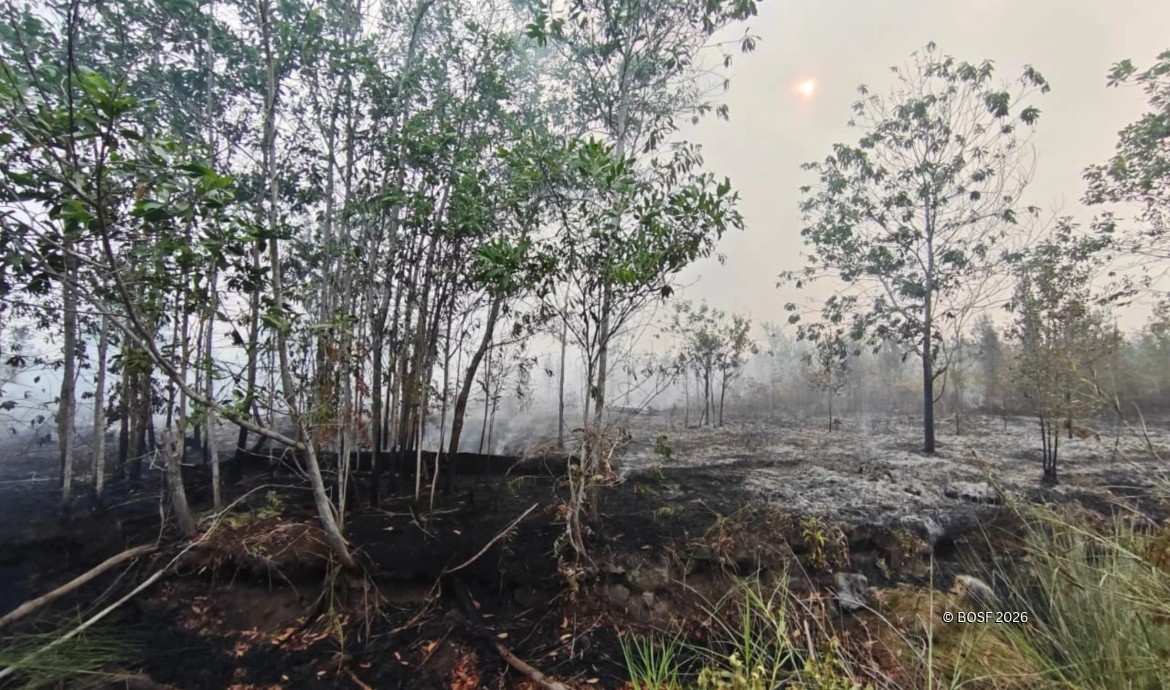
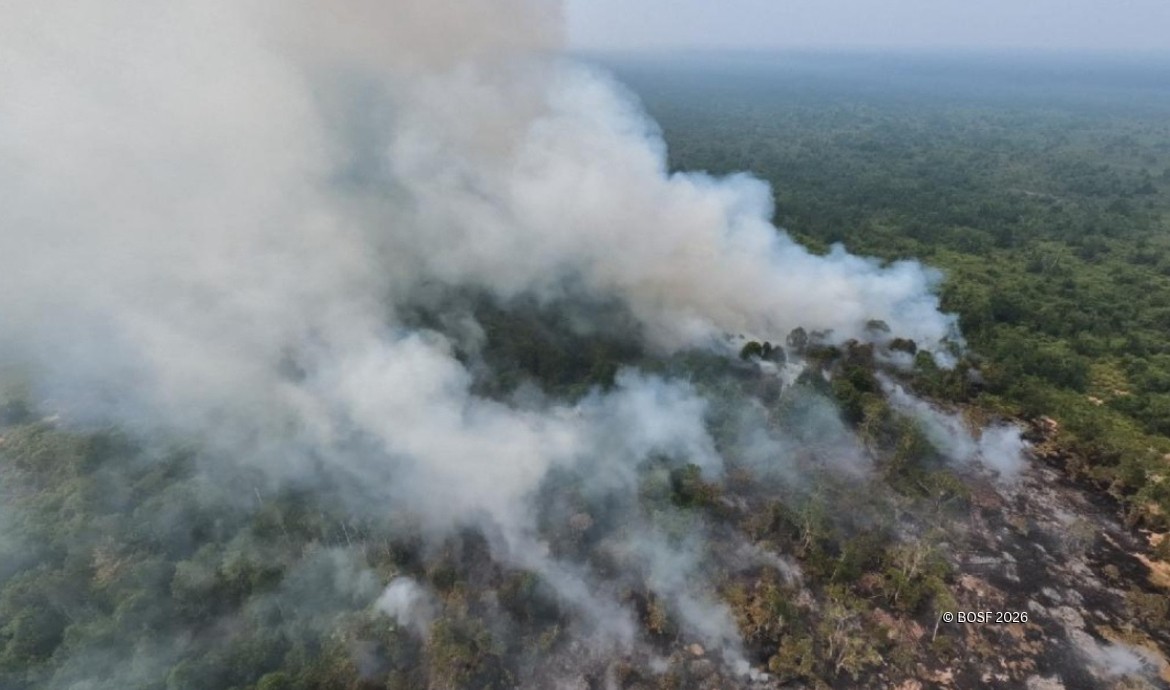
The impact of karhutla affects various aspects of animal welfare. One way to understand this is through the Five Freedoms framework, which includes freedom from hunger and thirst, freedom from discomfort, freedom from pain, injury, and disease, freedom from fear and distress, and freedom to express normal behavior.
The destruction of vegetation by fire can eliminate or reduce available food sources for orangutans. Habitat damage also alters water source availability, forcing animals to travel farther to meet their basic needs. When food and water sources become increasingly scarce, orangutans face additional pressure to leave their home ranges and search for resources in other areas.
Thick smoke lowers air quality and visibility within the forest. Smoke exposure can cause eye irritation and respiratory tract issues, especially if prolonged. For orangutans in affected areas, these conditions also disrupt daily activities, including foraging, moving through the canopy, and resting.
Risks to animal health do not stem solely from direct contact with fire. Orangutans in burned areas can sustain burns while attempting to move through fire-affected terrain. Meanwhile, long-term smoke exposure increases the risk of acute respiratory infections (ARI). Post-fire changes in ground conditions, including unstable ground or holes in peat areas, present additional hazards for passing wildlife.
Fires bring drastic environmental changes. Flames, heat, dense smoke, the sound of firefighting operations, and the loss of shelter can all cause distress for wildlife. This situation triggers stress responses and disrupts normal activity patterns, particularly as animals must continually relocate to find safer ground. Over time, this compromised psychological state weakens their immune systems, making them more vulnerable to disease.
Habitat damage from fires limits the space available for orangutans to roam, forage, build nests, and perform their natural behaviors. As resources within the habitat become scarce, orangutans may be pushed out of forest areas into plantations or human settlements to find food, ultimately increasing the potential for human-wildlife conflict.
Saving orangutans and tackling karhutla in Kalimantan is not the responsibility of a single organization. When fires strike critical habitats, especially hard-to-reach areas, coordination and support from various parties are required to ensure fires are addressed while minimizing their impacts on wildlife.
A swift response to karhutla must also be followed by monitoring affected wildlife. Saving orangutans does not stop when the fire is extinguished and the smoke clears. Health conditions, food availability, habitat security, and potential conflicts with humans still require careful attention throughout the recovery process.
The subsequent work truly begins when the fire ends. Burned forests take time to recover and provide conditions that support wildlife. Therefore, prevention and early detection efforts, including mapping high-risk areas, monitoring environmental conditions, analyzing wind direction, and employing technology such as drones are essential parts of reducing the risk of recurring fires.


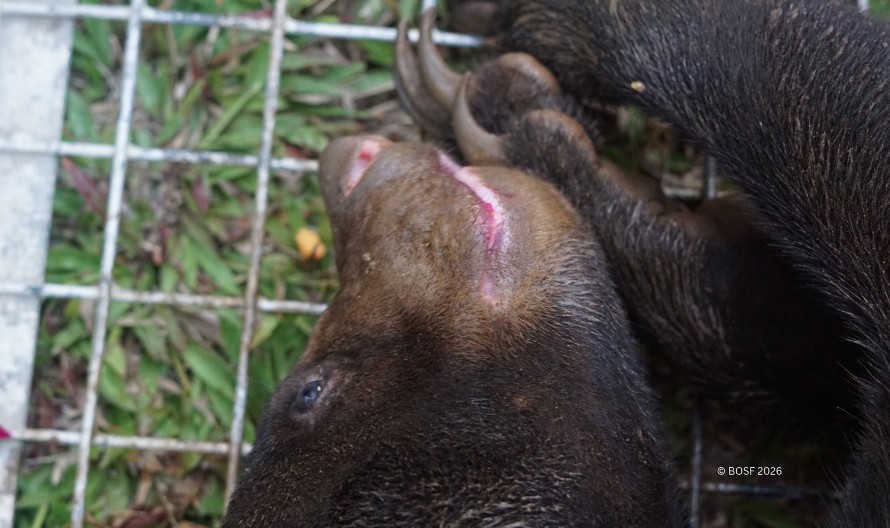
When habitat changes force sun bears into human settlements, swift rescue efforts are vital. Meet Rose, a young sun bear rescued in a weakened state, now receiving intensive care at Samboja Lestari.
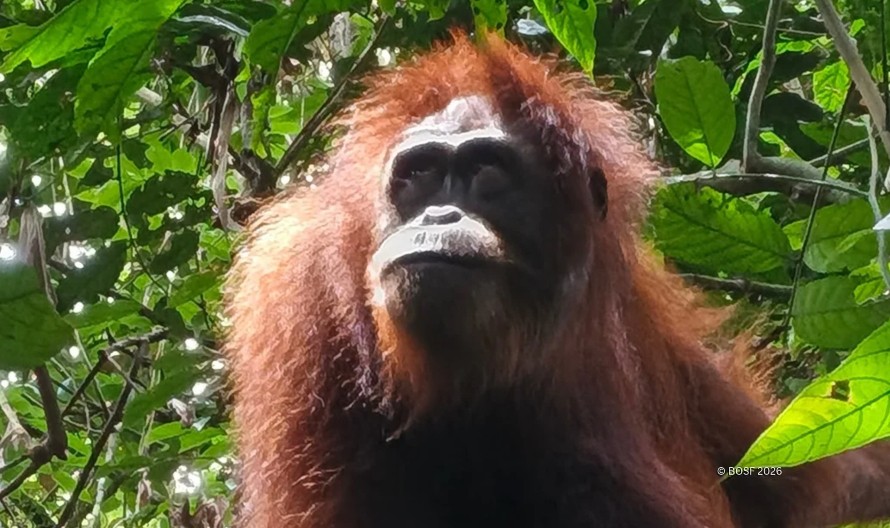
Post-release monitoring allows us to observe orangutans in the wild. Recent sightings of Meryl and Lykke in TNBBBR show both female orangutans actively foraging and displaying excellent nest-building skills.
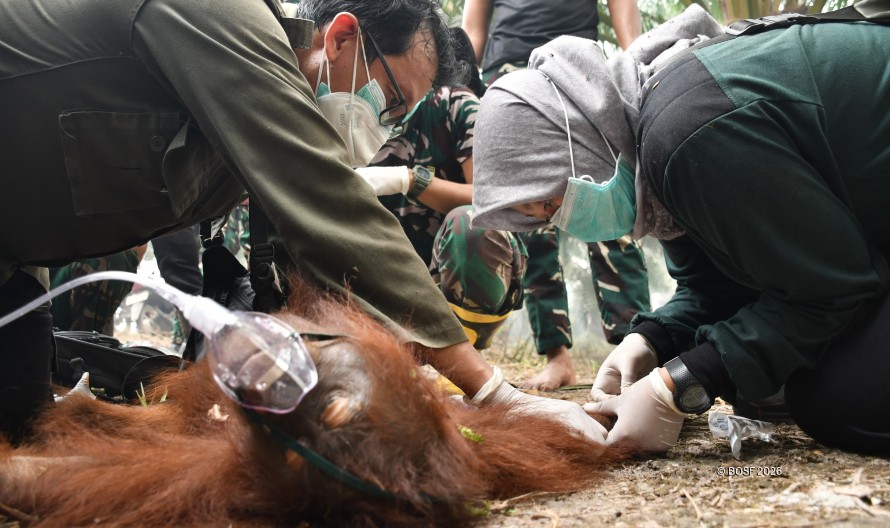
When forest fires strike, orangutans face a deadly fight for survival. Trapped atop a burning tree in Central Kalimantan, baby orangutan Novita was rescued through a joint emergency effort by BKSDA, BOS Foundation, TNI AD, and local residents.
