


ENCOUNTER WITH ORANGUTANS MERYL AND LYKKE
Post-release monitoring allows us to observe orangutans in the wild. Recent sightings of Meryl and Lykke in TNBBBR show both female orangutans actively foraging and displaying excellent nest-building skills.


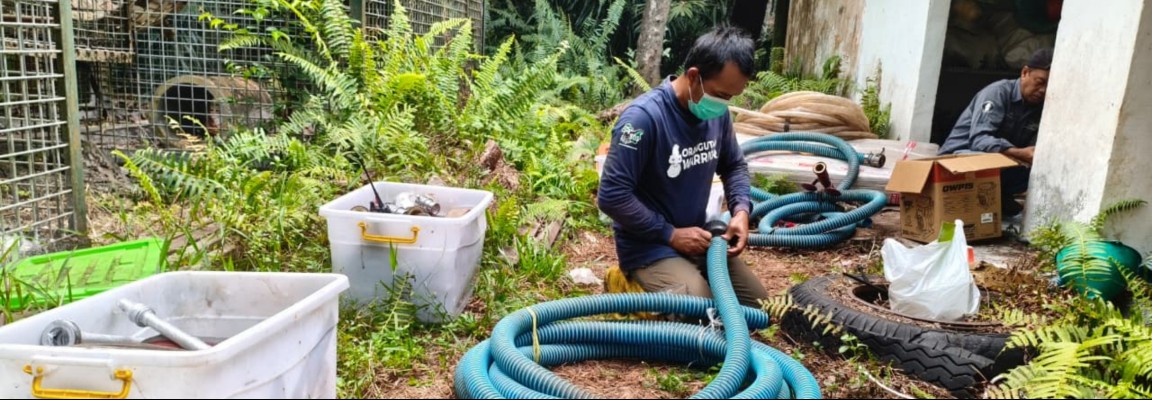
In peatland ecosystems, wildfire response success is often determined long before the first hotspot appears. As the dry season approaches and peat begins to lose moisture, every piece of equipment must be ready, and every team member must be prepared to respond. For the Village Fire Team (Regu Pemadam Kebakaran/RPK), preparedness is essential to protecting forests and peatland ecosystems.
Before the peak of the dry season, RPK members routinely inspect all firefighting equipment. Water pumps are tested to ensure the engines are operating properly and can deliver sufficient pressure. Suction and discharge hoses are carefully checked for leaks, while nozzles are cleaned to maintain optimal water flow during emergency operations.
Personal protective equipment is equally important. Helmets, rubber boots, gloves, respirators, and other safety gear are inspected to ensure everything is in good condition and ready for immediate deployment.
These routine inspections help minimize the risk of equipment failure when the team is called to respond to a wildfire.
Equipment alone is not enough. RPK members also conduct regular wildfire response simulations to strengthen coordination and maintain operational readiness.
During these exercises, each team member performs a specific role, from operating water pumps and connecting hoses to managing water distribution and maintaining communication in the field. Repeated training helps ensure that every procedure can be carried out quickly and efficiently when a real emergency occurs.
For the RPK, these simulations are not simply drills, they are opportunities to build teamwork, improve coordination, and prepare for the challenges of working in remote peatland environments.
Peatlands differ significantly from mineral soils. Once they become dry, the organic layer can burn below the surface, making fires far more difficult and time-consuming to extinguish.
For this reason, preparedness is a fundamental part of wildfire prevention. Maintaining reliable equipment, strengthening team coordination, and ensuring personnel are ready to respond are all essential steps taken before the fire season reaches its peak.
For the RPK, success is measured not only by the fires they extinguish but also by how well they prepare before an emergency occurs.
Also read:
Peat fires can continue smoldering beneath the ground even after surface flames appear to have been extinguished. This is why peatland fires require specialized suppression techniques, sufficient water supplies, and continued monitoring to ensure no underground hotspots remain


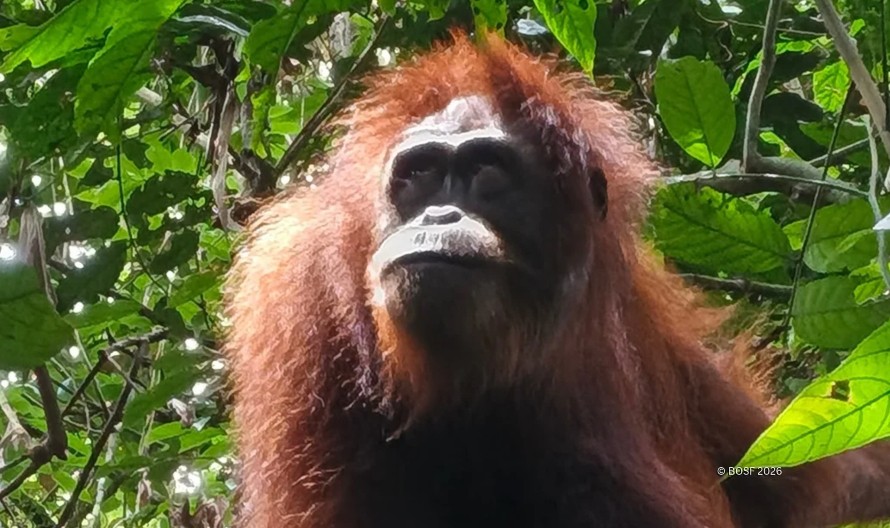
Post-release monitoring allows us to observe orangutans in the wild. Recent sightings of Meryl and Lykke in TNBBBR show both female orangutans actively foraging and displaying excellent nest-building skills.
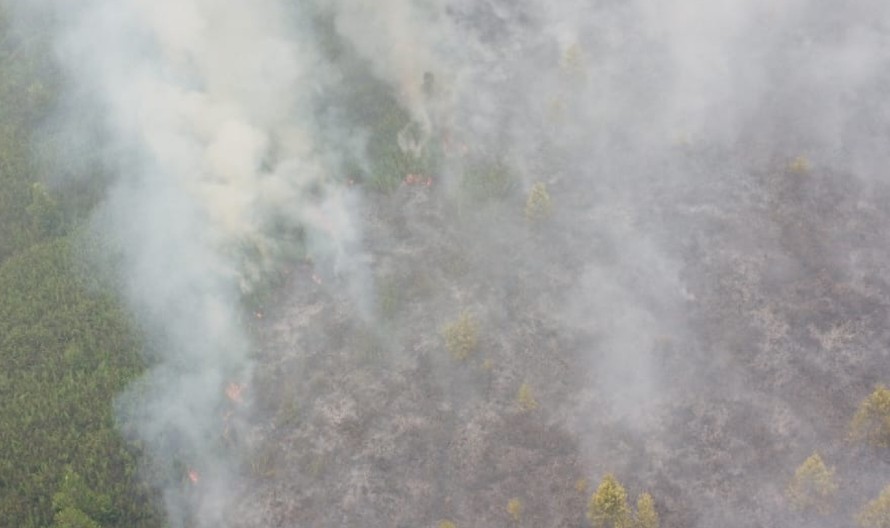
Forest fires create a hidden crisis for wildlife. Beyond destroying habitats, smoke exposure threatens orangutans' health, restricts food and water, and violates core animal welfare principles across Kalimantan's ecosystems.
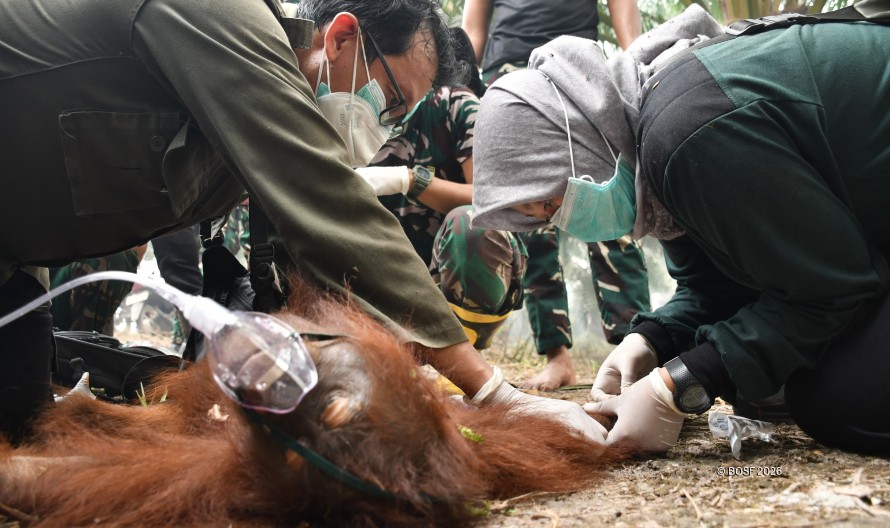
When forest fires strike, orangutans face a deadly fight for survival. Trapped atop a burning tree in Central Kalimantan, baby orangutan Novita was rescued through a joint emergency effort by BKSDA, BOS Foundation, TNI AD, and local residents.
