


RESCUING ROSE, FOUND IN A WEAKENED STATE
When habitat changes force sun bears into human settlements, swift rescue efforts are vital. Meet Rose, a young sun bear rescued in a weakened state, now receiving intensive care at Samboja Lestari.


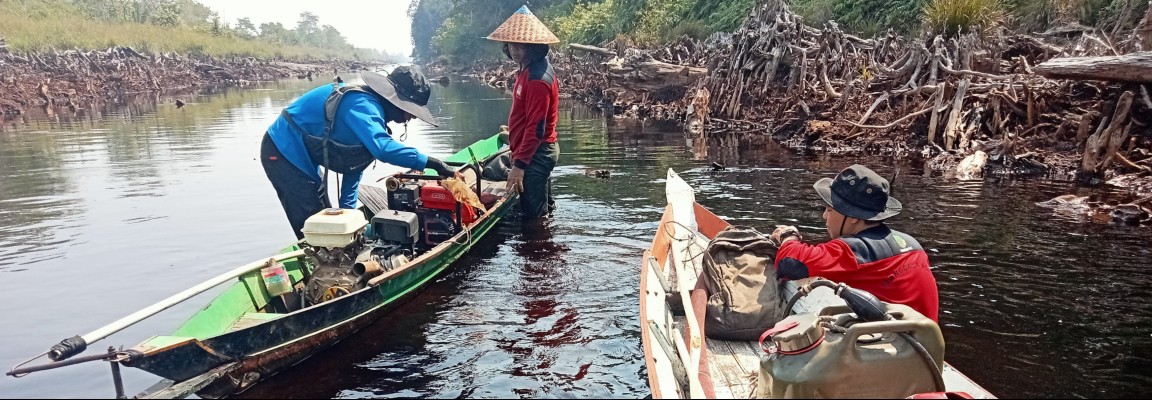
The impacts of the dry season are becoming increasingly evident across Central Kalimantan. Rivers that provide essential water for communities and ecosystems are receding, while increasingly dry peatlands are heightening the risk of forest and land fires.
The Indonesian Agency for Meteorology, Climatology and Geophysics (BMKG) has forecast that most of Central Kalimantan will reach the peak of its dry season in August 2026. In some areas, rain-free conditions have persisted for several weeks, while rainfall during early August remained low. These conditions increase the vulnerability of forests and peatlands to drought and fire.
For the BOS Foundation, these conditions are a serious concern. Parts of the Foundation’s areas of work are located within peatland ecosystems that depend heavily on water availability. As water levels decline and canals begin to dry out, peatlands become increasingly vulnerable to fire.
Naturally waterlogged peat is relatively difficult to burn. However, prolonged dry conditions and drainage can lower the water table, leaving the peat increasingly dry and highly flammable.
Peat fires also behave differently from conventional vegetation fires. Fire can spread and smoulder beneath the ground surface, making it difficult to detect and extinguish, while generating large amounts of smoke. Peat fires can also release significant amounts of carbon and damage the ecological and hydrological functions of the landscape.
Maintaining water availability is therefore a critical part of fire prevention. BOS Foundation teams continue to monitor canals, reservoirs, bore wells, and other water sources to ensure adequate water availability and to maintain firefighting readiness if needed.
The effects of the dry season are also becoming increasingly evident around orangutan pre-release islands.
At several locations, river levels that normally form a natural boundary between the islands and the mainland have fallen to around ankle depth. This makes these natural boundaries easier to cross.
For orangutans undergoing rehabilitation and being prepared for an independent life in the wild, leaving their designated areas can expose them to increased risks, including encounters with humans, conflict, and other threats.
In response, BOS Foundation teams have increased zone monitoring around the islands to help ensure that orangutans remain within safe areas and to monitor day-to-day changes in river conditions.
This situation highlights that the impacts of a prolonged dry season on orangutan conservation do not necessarily come in the form of fire alone. Changes in environmental conditions can create new risks that require conservation teams to adapt how they manage and monitor wildlife.
Meanwhile, smoke from fires in surrounding areas of Central Kalimantan has begun to reach the vicinity of the BOS Foundation’s Nyaru Menteng Orangutan Rehabilitation Centre.
To date, Nyaru Menteng has not been directly affected by fire, and no orangutans have had to be evacuated due to forest and land fires. However, exposure to smoke is becoming a concern, as prolonged deterioration in air quality could affect the health of both orangutans and staff.
So far, no cases of acute respiratory infection (ARI) have been reported among orangutans at the rehabilitation centre. The Nyaru Menteng team continues to monitor the orangutans' health and provide daily updates on conditions at the site.
Air quality in Palangka Raya is also reflecting the impact of fires in surrounding areas. At 11:00 a.m. local time on 18 August 2026, BMKG recorded a PM2.5 concentration of 166.4 µg/m³ in Palangka Raya, classified as very unhealthy.
Although the fires have not directly affected the rehabilitation center at this time, the situation continues to be closely monitored. Changes in wind direction, an increase in hotspots, or shifts in weather conditions can affect air quality and fire risk within a relatively short period of time.
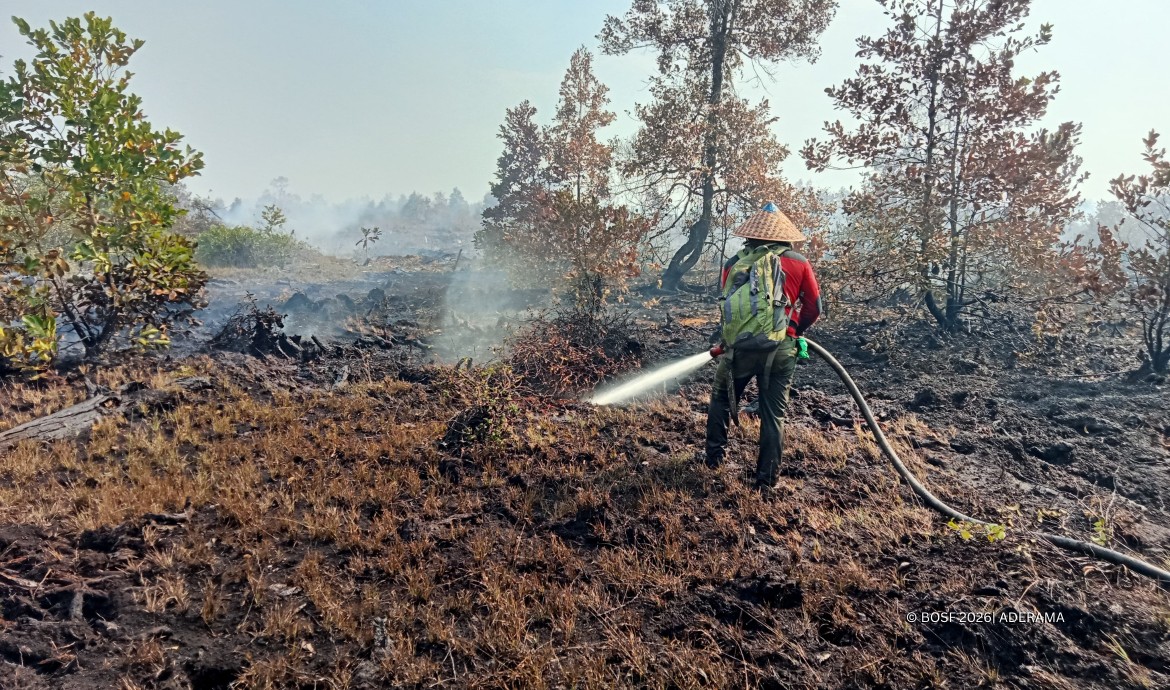
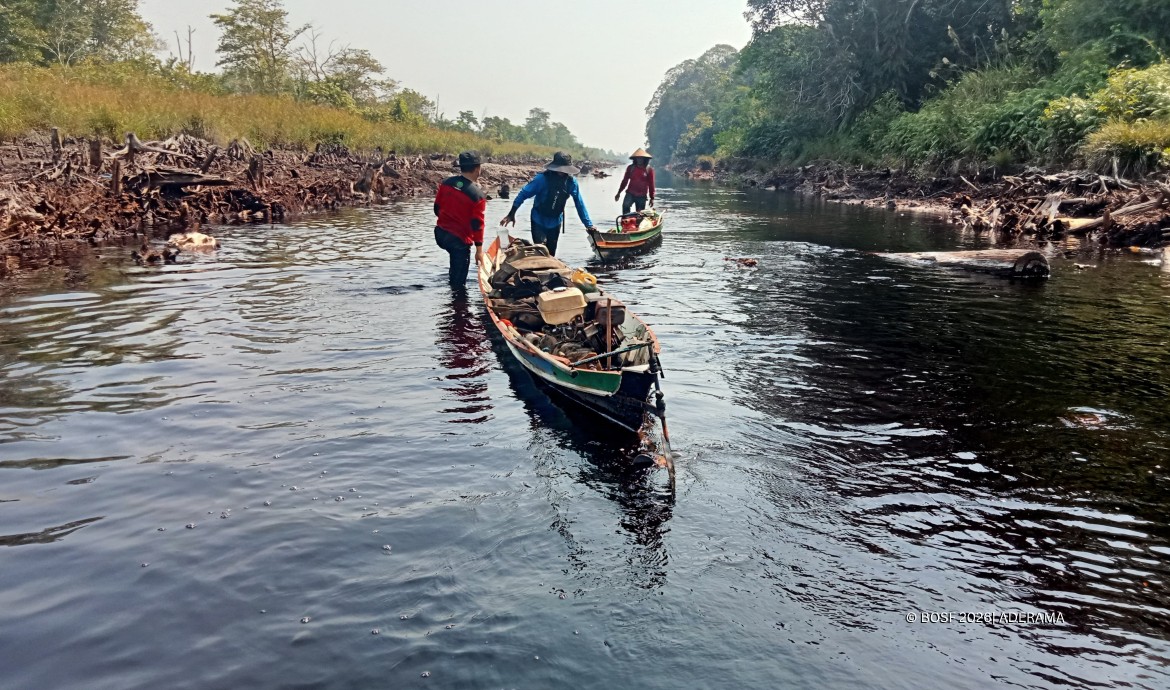
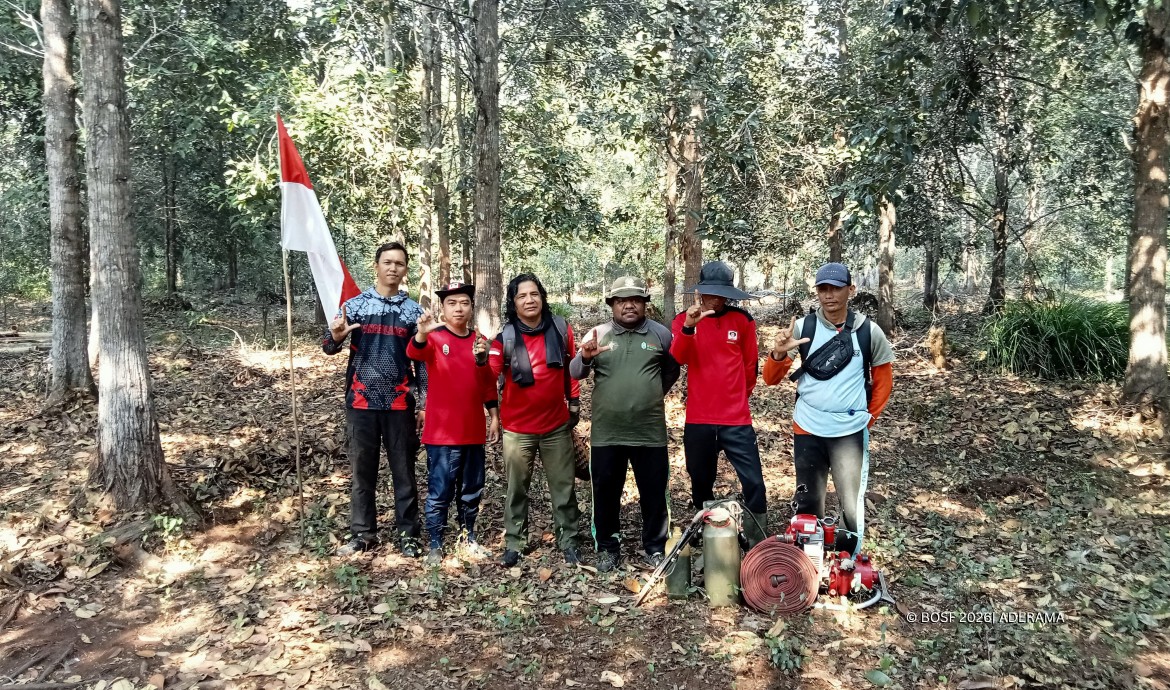
The threat is no longer merely potential.
In the Mawas Conservation Area, one of the BOS Foundation’s areas of work in Central Kalimantan, fires have already affected approximately 48 hectares of peat swamp forest, according to the latest monitoring by field teams.
Mawas is an important landscape for orangutan conservation. When fire occurs in peatland ecosystems, its impacts can last far longer than the fire itself.
The loss of vegetation means the loss of food and shelter for wildlife, while damage to peatlands can disrupt the landscape’s hydrological functions and increase its vulnerability to future fires.
Fires can also force orangutans out of their natural habitat and increase the likelihood that they move closer to areas of human activity. In extreme circumstances, habitat destruction can increase the need for wildlife rescue and intervention.
Read more:
As conditions become increasingly dry, BOS Foundation teams are not waiting for fire to reach rehabilitation facilities.
At Nyaru Menteng, the Fire Response Task Force conducts daily patrols along the site boundaries, including inspections to ensure firebreaks remain in good condition and ready to serve as a barrier should a fire occur. Hotspot monitoring is also conducted daily using satellite data and field information, allowing potential threats to be detected and addressed as early as possible.
BOS Foundation’s preparedness system uses a tiered risk approach, ranging from normal conditions to emergency situations. The level of response is determined by indicators such as the emergence of hotspots around the site, the distance of fire activity from BOS Foundation areas, the presence of smoke, prolonged dry conditions, and any confirmed fire directly threatening BOS Foundation sites.
Under low-risk conditions, teams conduct routine monitoring and equipment checks. As risk increases, patrols and hotspot monitoring intensify, and resource readiness is reassessed. If active hotspots are detected near the site or smoke becomes visible, fire response teams are placed on standby, and firefighting resources are positioned for immediate deployment. If a confirmed fire threatens a BOS Foundation site, emergency response mechanisms and external coordination are activated.
This tiered approach enables teams to act before a situation develops into an emergency.
In addition to patrols and monitoring, supporting infrastructure is regularly inspected, including pumps, firefighting equipment, bore wells, reservoirs, canals, and access routes to water sources. At some locations, accessibility improvements are ongoing to ensure that personnel and equipment can be mobilized quickly when needed.
Coordination with local communities and stakeholders is also an important part of fire preparedness. Early detection and rapid response depend on the ability of different parties to share information and act before a fire spreads.
The BOS Foundation’s experience responding to the devastating 2015 fires remains a key foundation for its current fire preparedness system.
At the time, fires exacerbated by the El Niño phenomenon destroyed 266 hectares of reforested land at Samboja Lestari and affected approximately 15,442 hectares of natural orangutan habitat in the Mawas landscape. The fires also disrupted conservation operations, including the closure of the Forest School at Nyaru Menteng due to hazardous air quality.
The BOS Foundation also conducted rescue operations for orangutans displaced by habitat destruction and fires. The experience demonstrated that once a fire escalates into a crisis, its impacts can extend far beyond the area directly affected by flames.
The most important lesson from that experience is clear: preparedness cannot be built once a crisis has already begun.
Current conditions remind us that the fire season is not over. Receding rivers, increasingly dry peatlands, smoke beginning to reach surrounding areas, and fires already affecting Mawas show that the risk is already a reality on the ground.
For the BOS Foundation, protecting orangutans means more than caring for them in rehabilitation centers. It also means protecting the forests where they will eventually return and ensuring that these habitats remain available and safe.
Every day without a major fire is an opportunity to prevent much greater damage.
As long as there is still time to prevent fires from spreading, preparedness must begin now.


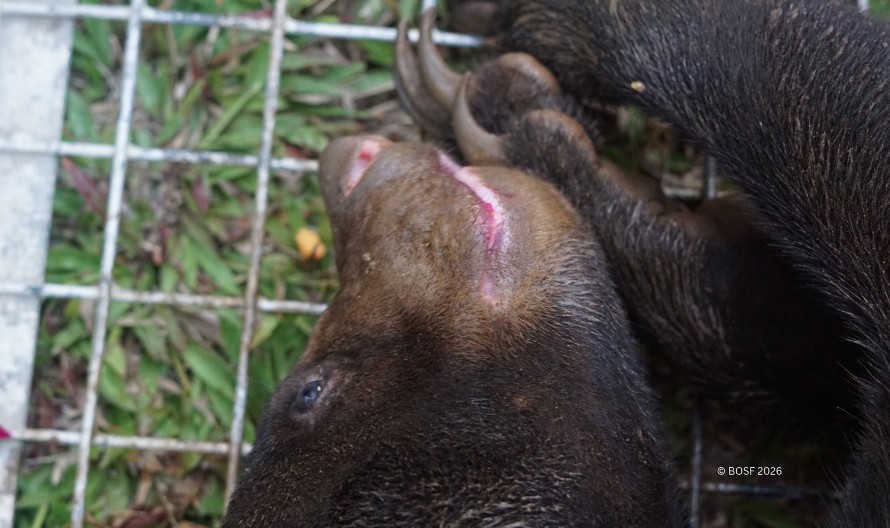
When habitat changes force sun bears into human settlements, swift rescue efforts are vital. Meet Rose, a young sun bear rescued in a weakened state, now receiving intensive care at Samboja Lestari.
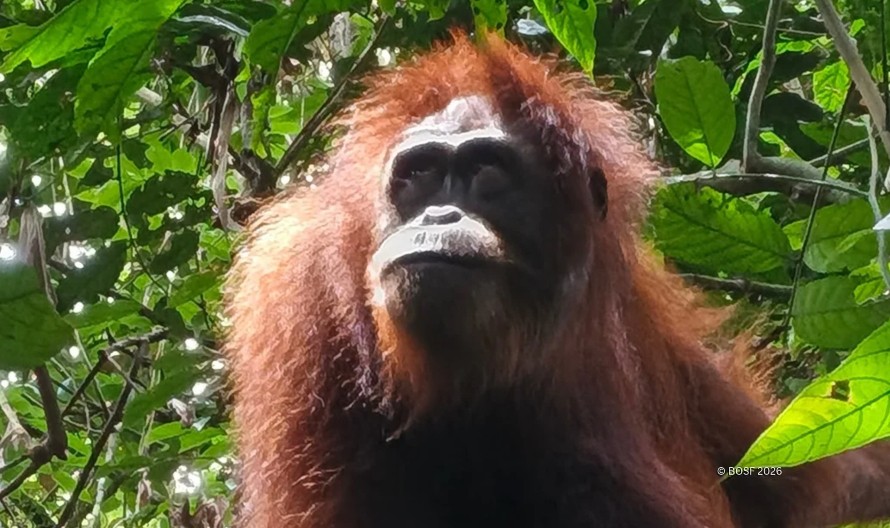
Post-release monitoring allows us to observe orangutans in the wild. Recent sightings of Meryl and Lykke in TNBBBR show both female orangutans actively foraging and displaying excellent nest-building skills.
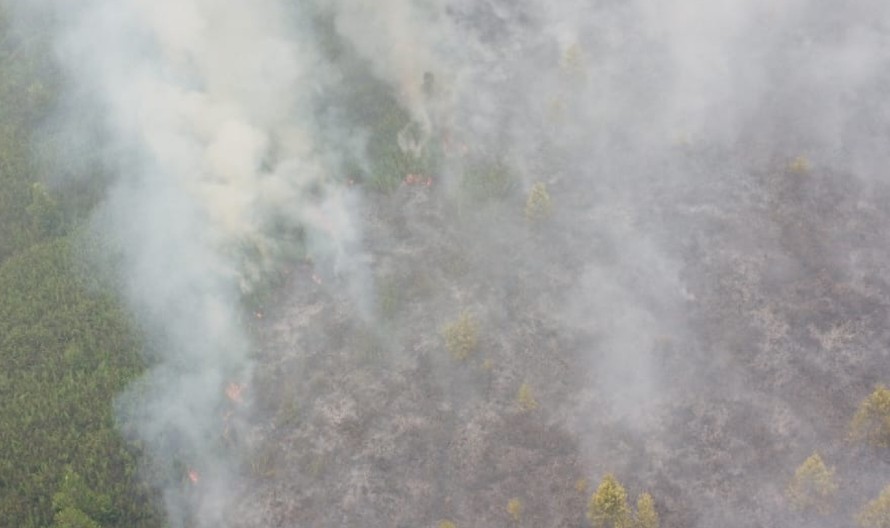
Forest fires create a hidden crisis for wildlife. Beyond destroying habitats, smoke exposure threatens orangutans' health, restricts food and water, and violates core animal welfare principles across Kalimantan's ecosystems.
